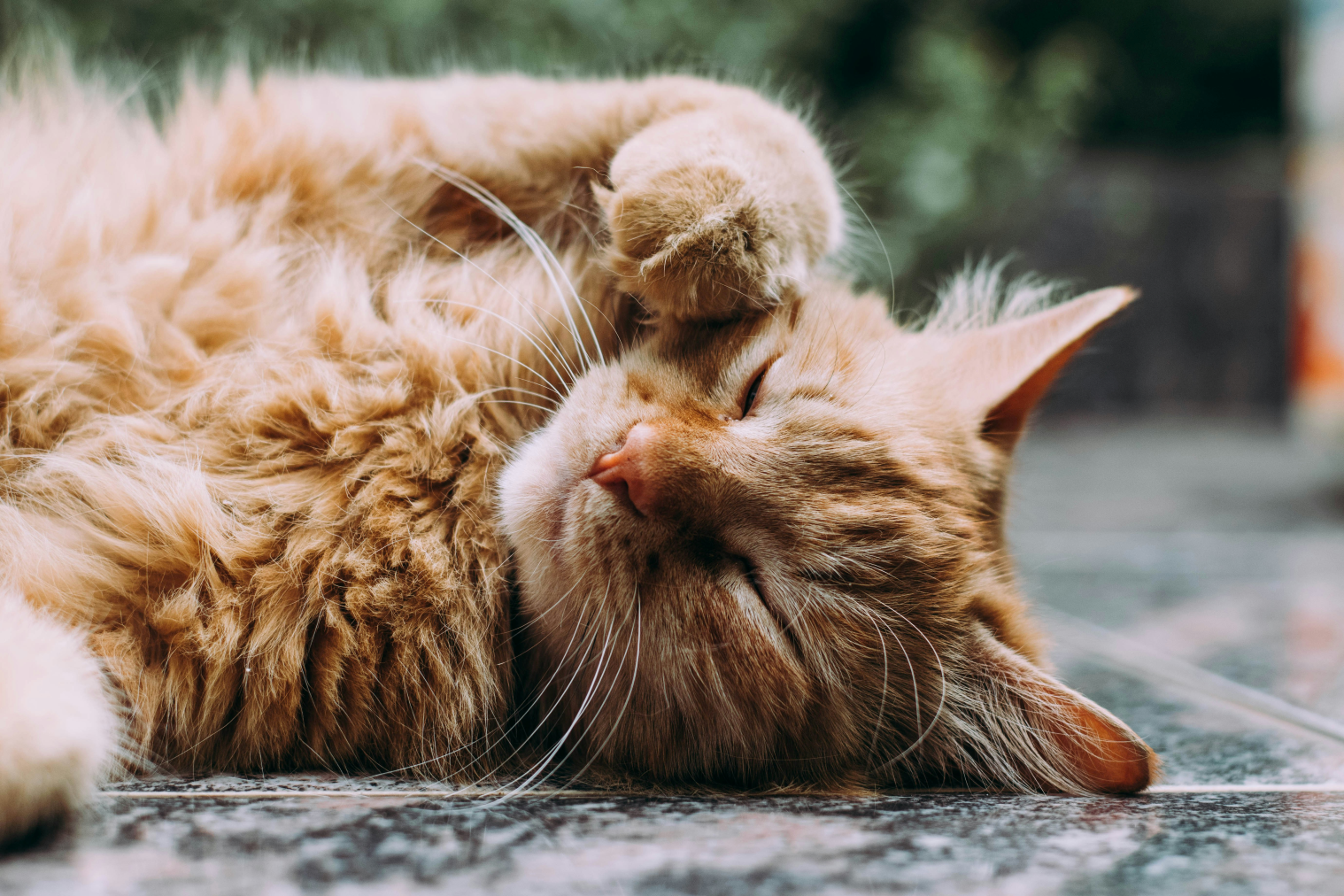
Photo by Ludemeula Fernandes on Unsplash.
Cats face a unique set of winter health risks, including urinary tract disease, upper respiratory infections, indoor weight gain, and heating hazards. A few targeted changes to their diet, environment, and daily routine make a significant difference to their health across the colder months.
Winter transforms your cat into a heat-seeking creature of habit — sleeping longer, moving less, and drinking even less water than usual. These instincts are natural, but without a little guidance, they can quietly create health problems that don't become obvious until spring.
Do cats drink less water in winter — and why does it matter?
Yes, and it's the most important winter health risk for cats. Cats evolved as desert animals with a naturally low thirst drive. Cold water in a cold house is even less appealing, and chronic mild dehydration in winter is a leading trigger for feline lower urinary tract disease (FLUTD) — a painful condition that includes bladder inflammation and, in male cats, potentially fatal urinary blockages.
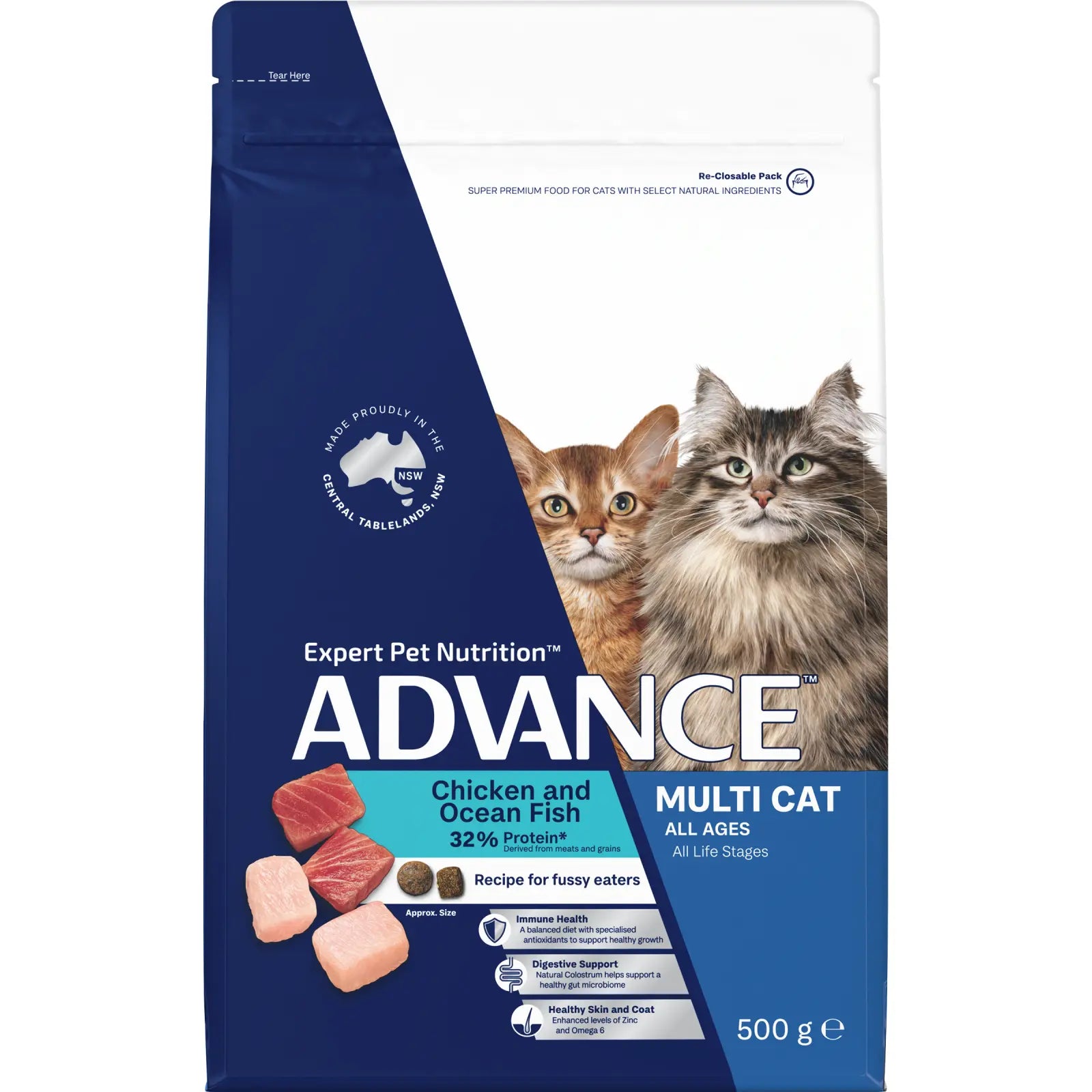
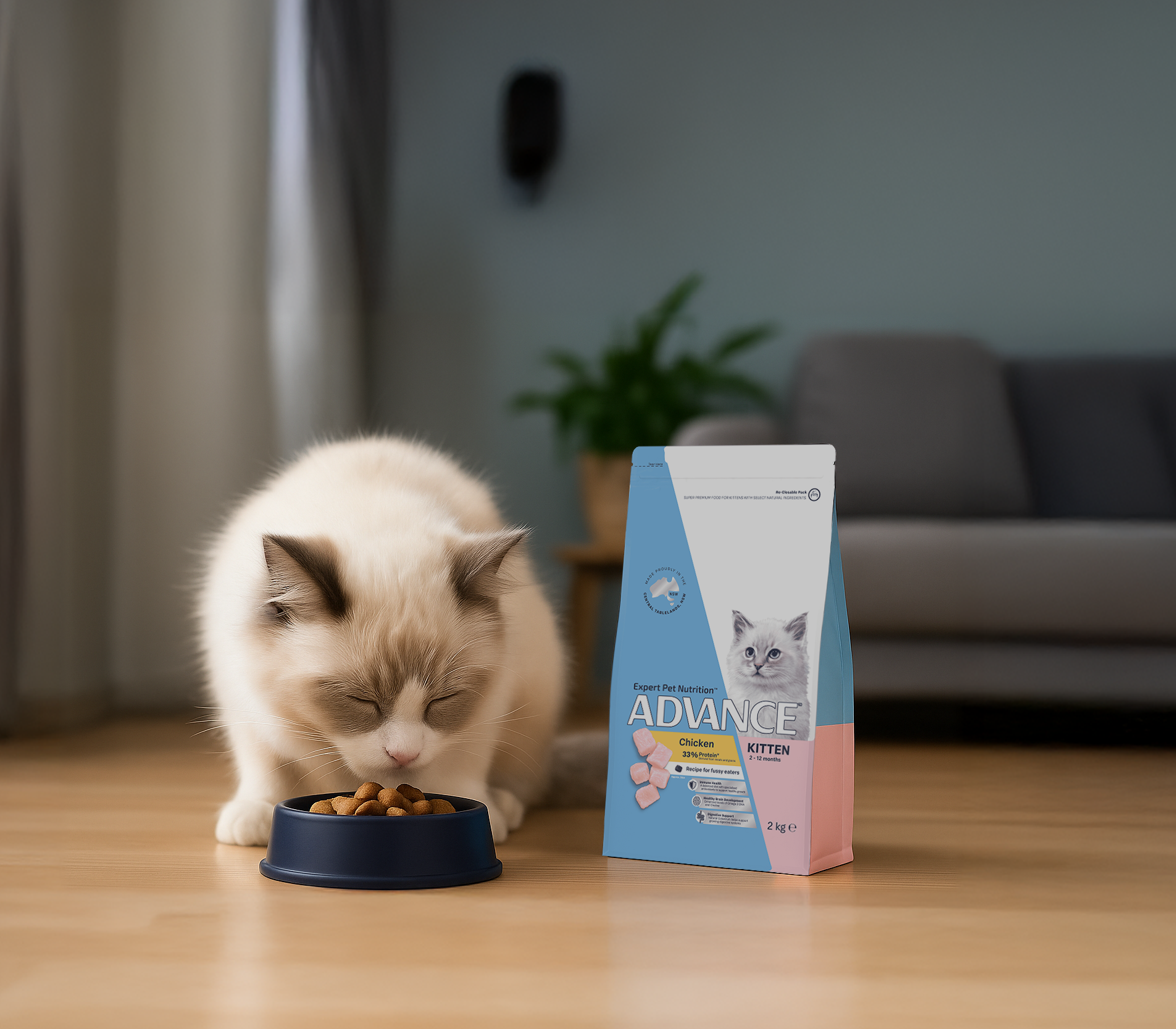
The most effective fix is simple: increase wet food in the diet. ADVANCE™ adult cat wet food contains around 75–80% moisture and provides complete nutrition alongside meaningful hydration in every serve. You can also offer slightly warmed water, use a cat water fountain, and place water bowls away from the food bowl (cats instinctively avoid drinking near their food).
Can Cats Get Cat Flu in Winter?
Yes, winter is peak season for feline upper respiratory infections. Cold weather brings two conditions that make outbreaks more common: stress from disrupted routines, and closer contact between cats sharing indoor spaces. Signs include sneezing, eye discharge, nasal congestion, and lethargy.
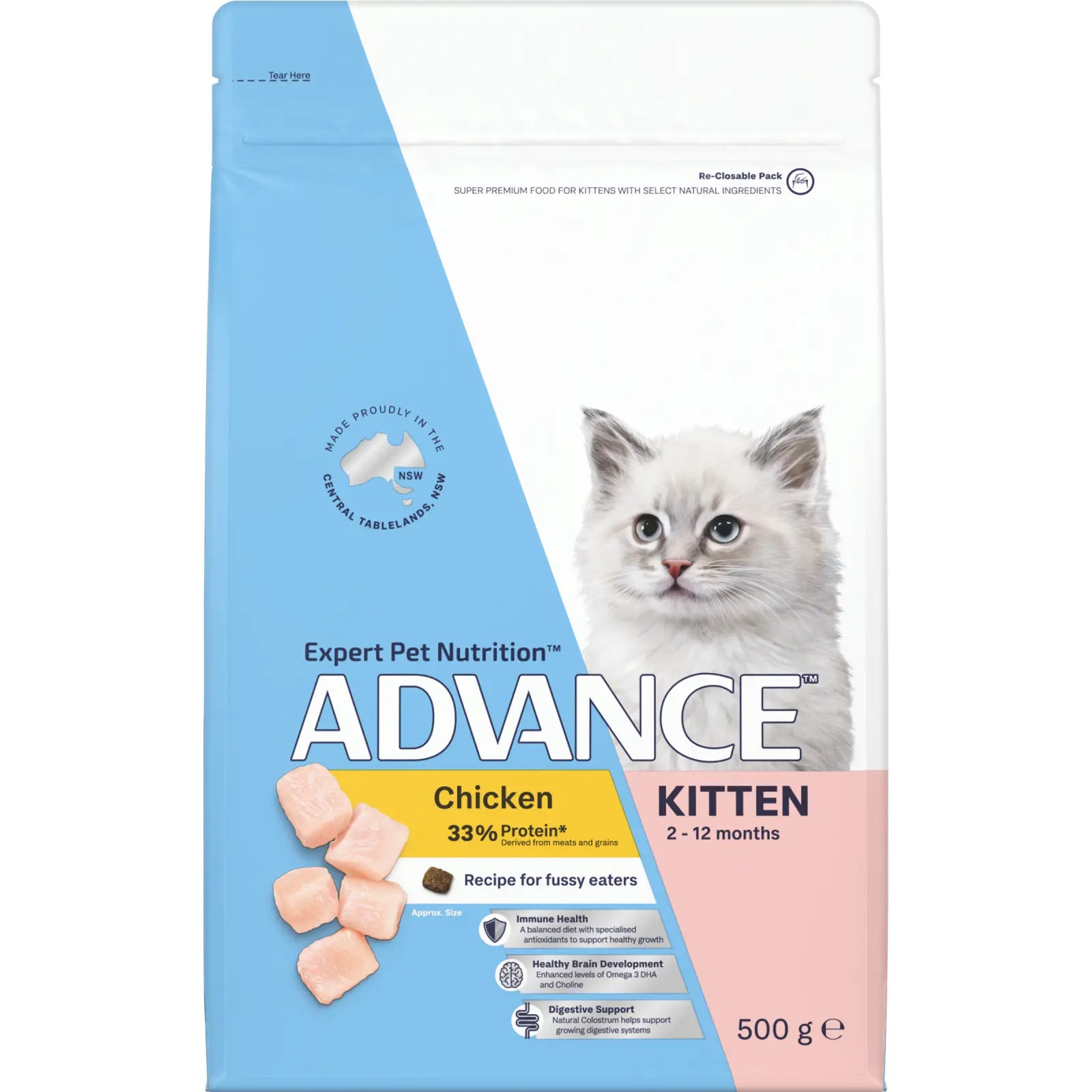
Vaccination is your first line of defence. The core F3 vaccine covers the primary cat flu viruses and should be current before winter. ADVANCE™ cat food recipes are formulated with Vitamins C and E to support immune function and help your cat resist infection.
Will my cat gain weight in winter?
Indoor cats are highly susceptible to winter weight gain. Appetite increases slightly in the cold while activity drops sharply — a combination that creates a quiet caloric surplus over two to three months. The problem is compounded by winter coats, which mask weight changes visually.
Feel, don't just look. Run your hands along your cat's sides — ribs should be easy to feel but not prominently visible. If your cat is less active this winter, a modest portion reduction is appropriate. ADVANCE™ Healthy Weight recipes provide lower-calorie, high-fibre nutrition that keeps cats satisfied without the caloric excess that drives seasonal weight gain.
How do I keep my cat safe around heaters?
Heating hazards are a genuine winter risk that's easy to underestimate. Cats have reduced skin temperature sensitivity on their undersides, meaning they can sustain contact burns from surfaces that don't feel dangerously hot to us.
Key precautions:
- Open fireplaces: Always use a fireguard — cats will sit as close as physically possible
- Electric blankets: Use pet-safe models with automatic thermal cutoffs only
- Portable heaters: Check that surfaces your cat habitually rests against aren't hot enough to cause prolonged contact burns
Stovetops: Cats seek residual warmth after cooking — ensure burners are fully cool before leaving them unsupervised
Should I let my cat outside in winter?
Winter is the right time to reassess outdoor access, particularly at night. Cats shelter in wheel arches and under bonnets for warmth. Knock on the bonnet before starting your car in cold weather.
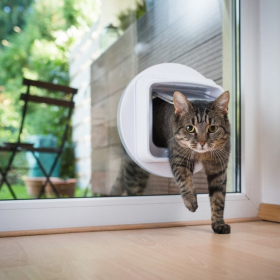
For cats who resist staying in, a dusk curfew with a cat flap for daytime access is a practical compromise.
How do I keep an indoor cat active in winter?
Cats need intentional stimulation in winter — they won't self-motivate enough to stay healthy. Two to three play sessions of five to ten minutes each day maintains muscle tone and mental sharpness. Wand toys and feather teasers engage hunting instincts far more effectively than passive toys left on the floor.
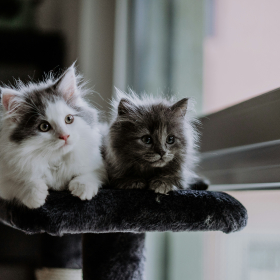
A tall cat tree near a sunny window gives your cat thermally appealing vertical space — warm air rises, and height provides comfort and security.
Frequently Asked Questions: Cats in Winter
Why does my cat drink less in winter?
Cold water in a cold environment is even less appealing for a species already predisposed to low thirst drive. Offer warmed water, use a fountain, and increase wet food to protect against urinary tract disease.
Can cold weather make my cat sick?
Not directly — but it creates conditions that raise risk. Stress, reduced immunity, and closer indoor contact make cat flu more common. Keep vaccinations current and support immune health through complete nutrition.
Why does my cat get more hairballs in winter?
A denser winter coat means more grooming and more fur ingested. Regular brushing reduces intake. ADVANCE™ Hairball recipes increase dietary fibre to help move ingested fur through the digestive tract efficiently.