Photo by Jamie Street on Unsplash
Winter brings cold mornings, shorter days, and a noticeable shift in your dog's routine. While dogs are generally resilient in cooler weather, the season places real demands on their body and a little preparation goes a long way toward keeping them healthy, comfortable, and happy.
Do dogs need more food in winter?
Not every dog needs more food in winter, but many do. Whether your dog needs a feeding adjustment depends on their activity level, age, and how much time they spend outdoors.
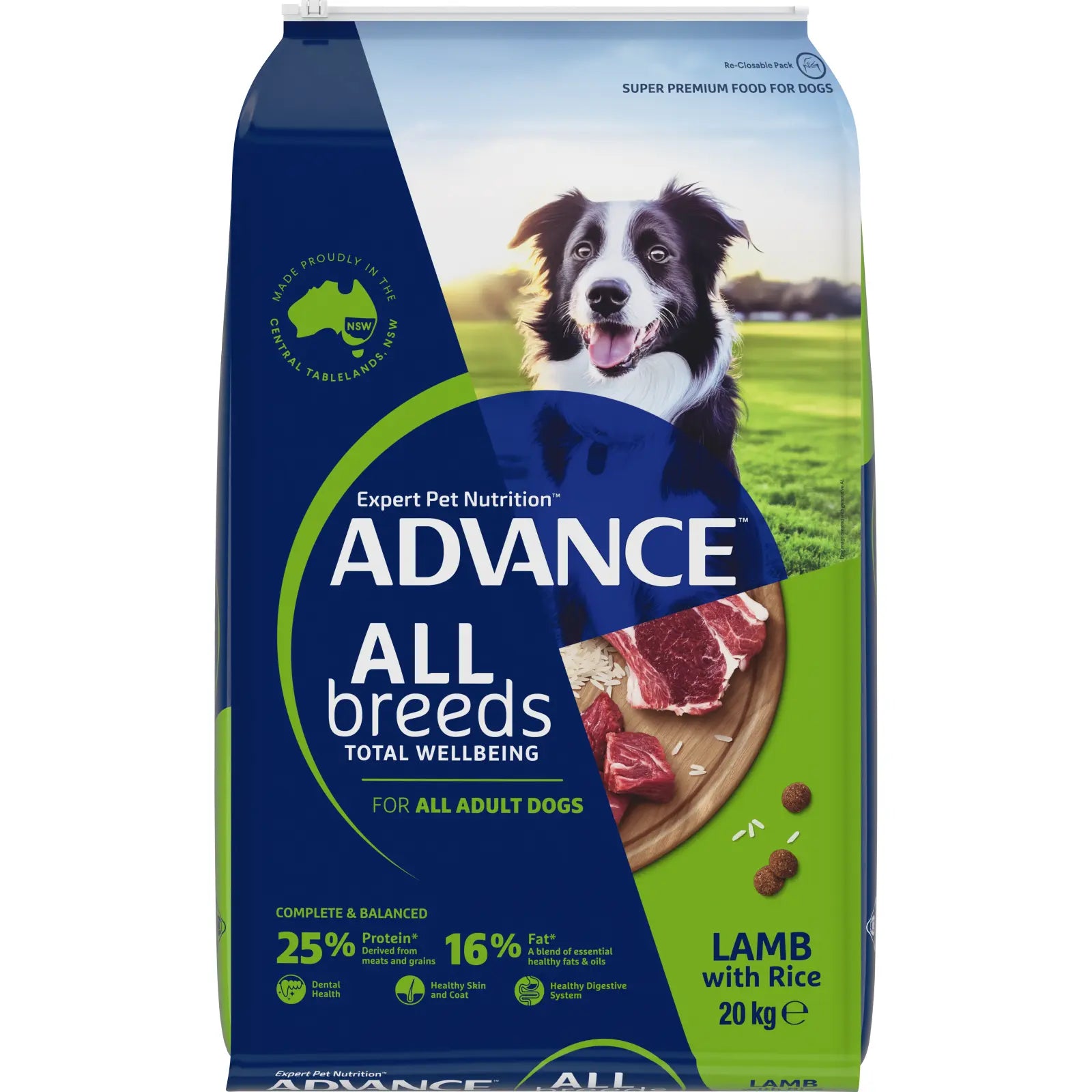
Highly active dogs, working dogs, and breeds that spend significant time outdoors will often burn more calories keeping warm and maintaining performance. A nutrient-dense food with quality animal protein and healthy fats is essential to meet that demand. ADVANCE™ Active Adult All Breed dry food is formulated to support exactly this kind of sustained energy output.
For dogs who are less active in winter, caloric needs may decrease. Monitoring your dog's body condition score (running your hands along their sides: ribs should be easy to feel but not prominently visible) is the most reliable way to stay on top of any seasonal weight changes and adjust portions accordingly.
What should I feed my dog in winter? Key ingredients to look for
Two nutrients make the biggest difference to your dog's health and comfort in cold weather:
Omega fatty acids
Found in ingredients like fish and sunflower oil, omega-3 and omega-6 fatty acids support skin barrier function and coat quality — your dog's first line of defence against the cold and the drying effects of indoor heating.
Protein
Protein remains the cornerstone of your pet's diet year-round. High-quality animal protein from sources like chicken, turkey, and lamb supports muscle maintenance, coat quality and overall wellbeing. A glossy, dense coat isn't just aesthetically pleasing; it's one of your pet's primary defences against the cold.
How do I keep my dog warm in winter?
Even thick-coated dogs feel the cold, particularly at night or in wet and windy conditions. A few simple adjustments make a big difference:
Should my dog sleep on an elevated bed in winter?
Yes. Elevated beds or thick orthopaedic mattresses insulate your dog from cold floors. Position beds away from draughts and doorways. For senior dogs or those with arthritis, warmth is especially important — cold stiffens joints and can significantly worsen discomfort.
Does my dog need a winter coat?
Short-coated breeds (Greyhounds, Whippets, Boxers, Dalmatians), small dogs, puppies, seniors, and recently clipped dogs often benefit from a well-fitted jacket during walks. If your dog shivers, hesitates at the door, or seeks warmth immediately after coming inside, a coat is worth trying.
How should I set up an outdoor kennel for winter?
Working and farm dogs need a fully weatherproof kennel elevated off the ground, sized so their body heat can warm the space. Straw bedding retains heat better than blankets, which can become damp and cold overnight.
Should I still exercise my dog in winter?
Yes, your dog still needs regular exercise in winter, and the risks of cutting it back are real. Reduced activity leads to weight gain, boredom, and behavioural changes that can persist long after the cold passes.
Stick to your regular walk schedule where possible, even if sessions are shorter on the coldest days. Before high-intensity activity (a run, fetch, or agility session), allow a few minutes of gentle warm-up movement — cold muscles and joints are more susceptible to strain.
After walks, check and rinse your dog's paws. Cold, wet ground can cause paw pad cracking and irritation. Dog boots are a practical option for dogs who walk on treated surfaces regularly.
On days when outdoor time is limited, indoor enrichment fills the gap. Puzzle feeders, snuffle mats, scent games, and short training sessions provide essential mental stimulation.
What health issues should I watch for in dogs during winter?
Joint stiffness and arthritis
Winter is the season to pay closer attention to your dog's joints. If you notice stiffness in the morning, reluctance to climb stairs, or a drop in enthusiasm for walks, cold-aggravated joint pain may be the cause — particularly in older dogs and larger breeds. ADVANCE™ pet food offers recipes enriched with glucosamine and chondroitin to support joint cartilage health and mobility through every season. If signs of discomfort are new or worsening, a vet visit is always the right call — early intervention leads to better outcomes.
Coat and parasite care
Keep grooming regular year-round. Long coats mat more easily in winter, and grooming is your opportunity to check the skin for dryness, lumps, or parasites. Fleas and ticks remain active year-round in many parts of Australia — don't skip prevention.
Ready for winter
A warm bed, the right nutrition, consistent exercise, and a watchful eye on their health are the foundation of a great winter for your dog. ADVANCE™ pet food is here to support every part of it, with recipes developed by Australian veterinary nutritionists to meet your dog's real needs in every season.
Frequently Asked Questions: Dogs in Winter
Do dogs get cold in winter?
Yes, dogs feel the cold — even breeds with thick coats. Cold weather is felt most acutely at night, in wet or windy conditions, and by dogs who are older, very young, or short-coated. Signs your dog is too cold include shivering, reluctance to go outside, and seeking warmth immediately after coming indoors.
How do I know if my dog needs more food in winter?
Monitor your dog's body condition score monthly. Run your hands along their sides — ribs should be easy to feel with light pressure but not visibly prominent. Active and outdoor dogs typically need more calories in winter; less active indoor dogs may need fewer. Speak to your vet if you're unsure.
What nutrients support dogs in cold weather?
Omega-3 and omega-6 fatty acids (from fish and sunflower oil) support skin and coat health in the dry winter months. Quality animal protein (chicken, turkey, lamb) maintains muscle mass and overall wellbeing. Glucosamine and chondroitin support joint mobility — especially important when cold weather stiffens joints.
Should I put a coat on my dog in winter?
It depends on your dog's breed, age, and coat type. Short-coated breeds, small dogs, puppies, seniors, and recently clipped dogs generally benefit from a well-fitted winter jacket during walks. If your dog shivers or seems reluctant to go outside in the cold, a coat is a practical solution worth trying.
How can I exercise my dog when it's too cold to go outside?
Indoor enrichment is highly effective. Puzzle feeders, snuffle mats, hide-and-seek scent games, and short training sessions all provide mental and physical stimulation. Even 10–15 minutes of structured indoor activity helps maintain your dog's wellbeing on days when outdoor exercise isn't possible.
Can dogs get arthritis in winter?
Cold weather doesn't cause arthritis, but it can worsen existing joint pain and stiffness. Dogs with arthritis or joint conditions may move more slowly, be reluctant to climb stairs, or seem less enthusiastic about walks in winter. A diet enriched with glucosamine and chondroitin, warmth, and vet guidance can significantly improve their comfort.
Do dogs still need flea and tick prevention in winter?
Yes. In many parts of Australia, fleas and ticks remain active year-round. Winter is not a safe window to pause prevention. Maintain your regular parasite prevention schedule and check your dog's coat during grooming sessions.