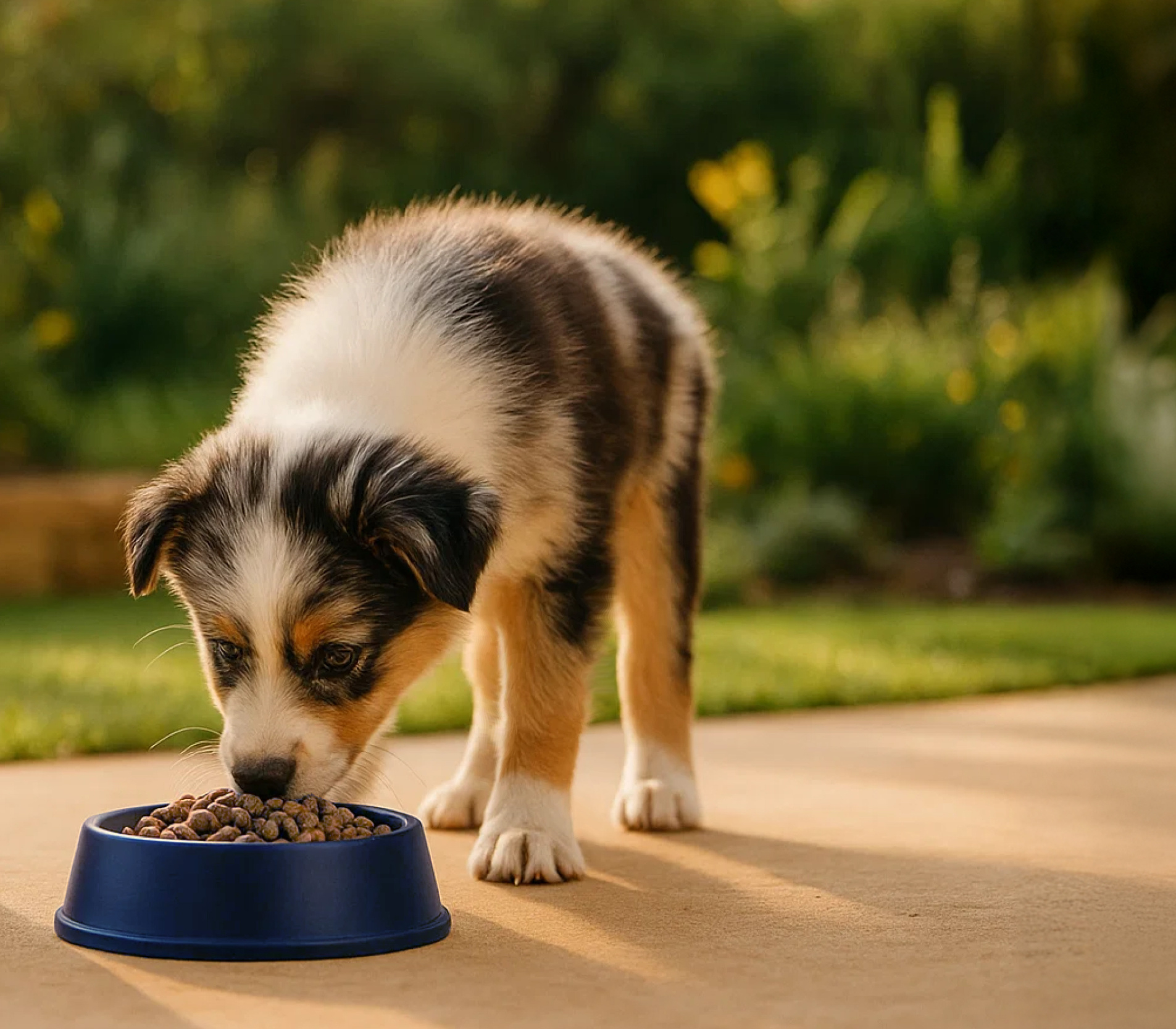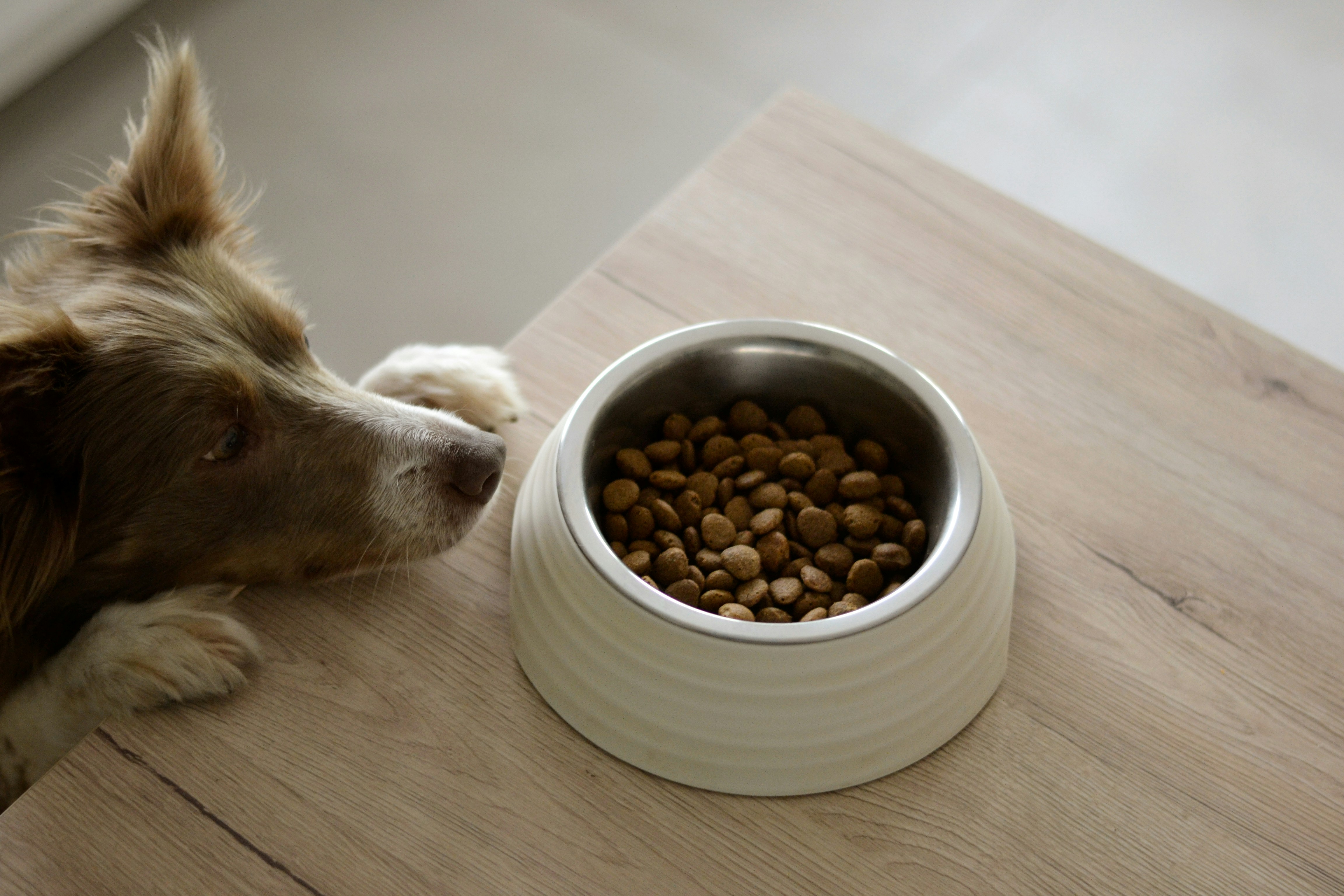
The Cup Conundrum: Why "One Cup" Isn't One Cup
Here's something most dog owners don't realise: the cup you use to measure your dog's kibble could be making their portions 30% larger or smaller than intended — without you knowing.
A standard metric cup holds 250 ml, and for ADVANCE™ dry dog food, that's 115 grams of kibble. But a large coffee mug, a takeaway container, or a scooped cereal bowl can all look like "about a cup" — and none of them are. This single measurement gap is one of the most common reasons dogs end up overfed or underfed, even when owners are following the guide carefully.
Why Dry Food? What Kibble Does That Other Formats Can't
Dry dog food (kibble) is the most widely fed format in Australia, and for good reasons that go beyond convenience.
The mechanical action of chewing kibble helps reduce plaque and tartar build-up on your dog's teeth, which is a meaningful contribution to long-term oral health. Dry food is also calorie-dense, which means accurate measuring matters more here than it does with wet food — and it's why having a dedicated cup measure (the right kind) is worth the thirty seconds it takes to find one.
ADVANCE™ dry dog food is formulated to AAFCO nutritional standards and backed by 60+ years of petcare science through the Waltham Petcare Science Institute — every cup contains a nutritionally complete and balanced meal for your dog’s life stage, made with high-quality ingredients.
How Much Dry Dog Food Should I Feed My Puppy Per Day?
The short answer: it depends on your puppy's predicted adult weight and their current age in months. Most healthy adult dogs need around 15–25 grams of dry food per kilogram of body weight per day — but puppies have markedly higher energy needs relative to their size, and those needs shift with every passing month.
The ADVANCE™ puppy dry dog food feeding guide below uses cups per day as the primary measure — with grams available for those who prefer to weigh. The one conversion you need: 1 standard metric cup (250 ml) = 115 grams of ADVANCE™ dry dog food.
ADVANCE™ Dry Dog Food Feeding Chart:
Find your puppy's predicted adult weight in the left column, then read across to their current age in months.
Small Breed Dry Dog Food
| Predicted Adult Weight | 2 months | 4 months | 6 months | 10 months | 12+ months |
|---|---|---|---|---|---|
| 2 - 2.5 kg | 1⁄3 cup | 1⁄3 - 1⁄2 cup | 1⁄2 cup | Adult : 1⁄2 cup | Adult : 1⁄2 cup |
| 4 - 5 kg | 1⁄2 - 2⁄3 cup | 3⁄4 cup | 3⁄4 cup | Adult : 2⁄3 - 3⁄4 cup | Adult : 2⁄3 - 3⁄4 cup |
| 6 - 8 kg | 3⁄4 - 1 cup | 1 - 11⁄3 cups | 1 - 11⁄2 cups | 1 - 11⁄3 cups | Adult : 1 - 1⁄4 cups |
| 10 kg | 1 - 11⁄4 cup | 11⁄2 - 12⁄3 cups | 12⁄3 cups | 12⁄3 cups | Adult : 1 - 11⁄3 cup |
| 15 kg | 11⁄2 cups | 2 - 21⁄4 cups | 21⁄4 cups | 2 - 21⁄4 cups | Adult : 12⁄3 - 13⁄4 cups |
Medium Breed Dry Dog Food
| Predicted Adult Weight | 2 months | 4 months | 6 months | 9 months | 12 months | 18 months | 21+ months |
|---|---|---|---|---|---|---|---|
| 10 kg | 1 - 11⁄4 cup | 11⁄2 - 12⁄3 cups | 12⁄3 cups | 12⁄3 cups | Adult : 1 - 11⁄3 cup | Adult : 1 - 11⁄3 cup | Adult : 1 - 11⁄3 cup |
| 15 kg | 11⁄2 cups | 2 - 21⁄4 cups | 21⁄4 cups | 2 - 21⁄4 cups | Adult: 12⁄3 - 13⁄4 cups | Adult: 12⁄3 - 13⁄4 cups | Adult: 12⁄3 - 13⁄4 cups |
| 20 kg | 2 cups | 22⁄3 - 23⁄4 cups | 23⁄4 cups | 22⁄3 - 23⁄4 cups | Adult : 2 - 21⁄4 cups | Adult : 2 - 21⁄4 cups | Adult : 2 - 21⁄4 cups |
| 25 kg | 2 - 21⁄4 cups | 3 - 31⁄4 cups | 31⁄4 - 31⁄3 cups | 31⁄4 - 31⁄3 cups | 31⁄4 cups | Adult : 21⁄4 - 23⁄4 cups | Adult : 21⁄4 - 23⁄4 cups |
| 30 kg | 21⁄2 - 21⁄3 cups | 31⁄2 - 32⁄3 cups | 33⁄4 cups | 33⁄4 cups | 32⁄3 - 33⁄4 cups | Adult : 22⁄3 - 3 cups | Adult : 22⁄3 - 3 cups |
| 35 kg | 22⁄3 - 23⁄4 cups | 4 cups | 4 - 41⁄4 cups | 4 - 41⁄4 cups | 4 - 41⁄4 cups | Adult : 3 - 31⁄2 cups | Adult : 3 - 31⁄2 cups |
Large Breed Dry Dog Food
| Predicted Adult Weight | 2 months | 3 months | 4 months | 6 months | 9 months | 12 months | 18 months | 21+ months |
|---|---|---|---|---|---|---|---|---|
| 25 kg | 21⁄4 cups | 3 cups | 31⁄4 - 31⁄3 cups | 31⁄3 - 31⁄2 cups | 31⁄3 - 31⁄2 cups | 31⁄3 - 31⁄2 cups | Adult : 21⁄2 - 23⁄4 cups | Adult : 21⁄2 - 23⁄4 cups |
| 35 kg | 23⁄4 - 3 cups | 33⁄4 cups | 4 - 41⁄4 cups | 41⁄3 - 41⁄2 cups | 41⁄3 - 41⁄2 cups | 41⁄3 cups | Adult : 3 - 31⁄4 cups | Adult : 3 - 31⁄4 cups |
| 45 kg | 3 cups | 4 cups | 42⁄3 - 43⁄4 cups | 51⁄3 cups | 51⁄3 - 51⁄2 cups | 51⁄3 cups | 5 cups | Adult : 33⁄4 - 4 cups |
| 55 kg | 31⁄3 cups | 41⁄2 - 43⁄4 cups | 51⁄2 cups | 6 - 61⁄4 cups | 6 - 61⁄3 cups | 6 - 61⁄4 cups | 53⁄4 - 6 cups | Adult: 41⁄3 - 42⁄3 cups |
| 65 kg | 33⁄4 cups | 51⁄4 - 51⁄3 cups | 6 - 61⁄3 cups | 7 cups | 7 - 71⁄4 cups | 7 cups | 61⁄2 - 63⁄4 cups | Adult: 5 - 51⁄2 cups |
| 70 kg | 4 cups | 51⁄2 - 52⁄3 cups | 61⁄2 - 62⁄3 cups | 71⁄3 - 71⁄2 cups | 71⁄2 cups | 71⁄3 - 71⁄2 cups | 7 cups | Adult: 51⁄2 - 6 cups |
Measurement note: All cup measurements use a standard Australian metric cup (250 ml). For ADVANCE™ dry dog food, 1 cup = 115 grams.
"Adult" means your puppy is ready to move to the ADVANCE™ adult dry dog food guide. Ask your vet if you're unsure about timing.
Feeding guidelines vary between products. The amounts shown here are a general guide only — refer to the packaging for the exact recommended daily amount for your dog's weight and life stage.
Mixing dry and wet food? Simply halve the recommended daily quantity of each. If your puppy's guide says 11⁄2 cups of dry food per day, feed 3⁄4 of a cup of dry food plus the half-portion equivalent of ADVANCE™ wet food.
Grams vs. Cups: Which Should You Use?
Both work. But grams are more precise, and precision matters when portions are small — like the 1⁄3 cup a day that a tiny 2 kg adult-weight puppy needs at 2 months. At that scale, a slightly generous scoop can represent a 20–30% overfeeding.
If you want to work in grams, multiply the cup amount by 115. Here are the conversions for quick reference:
- 1⁄3 cup = approximately 38 g
- 1⁄2 cup = approximately 58 g
- 3⁄4 cup = approximately 86 g
- 1 cup = 115 g
- 11⁄3 cups = approximately 153 g
- 11⁄2 cups = approximately 173 g
- 12⁄3 cups = approximately 192 g
- 2 cups = 230 g
- 21⁄4 cups = approximately 259 g
A kitchen scale is the most reliable tool for feeding accuracy — especially for small and toy breeds where small portion errors have a proportionally larger impact.
How "Predicted Adult Weight" Works — And Why It's the Key Variable
The feeding chart uses predicted adult weight, not your puppy's current weight. This is intentional, and it's one of the most important things to understand about puppy nutrition.
Why? Because the nutrition a puppy needs isn't just about how big they are today — it's about how much growing they still have left to do. A 3 kg puppy destined to become a 15 kg adult needs dramatically different daily energy input than a 3 kg puppy who will top out at 4 kg.
Your breeder is usually your best source for predicting adult weight — they know the size of the parents and the natural range for the breed. Your vet can also help you estimate this at your puppy's first health check.
Activity Level Matters Too: How to Adjust for Your Dog's Lifestyle
The feeding chart above is a starting point — a calibrated baseline built on the science of average puppy energy needs. But dogs, like people, vary. An active working breed burns more energy than a lap dog who mostly naps. A puppy who goes on two walks a day and plays in the yard needs more fuel than one with a sedentary lifestyle.
As a general guide:
Less active or indoor dogs: Start at the lower end of the range for your weight category, or reduce by approximately 10–15% and monitor body condition.
Moderately active dogs: The chart amounts are your baseline — they're calibrated for typical activity.
Highly active or working dogs: You may need to increase portions by 10–20% above the chart amount. Monitor weight and energy levels weekly and adjust accordingly.
The most reliable indicator isn't a number — it's your dog's body. You should be able to feel your dog's ribs without pressing hard, but not see them from across the room. A visible waist when viewed from above is a healthy sign.
Meal Frequency: How Often to Feed Your Puppy Dry Food
Daily portion and feeding frequency both matter – especially for puppies who have small stomachs and need their daily allowance broken into multiple smaller meals.
8 weeks to 3 months: 3–4 meals per day. Puppies this young are still developing their digestive systems, and smaller, more frequent meals reduce the risk of hypoglycaemia (especially in small breeds) and digestive upset.
3 to 6 months: 3 meals per day. Growth is rapid at this stage and consistent energy throughout the day helps fuel it.
6 months onwards: 2 meals per day — typically morning and evening. Most puppies transition comfortably to this rhythm and maintain it into adulthood.
Adult dogs: 2 meals per day is the standard recommendation for most sizes and breeds. A consistent feeding schedule also helps with toilet training — predictable meals lead to predictable bathroom habits, which is a welcome bonus for new puppy owners.
5 Signs Your Dry Feeding Portions Are Right
Numbers are a starting point. Your dog's body gives you the final answer. Here's what good nutrition looks like from the outside:
Ribs that are felt but not seen. A healthy dog has a thin layer of fat over the ribs — enough to require gentle pressure to feel them, but not so much that they're buried. If you have to press hard, your dog may be carrying excess weight.
A visible waist. Looking down at your dog from above, there should be a clear narrowing between the rib cage and the hips. No waist is a red flag for overfeeding.
Consistent, healthy energy. A well-nourished puppy is playful and alert. Lethargy without an obvious cause, or hyperactivity that seems calorie-driven, may both signal a portion adjustment is needed.
A coat that shines. Dry, dull, or flaky coats can signal either underfeeding or nutritional imbalance. ADVANCE™ dry food includes essential fatty acids to support skin and coat health from the inside out.
Regular, firm stools. Loose stools or excessive quantity can indicate either overfeeding or that a food isn't agreeing with your dog's digestive system.
If something looks off after two weeks on the current portion, adjust by 10% and monitor for another two weeks before changing again.
When Is Your Puppy Ready for Adult Dry Food?
The "Adult" marker in the feeding chart signals that your puppy has reached the point where their growth phase is essentially complete — and their nutritional needs have shifted from a growth-focused formula to an adult maintenance formula. But this transition point isn't the same for every dog.
Small breeds (predicted adult weight under 6 kg) typically mature between 9 and 12 months. Medium breeds (up to 15 kg) generally complete their growth phase by 12 months. Larger breeds take longer — and if your dog's predicted adult weight is beyond the 15 kg range covered by this guide, they may not be ready for adult food until 15–18 months or later.
The reason puppy and adult formulas are different isn't arbitrary. Puppy dry food is specifically calibrated with higher protein levels, targeted calcium and phosphorus ratios to support healthy bone development, and elevated energy density to meet the demands of rapid growth. Switching to adult food too early means your puppy misses the nutritional scaffolding that supports everything they're still building — from bone density to immune function.
When the time comes, don't switch abruptly. A gradual transition over 7–10 days — mixing increasing amounts of adult food with decreasing amounts of puppy food — gives your dog's digestive system time to adapt.
Transitioning to ADVANCE™ Dry Dog Food: The 7-to-10-Day Rule
Whether you're switching from a different brand, moving from wet food to dry, or transitioning from puppy to adult formulas, the golden rule is the same: go gradually.
Introduce the new food by blending a small amount into the current food on day one — roughly 20–25% new to 75–80% old. Increase the new food's proportion every 2 days until the changeover is complete by day 7–10. This approach gives your puppy's gut microbiome time to adjust to the new ingredients, minimising digestive disruption.
If you notice loose stools or reduced appetite during the transition, slow the pace — extend the process to 14 days instead. Every dog adapts at a slightly different rate.
Also Feeding Wet Food?
Dry and wet food work hand in hand — but when you add wet food to the mix, the portions of both need to shift. Get the full picture in the ADVANCE™ Wet Dog Food Feeding Guide, with a complete cans-per-day chart from puppyhood through to adulthood, plus mixing instructions so every bowl is exactly right.
Frequently Asked Questions
How many cups of dry dog food should I feed my puppy per day?
It depends on their predicted adult weight and current age. A puppy with a 2 kg predicted adult weight at 2 months needs just 1⁄3 of a cup per day, while one growing to 15 kg needs 11⁄2 cups cups at the same age. Use the ADVANCE™ dry feeding chart above, and remember: 1 standard metric cup = 115 grams.
What is 1 cup of dry dog food in grams?
For ADVANCE™ dry dog food, 1 standard Australian metric cup (250 ml) equals 115 grams. Note that this conversion is specific to ADVANCE™ dry food — kibble density varies between brands and formulas, so always check the packaging for the specific product you're using.
Can I mix ADVANCE™ dry and wet food for my puppy?
Yes — many dogs do very well on a combination. Simply halve the recommended daily quantities of each. So if your dog’s dry food guide says 11⁄2 cups per day, feed 3⁄4 of a cup of dry food plus the equivalent half-portion of ADVANCE™ wet food.
How often should I feed my puppy dry food per day?
For puppies under 3 months, 3–4 meals per day is ideal. From 3–6 months, feed 3 times per day. From 6 months onwards, twice a day is the standard. Consistent meal times also help with toilet training.
How do I know if I'm feeding my puppy the right amount of dry food?
The best indicator is body condition, not the scale alone. Feel your puppy's ribs (you should feel them easily but not see them), check for a visible waist from above, and monitor energy levels and coat condition. If all three look good, your portions are working.
When should my puppy switch from puppy to adult dry food?
This depends on predicted adult size. Small breeds (under 6 kg) typically switch at 9–12 months. Larger breeds covered by this guide (up to 15 kg) generally transition at 12 months. Always transition gradually over 7–10 days rather than switching all at once.