Photo by Melissa Keizer on Unsplash
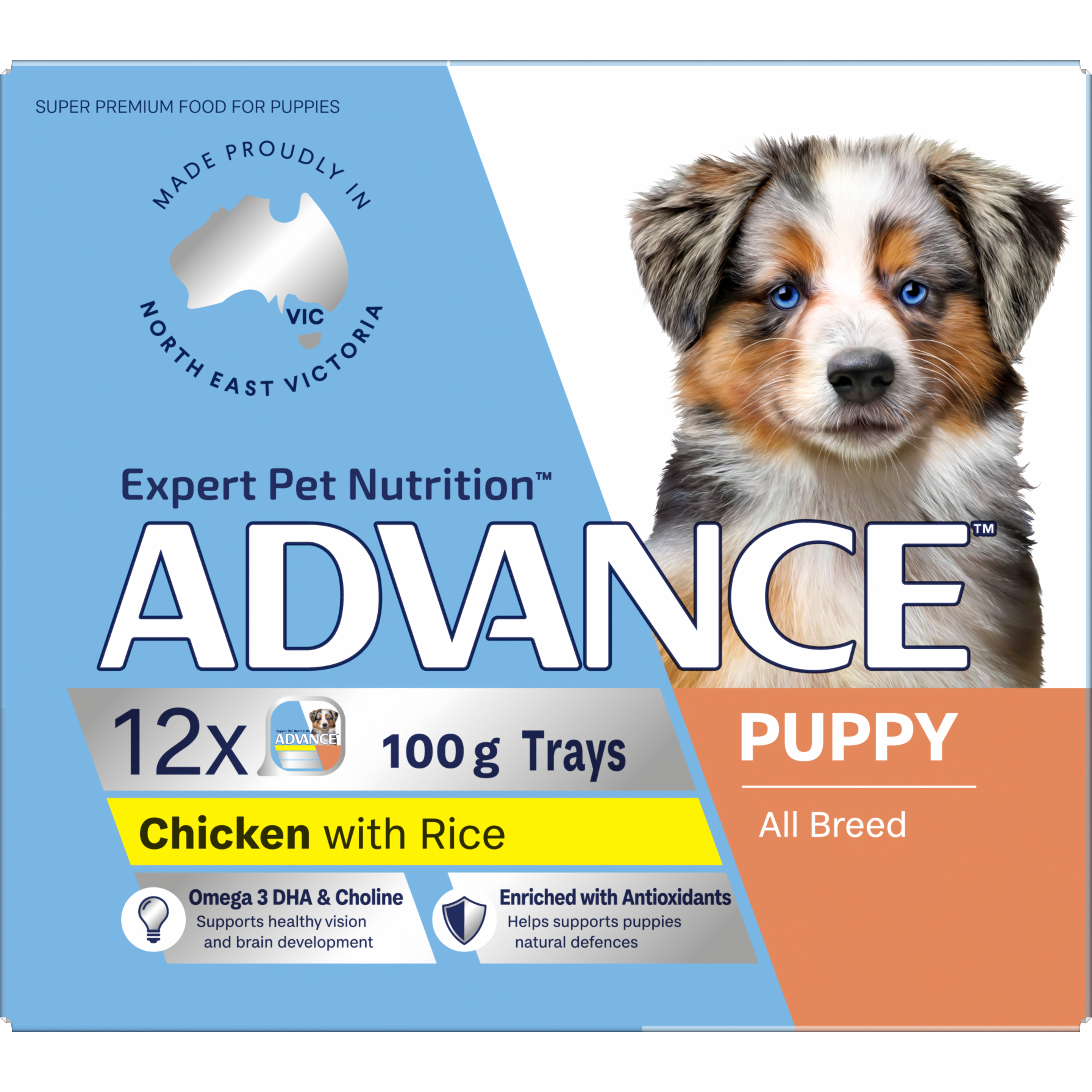
Feeding your puppy ADVANCE™
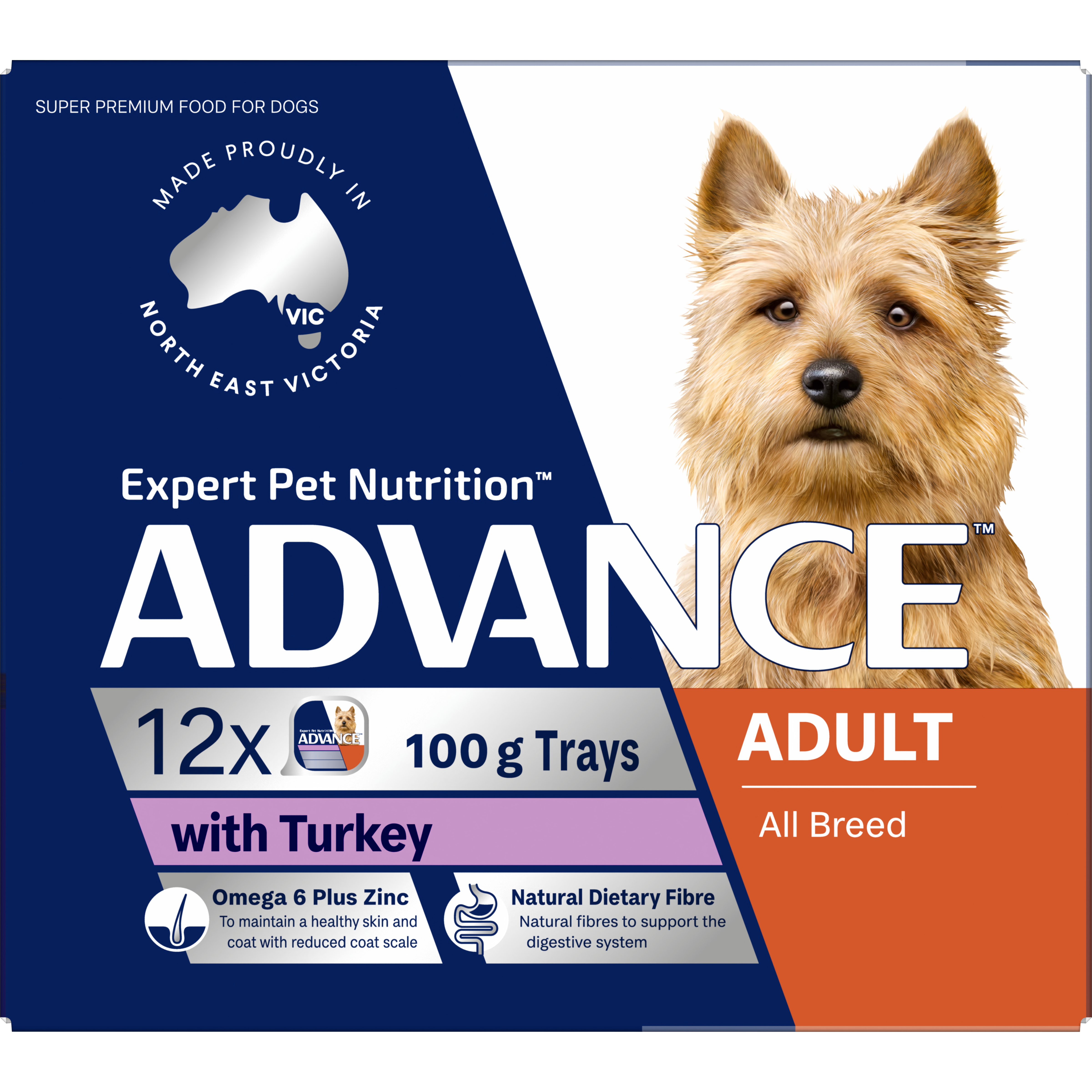
ADVANCE™ is a range of super premium foods for dogs for all different lifestages, lifestyles and special needs.
All ADVANCE™ products in both dry and wet formats are made here in Australia and offer excellent digestibility, proven through non invasive feeding studies.
The recipes all deliver guaranteed palatability and contain no artificial colours.
As additional proof of our confidence in the performance of our products, all the ADVANCE™ range offers an unconditional 100 per cent money-back guarantee.
From birth to about 3 or 4 weeks of age, mothers' milk should satisfy your puppy's nutritional needs. After this time, puppies start taking an interest in solid foods. These need to be highly palatable, easy to eat and contain appropriate levels of high quality nutrients to ensure optimal development rates.
ADVANCE™ offers a range of innovative growth products suitable for puppies of all breeds from weaning to maturity. All products are complete and balanced and have carefully controlled calcium to phosphorus ratios for proper bone and teeth development. There is no need to use any supplements - indeed this could be harmful. If you are thinking of using a supplement, you should consult your vet first.
After leaving its mother and moving into your home, or even during a change in diet, your puppy may develop an upset stomach or diarrhoea. If diarrhoea develops and persists for more than 24 hours, or becomes severe, consult your vet immediately. If you are changing to feeding ADVANCE™, introduce the diet gradually over about 4 days.
The feeding routine for your puppy will depend on age, breeds and individual characteristics but, until they are about 4 months of age you should divide your puppy's recommended daily feed amount into 4 meals fed during the day. This can be reduced 3 meals per day up to 6 months of age. After this time it can be offered 2 meals per day until maturity.
Your Puppy's Health
Taking your puppy to the vet for regular checks is an important part of ensuring they have good ongoing health. Your vet will undertake thorough health checks and look for common problems and signs of any other potential health problems. By having a good schedule with your vet you are assured peace of mind. It's just the same with making sure you have your car serviced regularly- taking your puppy to the vet for a check-up will ensure your puppy is in top condition.
When you are at the vet they will generally provide good advice on:
- dental health
- keeping nails short
- coat care
- looking after their paws
- exercise
- ongoing worm treatment and vaccination
- or any other issues that concern you.
Your puppy will probably have received regular worming treatment before leaving the breeder, and perhaps the first of a series of vaccinations to protect it from potentially fatal diseases. Make sure you obtain a copy of your puppy's vaccination certificate and worming routine and take this with you when you visit your vet. It will help you both keep track of where you are with these important health tasks and if necessary rectify any vaccinations that may need to be done.
If your pup has not been vaccinated, it's important to get it done as soon as possible to ensure your puppy is not susceptible to any disease risk that may be present. Keeping current with vaccinations will help to avoid your puppy contracting any major infections.
The most important thing to remember is if you are ever unsure about anything to do with your puppy's health, contact your veterinarian. They will usually be more than happy to discuss any of your concerns and can often help to lay your mind to rest.