This guide walks you through the behavioural changes, the recovery period, and the nutritional adjustments that help your dog thrive after desexing.
Image by noelle on Unsplash
Key Takeaways
- Dog desexing can reduce roaming, marking, and mounting behaviours, though individual temperament and learned habits still play a role.
- Desexing lowers metabolic rate while often increasing appetite, creating a real risk of weight gain if the diet isn’t adjusted.
- Most dogs recover within 10–14 days, with female spaying typically requiring a slightly longer recovery than male castration.
- Gradual calorie adjustment and regular body condition checks are the most effective tools for long-term weight management after desexing.
Behaviour Changes After Desexing
One of the most common questions owners ask is: does desexing calm a male dog, or does desexing calm a female dog? The honest answer is that desexing can reduce certain hormone-driven behaviours, but it’s not a personality reset. Understanding what’s typical helps set realistic expectations.
Behaviour changes in male dogs
For male dogs, reduced roaming, marking, and mounting behaviours are common after desexing. The drop in testosterone lessens the drive to seek out females in heat and assert territory. However, if a dog has been marking or roaming for years, those can be deeply learned habits that persist beyond the procedure.
So does desexing stop dogs marking? Often yes — or at least it reduces the frequency — but well-established habits may take consistent training to unlearn.
Behaviour changes in female dogs
Female dog behaviour after desexing typically includes the end of heat cycles and associated restlessness, vocalisation, and attractant behaviours. Owners often notice a calmer, more settled demeanour once the hormonal fluctuations of the heat cycle are removed.
So will desexing calm my dog? For many dogs, yes — but it’s important to remember that a calm temperament comes from breeding, socialisation, and training too, not from desexing alone.
Does desexing reduce aggression in dogs?
This is one of the most nuanced questions. Desexing can reduce certain types of aggression linked to reproductive hormones — particularly inter-male aggression or aggression related to competition for mates. However, fear-based aggression, resource guarding, and aggression rooted in anxiety are not hormone-driven and won’t necessarily change. Male dog behaviour after desexing may show reduced territorial and dominance-related reactivity, but a comprehensive behaviour plan is still the best approach for aggression concerns.
Behaviour Changes Comparison: Male vs Female Dogs After Desexing
| Behaviour | Male dogs | Female dogs |
| Roaming | Often reduced | Reduced (no heat-cycle-driven wandering) |
| Marking | Often reduced (if not deeply habitual) | Minimal change (less territorial marking overall) |
| Mounting | Often reduced | May reduce occasional mounting |
| Heat-related behaviours | N/A | Eliminated entirely |
| Hormone-linked aggression | May reduce | May reduce |
Pros and Cons of Desexing Your Dog
A balanced view helps you make an informed decision rather than only hearing the positives. Here’s what the evidence supports.
Health benefits
Desexing reduces the risk of certain reproductive cancers and infections in both sexes. For females, it eliminates the risk of pyometra (a serious uterine infection) and significantly reduces the risk of mammary tumours when performed before the first heat. Learn more in our guide on what to know about dogs in heat.
For males, it eliminates testicular cancer and reduces prostate issues. Health benefits of desexing range from reduced incidence of certain cancers to extended lifespan, according to the Waltham Petcare Science Institute.
Behavioural benefits
Reduced roaming, marking, and heat-related behaviours — as covered above. These can make everyday life calmer and safer, especially for dogs that would otherwise wander.
Considerations
A slower metabolism and increased appetite are common after dog desexing, making weight management an ongoing consideration. This is one of the most important things to understand about dog desexing — the metabolic shift is real, but it’s manageable. Neutered dog weight gain is one of the most frequently reported post-procedure challenges, but it’s entirely manageable with the right feeding approach.
Check out our guide on 7 tips to avoid pet obesity.
Timing matters
The age at which a dog is desexed can influence both health and behavioural outcomes. For large and giant breeds, some vets recommend waiting until skeletal maturity is reached, as early desexing may affect joint development. This is a conversation worth having with your vet — there’s no single right answer for every dog.
Learn more about your dog’s general health in our guide for dog nutrition, care and wellbeing.
Nutrition and Weight Management After Desexing
This is the core nutritional angle: desexing dogs lowers metabolic rate while often increasing appetite, creating a real risk of weight gain if the diet isn’t adjusted. It’s the single most important nutritional change you’ll make after the procedure — and it’s easier than it sounds.
Metabolic changes
Reduced reproductive hormone production lowers metabolic rate, meaning fewer calories are needed to maintain the same weight. Research suggests a neutered dog may require roughly 20–30% fewer calories than an intact dog of the same size — though the exact figure depends on breed, age, and activity level. This is why a neutered dog diet needs to be deliberately adjusted, not left as-is.
Appetite changes
Many dogs show a noticeable increase in appetite within days of the procedure, independent of the metabolic slowdown. This combination — fewer calories needed, but more hunger felt — is what makes neutered dog weight gain so common. The good news? It’s entirely preventable with portion management.
Calorie adjustment
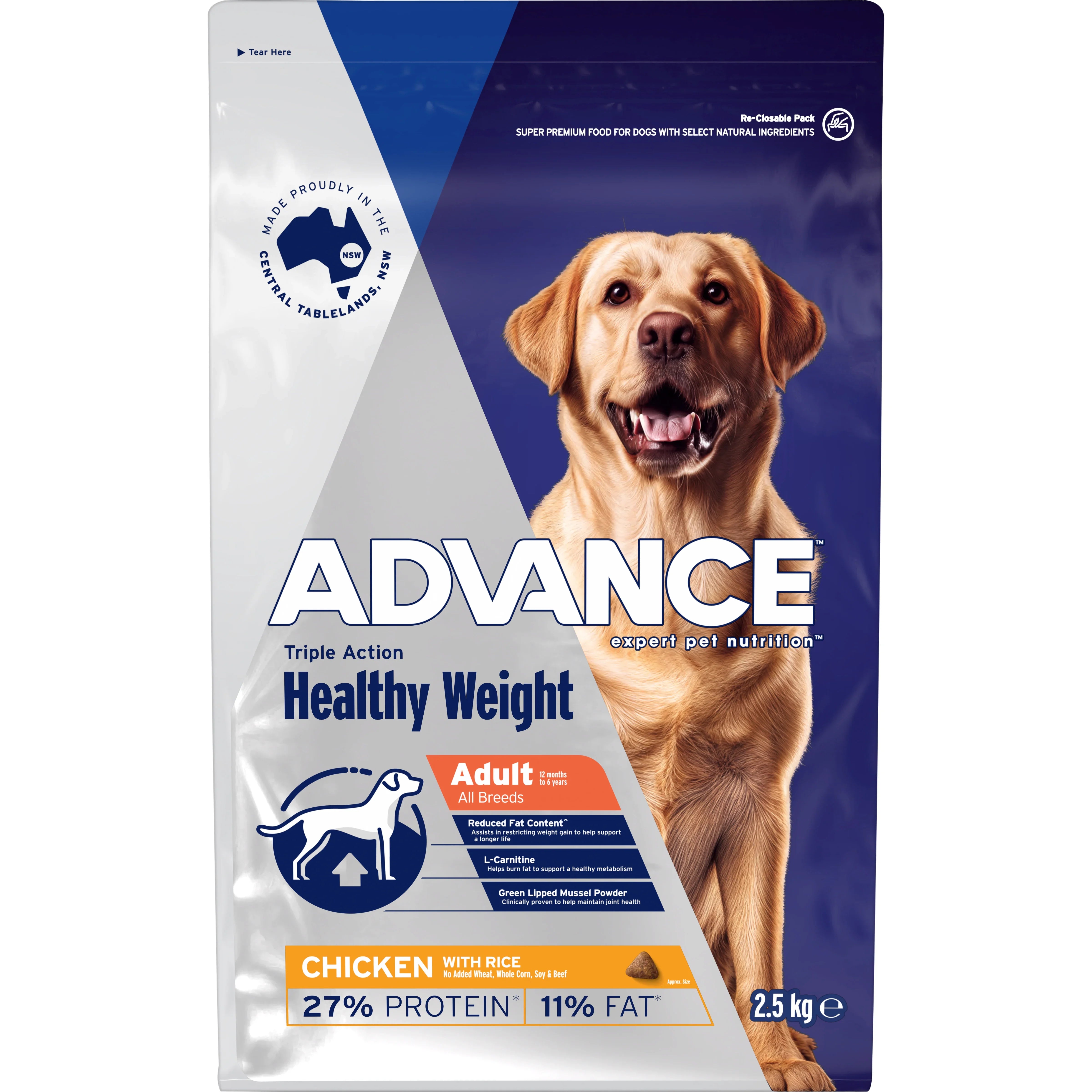
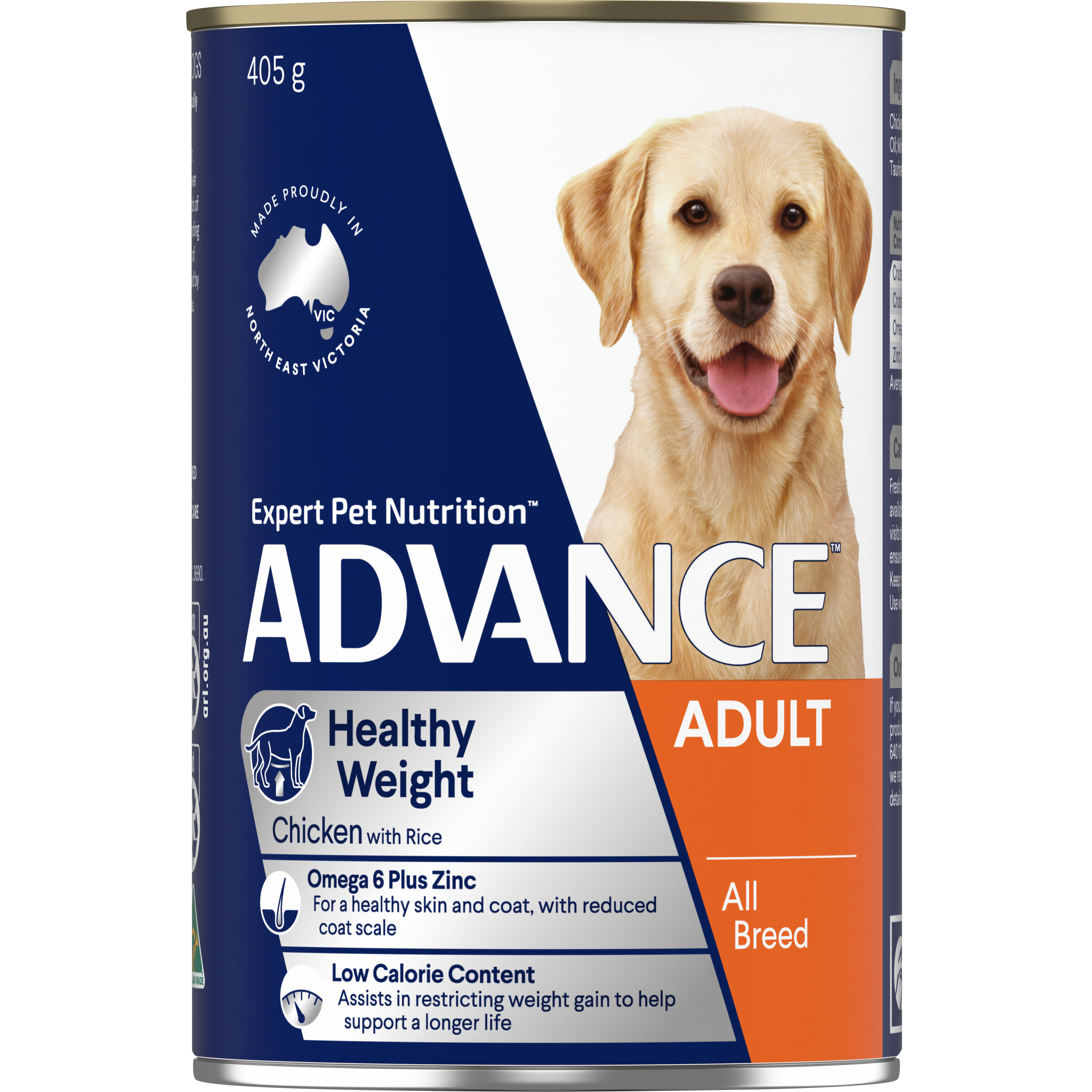
Commonly recommended reductions range from 10–20% of your dog’s pre-procedure daily intake, introduced gradually over the weeks following recovery. Switching to a purpose-formulated lower-calorie or weight-management formula can help your dog feel satisfied while consuming fewer calories. The key is to adjust before weight gain starts, not after.