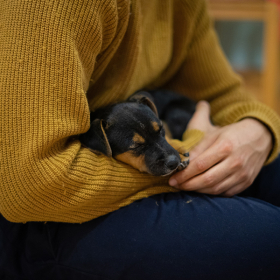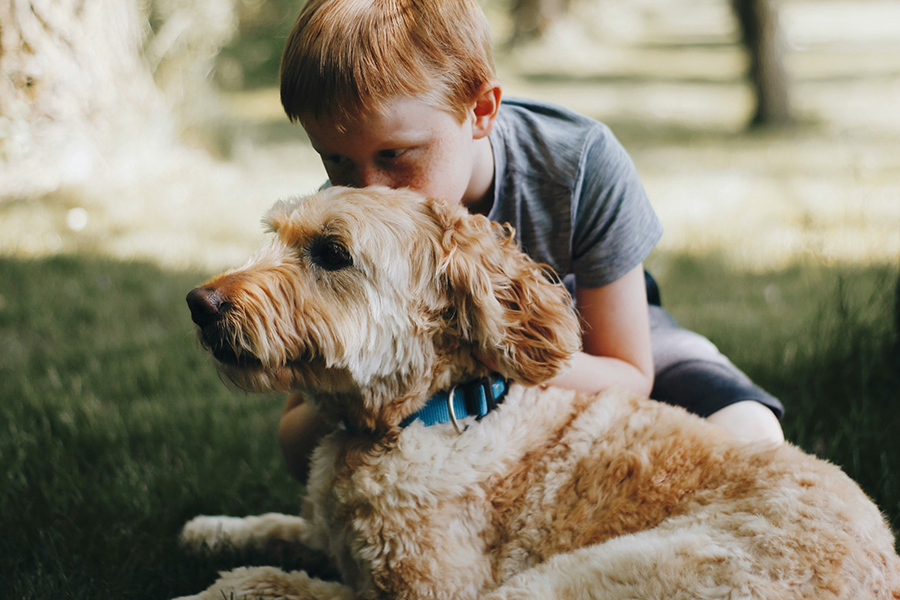
Photo by Nathan Hanna on Unsplash
Bringing new puppies into the world is an exciting and rewarding experience, but it can also come with its challenges and concerns. Understanding the signs and symptoms of dog pregnancy can help ensure both the mother and her future puppies stay healthy.
How do dogs get pregnant?
To understand how dogs get pregnant, you need to knowsomething about their reproductive anatomy. Dogs can get pregnant through artificial insemination and natural mating.The mating process involves the male dog (stud) and the female dog (bitch) engaging in copulation during the female's heat cycle.
Your dog's heat cycle
A female dog's heat cycle, also known as estrus, typically occurs twice a year, although this can vary based on breed and individual factors. The cycle can be divided into four stages:
- Proestrus: Lasts between three and 19 days. During this phase, your dog may have a swollen vulva and bloody discharge. She will attract males but is not yet ready to mate.
- Estrus: This is the most fertile period when your dog is ovulating and receptive to mating. It often lasts about nine days but can be for as long as 21. She will often show courting behaviours, approaching male dogs with her tail to one side.
- Diestrus: Your dog’s fertile period has come to an end in this phase, so her body will either return to normal or she will conceive. If your dog becomes pregnant, the embryos will start to develop during this time. She will lose interest in male dogs and their advances.
- Anestrus: This is the resting phase between cycles, which generally lasts about 4-5 months. Dogs will also enter this phase after giving birth.
Understanding your dog's heat cycle is the best way to identify the right time for breeding or to take steps to prevent an unwanted dog pregnancy. You can also help by keeping your dog comfortable during this phase, giving her the space and attention she needs.
Signs that your dog may be pregnant
So, how can you tell if your dog is expecting? Here are some common signs and symptoms of a dog pregnancy. From changes in behaviour to physical dog pregnancy signs, here are some things to look out for:
- Changes in appetite: A pregnant dog may want to eat more or, conversely, show signs of morning sickness and go off her food early on.
- Nipple enlargement and colour change: As the pregnancy progresses, your dog's nipples may become larger and more pinkish in colour.
- Behavioural changes: Pregnant dogs often become more affectionate or may even seek isolation as they prepare for birth. Some dogs will exhibit nesting behaviour, moving all their toys or blankets to one place.
- Weight gain and abdominal enlargement: As the puppies grow, your dog's abdomen will enlarge, and she will start to gain weight.
- Decreased activity: Some dogs may become more lethargic and less interested in their usual activities.
How to manage your dog's pregnancy symptoms
If you suspect your dog is pregnant, you should consult with your veterinarian to confirm the pregnancy and get specific guidance on caring for her. Here are some general tips to manage her pregnancy symptoms:
- Nutrition: Provide high-quality, nutritionally balanced food, and consider switching to a diet formulated for pregnant or nursing dogs
- Exercise: Maintain moderate exercise levels to keep your dog healthy but avoid strenuous activities.
- Comfort: Ensure your dog has a comfortable, quiet space to rest. Pregnant dogs may need more sleep and a calm environment.
- Regular Vet Visits: Schedule regular check-ups with your veterinarian to monitor the pregnancy and address any concerns promptly.
What comes next?
A dog’s pregnancy typically lasts about nine weeks, after which she and her new puppies will need care and attention.Our next two blogs will delve into how you look after your dog throughout their pregnancy journey and support them during and after the puppies’ birth.
Understanding the signs and stages of dog pregnancy is crucial for every responsible dog owner. By being informed and prepared, you can provide your dog with the best care throughout her pregnancy and ensure a safe and healthy delivery for both her and her puppies. For more information on how to care for your dog, check out our blog.
© 2024 Mars or Affiliates.