Key Takeaways
- A cough is a symptom, not a diagnosis - it can stem from respiratory irritation, infections, feline asthma, hairballs or other causes, and working out the cause is a job for your vet.
- Coughing and trying to bring up a hairball look similar but involve different systems - repeatedly assuming it is just a hairball could delay care for respiratory disease.
- Difficulty breathing, open-mouth breathing, pale or blue gums, collapse or worsening coughing are emergencies that need urgent veterinary attention.
- Recording a short video of an episode and noting the frequency, duration and other symptoms gives your vet valuable clues to help your coughing cat.
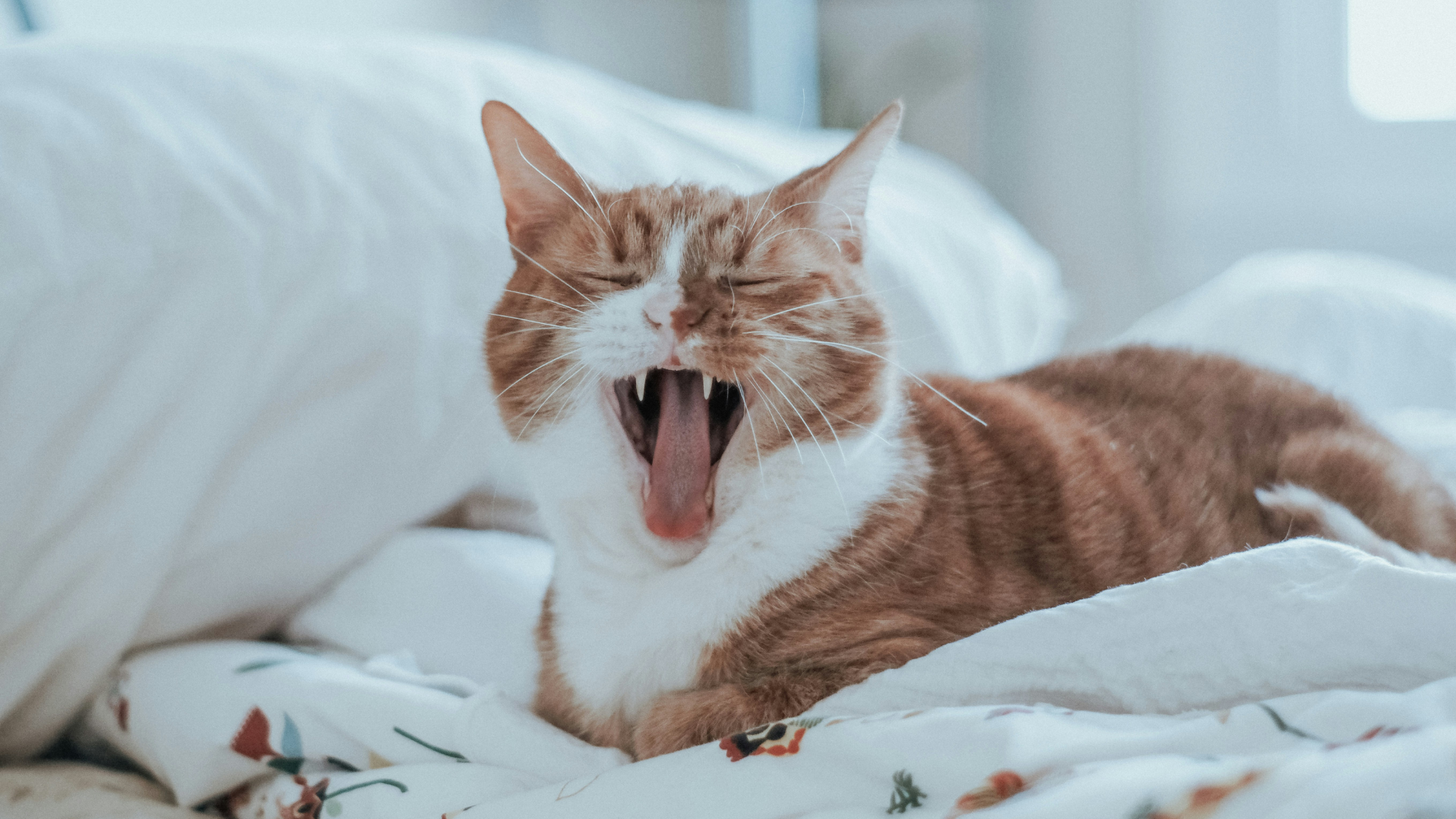
Image by Ayla Meinberg on Unsplash
An occasional cough may not always signal serious illness, but repeated coughing or any breathing difficulty should be assessed by a vet. This guide walks you through what a cough can look and sound like, the common causes, and when to act quickly - so you can support your cat with confidence rather than worry.
What Does a Cat Cough Look and Sound Like?
Coughing in cats typically presents as a sudden, forceful expulsion of air from the lungs, often with the neck extended low and the head tucked. Helping owners distinguish a possible cat cough from gagging, retching or attempting to bring up a hairball is the first step in understanding what is going on. Cat coughing may involve crouching low, extending the neck horizontally, and producing a dry or wet sound - and because coughing is a symptom rather than a diagnosis, observing the pattern matters more than jumping to conclusions.
What Does Cat Coughing Look Like?
During a cough, you may notice your cat crouching low to the ground with the neck extended outward. The movement comes from the chest rather than the stomach, and the sound can range from a dry hack to a moist rattle. Some cats cough once and carry on; others have bouts that last several seconds. These observations help describe what is happening, but they cannot diagnose the underlying cause - that is your vet's job.
Coughing vs Gagging
Coughing and gagging can look remarkably similar, which is why they are so easily confused. A cough is a respiratory movement - air forced up from the lungs - while gagging or retching is a gastrointestinal movement, involving the throat and stomach. Watching whether the effort comes from the chest or the belly can help you tell them apart, and sharing that detail with your vet helps them too.
Coughing vs Hairballs
Respiratory coughing is often mistaken for a cat trying to bring up a hairball. Both can involve extended necks, retching sounds and apparent effort - but a hairball episode usually ends with the cat bringing up material, whereas a respiratory cough typically does not. If your cat repeatedly goes through the motions but never produces a hairball, that is a clue worth mentioning to your vet.
Why Recording an Episode Can Help Your Vet
Coughing does not always happen during the appointment, so a short video can be invaluable. If it is safe to do so, film an episode and note the frequency, duration and any other symptoms. That recording gives your vet a clear picture of what is actually occurring, which can fast-track the path to the right care for your cat.
Is My Cat Coughing or Trying to Cough Up a Hairball?
This is one of the most common points of confusion for cat owners. The key distinction is this: coughing involves the respiratory tract, whereas a hairball episode generally involves gagging or retching from the digestive tract. The two behaviours can look similar because both involve the neck extending and apparent effort - but they come from different systems in the body.
If your cat repeatedly goes through the motions of bringing up a hairball but nothing appears, it may actually be coughing. Repeatedly assuming the cause is cat hairballs could delay assessment of respiratory disease such as feline asthma or a cat respiratory infection. For recurrent episodes of cat coughing, veterinary advice is the right next step - and nutrition can play a supporting role too.
If your cat does have a hairball problem, the ADVANCE™ Hairball Adult Chicken is formulated to support the movement of ingested hair, reducing the instance of hairballs.
Can Respiratory Infections Cause Cats to Cough?
Yes - a cat respiratory infection can sometimes contribute to coughing, and it may occur alongside other symptoms such as sneezing, nasal or eye discharge, reduced appetite or lethargy. Different infections can cause different symptom patterns, so the full picture matters more than any single sign. When respiratory symptoms persist or your cat seems unwell, veterinary assessment is the right call for any cat coughing that does not settle.
Other Signs of Respiratory Infection
Alongside coughing, a cat respiratory infection can bring sneezing, nasal or eye discharge, a reduced appetite, lethargy and sometimes a fever. Not every cat will show every sign, and the combination of symptoms helps your vet narrow down the likely cause. Any of these signs alongside a coughing cat is worth a conversation with your vet.
When Should a Respiratory Infection Be Checked?
Persistent symptoms, reduced eating or drinking, or any breathing difficulty all warrant veterinary advice. A mild case may resolve with support, but cat illness can progress, and timely assessment helps ensure your cat gets the right care before things become more serious. When in doubt, a quick call to your vet clinic is always a sound decision.
When Is Cat Coughing an Emergency?
Difficulty breathing, open-mouth breathing, collapse or other signs of respiratory distress require urgent veterinary attention. There is a clear line between an occasional cough that needs monitoring and a breathing emergency that needs immediate care - and knowing the difference is one of the most valuable things a cat parent can learn. Cat coughing that worsens or appears alongside distress signs should never be watched at home.
Difficulty or Laboured Breathing
Visible respiratory effort - such as the chest or belly working hard to draw breath - should be treated seriously. If breathing looks laboured, your cat needs urgent veterinary care, not home monitoring.
Open-Mouth Breathing
Cats normally breathe through their nose. Open-mouth breathing in a cat can indicate significant respiratory distress and is a reason to seek emergency veterinary attention straight away.
Pale or Blue-Tinged Gums
Abnormal gum colour - pale, white, or blue-tinged - alongside breathing problems is a sign that your cat is not getting enough oxygen. This requires emergency attention immediately.
Collapse or Severe Weakness
Collapse, extreme lethargy or a sudden, significant deterioration are all reasons to seek emergency veterinary care without delay. These signs suggest the body is struggling and needs help now.
Persistent or Worsening Coughing
Even without obvious emergency symptoms, a cough that persists, worsens or becomes more frequent warrants veterinary assessment. Recurrent cat coughing should never be dismissed as simply normal - getting it checked is the empowered, informed choice.
Support Your Cat’s Wellbeing, Every Day
If your cat is coughing, speak with your vet and explore nutrition and wellbeing guidance designed to support your cat through every stage of life. You can also read more about caring for your cat’s overall health in our helpful guide.