Key Takeaways
- The best dog food isn't the most expensive or highest-protein option - it's the one that delivers complete and balanced nutrition suited to your individual dog's age, size, activity and health needs.
- There is no single best food for every dog. Life stage, protein source, digestibility and individual suitability matter far more than marketing claims.
- Single protein and natural dog food can be useful choices, but they should be judged on their full nutritional profile, not on a label alone.
- Reading the pack - ingredient list, nutritional information and feeding guide - helps you compare foods confidently and choose what is the best dog food for your dog.
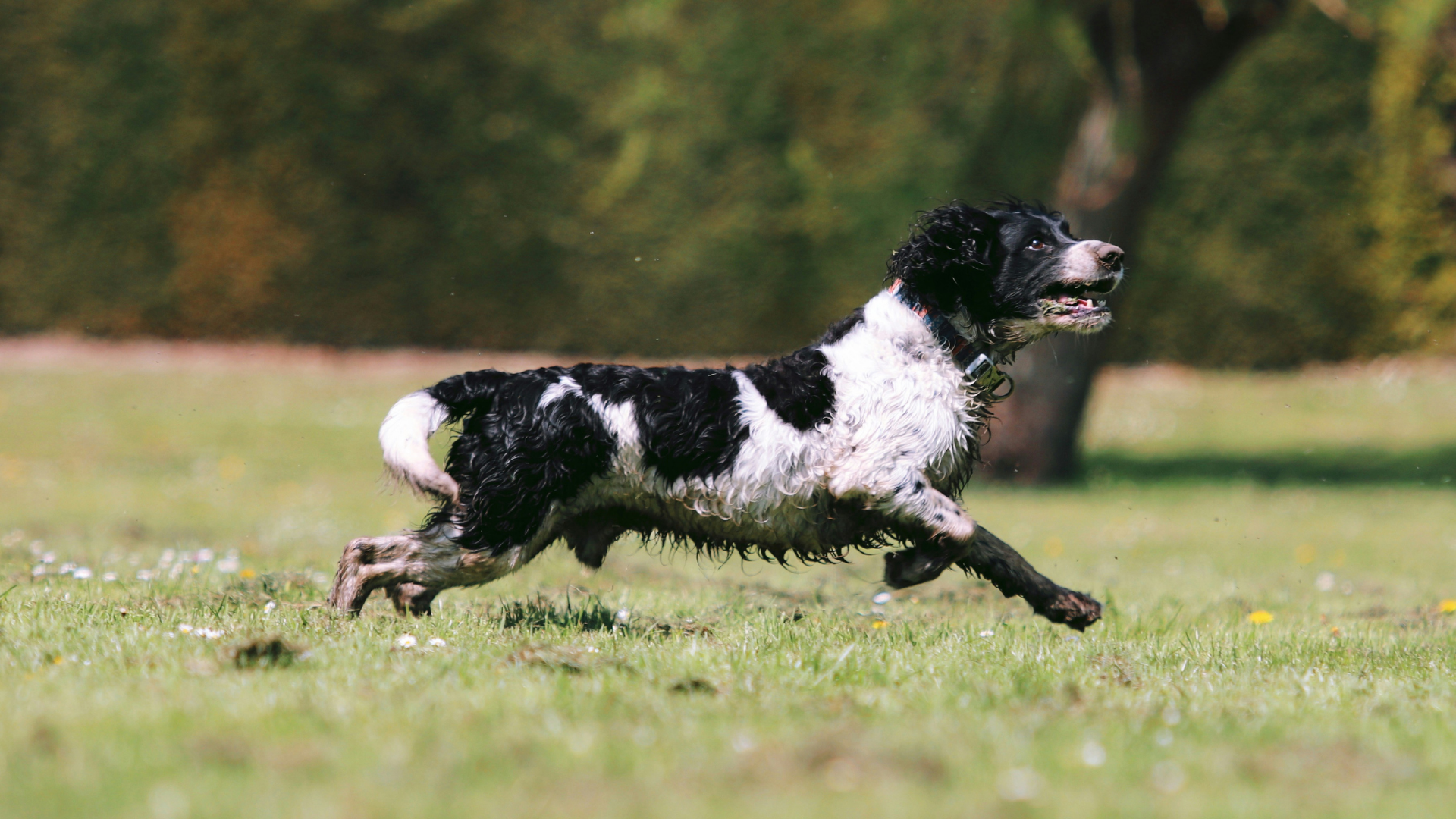
Images by Jamie Street and Rafaella Waasdorp on Unsplash
This article walks you through the criteria that actually matter - nutrition, life stage, protein source, digestibility and individual suitability - so you can compare options with confidence. We'll also clear up where marketing terms fit in, and where they don't. And if you’re wondering about why what you feed your dog matters, read more in our guide on the importance of what you feed your dog.
What Makes a High-Quality Dog Food?
A high-quality dog food is best judged by its nutritional completeness, its suitability for the dog who'll eat it, and the expertise behind its formulation - not by a single ingredient or a clever marketing claim. When you're searching for the best dog food Australia offers, these are the pillars worth holding onto.
Complete and Balanced Nutrition
Everyday food should provide the essential nutrients your dog needs for their intended life stage - the right balance of proteins, fats, carbohydrates, vitamins and minerals in the right proportions. Complete and balanced nutrition is the foundation; without it, no premium-sounding ingredient can carry the load.
Ingredient Quality and Nutritional Purpose
Ingredients should be evaluated by the nutrition they contribute, not by whether their names sound fancy. A scientifically formulated diet uses each ingredient for a purpose - a protein source for muscle, an oil for skin and coat, a fibre for digestion. That purpose matters more than the name on the label.
Digestibility and Feeding Suitability
A nutritionally strong food still has to agree with the individual dog. Digestibility - how well your dog can actually absorb and use the nutrients - is what turns a good formulation into a great everyday meal. If a food sits well, supports healthy body condition and keeps your dog bright and regular, you're on the right track.
Quality Control and Research
Consider the expertise behind the bowl. Formulation knowledge, manufacturing standards and the evidence supporting a diet all tell you something about its quality. Recipes backed by decades of research, made locally with care, give you confidence that every meal is doing its job.
Explore how nutrition supports your dog's overall health: Health and Your Dog.
What Protein Source Is Best for Your Dog?
Protein is essential to canine nutrition - it supports muscle maintenance, tissue repair and overall health. But the best protein source depends on the individual dog, rather than one ingredient being universally superior. When comparing options for the best dog food Australia has available, protein quality and complete dietary balance matter more than the raw number on the pack.
Common Animal Protein Sources
Chicken, turkey, beef, lamb and fish are all common animal protein sources, each with its own characteristics. None ranks universally above the others - what suits one dog beautifully may not be the ideal fit for another. The table below compares them without crowning a single winner.
| Protein source | Typical characteristics | Feeding considerations | Suitable contexts |
| Chicken | Lean, highly digestible, widely used | Gentle on most digestion; common baseline protein | Everyday maintenance, most life stages |
| Turkey | Lean, similar profile to chicken | Good alternative for variety | Dogs doing well on poultry-based diets |
| Beef | Rich flavour, nutrient-dense | Slightly richer; watch individual tolerance | Active dogs, dogs needing variety |
| Lamb | Distinct amino acid profile | Often used in sensitivity-oriented diets | Dogs that may benefit from a change of protein |
What Is Single Protein Dog Food?
Single protein dog food contains one animal protein source rather than a blend. It can be a helpful choice when you're managing a dog with a suspected food sensitivity, working through an elimination process with your vet, or simply wanting to keep things straightforward. The format isn't inherently better or worse - it's a tool that suits particular situations, and one that's most useful when chosen with purpose.
Does More Protein Mean Better Dog Food?
Not automatically. Protein level has to be considered alongside life stage, energy requirements and the total nutritional balance of the diet. A highly active working dog will benefit more from a high protein diet, compared to a less-active companion for example.
Is Natural Dog Food Better?
Natural dog food can be a useful product characteristic - but it shouldn't replace a proper assessment of nutritional completeness, formulation quality and suitability for the individual dog. When weighing up the best Australian dog food options, it helps to look beyond the word on the pack.
Most pet parents mean something sensible when they look for natural food: recognisable ingredients, nothing that feels overly processed, a sense of food being close to its source. That instinct is reasonable. What it doesn't guarantee is that a food is nutritionally superior. A natural-sounding diet that isn't complete and balanced will fall short of a scientifically formulated one that is.
So examine the entire formulation and the feeding claims that sit alongside it. There's no need to fear appropriately used formulated ingredients - many exist to make nutrients more available, more stable or more digestible for your dog. The best move is to hold natural claims and nutritional evidence in the same hand, and let the full picture guide you.
Choosing Dog Food by Life Stage
Nutritional requirements change substantially between puppyhood, adulthood and the senior years, which makes life-stage suitability one of the most important food-selection criteria you'll weigh up. Getting this right is a big part of finding the best dog food Australia can offer your companion.
Puppy Food
Puppy diets are designed to support rapid growth and development - more energy, more of the building blocks for healthy bones, muscles and organs, and the right calcium and phosphorus balance. Puppies shouldn't simply eat an adult maintenance diet; their bodies are doing the demanding work of growing, and they need a diet built for that job.
Adult Dog Food
Adult nutrition focuses on maintaining a healthy body condition and supporting everyday wellbeing. Once growth is complete, the priority shifts to steady energy, maintaining lean muscle and keeping everything ticking along nicely - not over- or under-fuelling.
Senior Dog Food
As dogs age, calorie needs, mobility and other nutritional considerations shift again. Senior diets often account for changing activity, support for ageing joints and a body that may use energy a little differently. Whenever you move between foods - including into a senior diet - make the transition gradually over several days so your dog's digestion can adjust comfortably.
Choosing Dog Food by Breed Size and Lifestyle
Breed size and lifestyle influence energy requirements, growth patterns, portion needs and sometimes the most suitable formulation. Small, medium and large dogs don't all burn fuel the same way, and an active working dog has very different needs from a less-active companion who prefers the sunny patch of carpet.
Body condition is an ongoing decision factor too - a useful, at-a-glance read on whether your dog is at a healthy weight. Rather than prescribing food by breed name alone, think of size and lifestyle as two more clues that point you toward the right match. Combined with life stage and health needs, they help you narrow the field with confidence.
How to Read a Dog Food Label
Labels are practical decision-making tools - you just need to know where to look. Focus on life-stage suitability, nutritional information, the ingredient list and the feeding instructions, and you'll be able to compare foods far more usefully than by reading the front of the pack alone.
Ingredient List
The ingredient list shows what's in the food, in descending order by weight. Read it within the context of the overall formulation - a single ingredient tells you less than how the whole recipe works together to deliver complete nutrition.
Nutritional Information
The nutritional information panel sets out the key nutrients - protein, fat, fibre and more - so you can understand the food's intended nutritional profile and compare it sensibly against your dog's needs.
Feeding Guide
Serving instructions are a starting point, not an exact prescription. Use them as a guide, then adjust to your dog's body condition, activity and individual response. Every dog is a little different, and the feeding guide is there to get you started - your own observations finish the job.
What Is the Best Dog Food for Your Individual Dog?
Bring it all back to the question that started this: what is the best dog food? The answer is the option that consistently provides appropriate nutrition and supports a healthy body condition for your individual dog. Life stage, lifestyle, protein source, digestibility and overall nutritional quality all come together in that one decision.
Not sure if wet food or dry food is right for your dog? Find out more in helpful guide.
Once you've chosen a food, keep an eye on body condition and digestion. Bright eyes, a healthy coat, steady energy and good stools are reassuring signs that the food is doing its job. And for any medical or specialised dietary needs, your vet is the right partner - they can guide you toward a diet tailored to your dog's specific situation.
The best dog food Australia has to offer is the one that fits your dog - and now you have the tools to find it.
Ready to Nourish Every Moment?
Choosing the right food is one of the most loving things you can do for your dog - and you don't have to do it alone. At ADVANCE™, we've spent over 25 years turning proven science into tailored, nutrition-packed meals made right here in Australia, so your dog can live a long, healthy life. Explore our full range of Dog Nutrition to find a complete and balanced diet suited to your dog's life stage, size and needs.