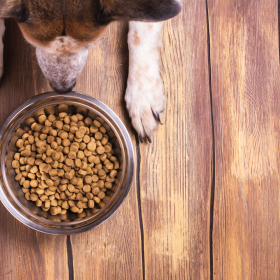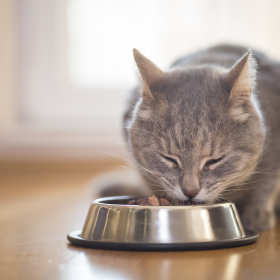
Sample

Cat, Dog, Nutrition

Should I feed wet or dry food?

Photo by Anusha Barwa on Unsplash

Wet and dry food

There's an ever increasing range of pet food products available, often in a variety of formats. Many pet parents wonder if they should be feeding dry food, wet food or a combination.

Each feeding format offers specific advantages so let’s take a look at some of them.
 

Wet food

• Comes in a variety of packaging types such as tray, pouch and can

• Provides variety to a pet’s diet through flavour and texture

• Food is sterilised through cooking, so no preservatives are added

• Easy to chew texture can help puppies and kittens, as well as senior pets

• Provides additional moisture, especially beneficial to the pet when the weather is warm

• Aromas and texture can help tempt fussy eaters

• High moisture content helps maintain lower urinary tract health

• Less calorie dense than dry food, so can assist with weight loss and healthy weight management


Dry food

• Concentrated nutrition, so you feed less

• Economical

• Convenient to use and store

• Crunchy kibbles may help improve dental health and freshen breath

• May contain active ingredients such as stabilised Green Lipped Mussel powder for joint health


Should I feed wet or dry food?

Wet and dry foods are equally nutritious. The important thing is that you offer your pet a diet that is complete and balanced for their life-stage.

The feeding of both wet and dry food formats together is known as ‘mixed feeding’. This method of feeding provides a pet with taste and texture variety and enables them to get the benefits that each feeding format offers. In other words, mixed feeding provides a pet with the best of both worlds, so it's a great choice.

When feeding both ADVANCE™ wet and dry food, simply halve the recommended quantities of each product and let your pet enjoy the advantages of both formats.


What about home prepared and raw feeding?

Some pet parents want to feed the wild nature of their cats and dogs, but it’s important to remember that our couch-dwelling pets have evolved quite a bit from their days as wolves and free-roaming cats.

Cats and dogs require about 40 essential nutrients, each in the right form and in the right amount (balanced) to deliver complete nutrition. Formulating a pet’s diet means ensuring that the minimum and maximum amounts of vitamins and minerals are met – and that adds an extra element of risk to home-prepared or raw meals.

While raw meat can be a novelty for your pet, it has to be very fresh. A recent study, published in Vet Record, has found that raw meat can contain high levels of bacteria that may pose health risks for your pet. The researchers also warn that such food could present a health risk to you, or others in your household if their immune system is compromised (children, the elderly or anyone using immune system suppressant medication for a health condition).
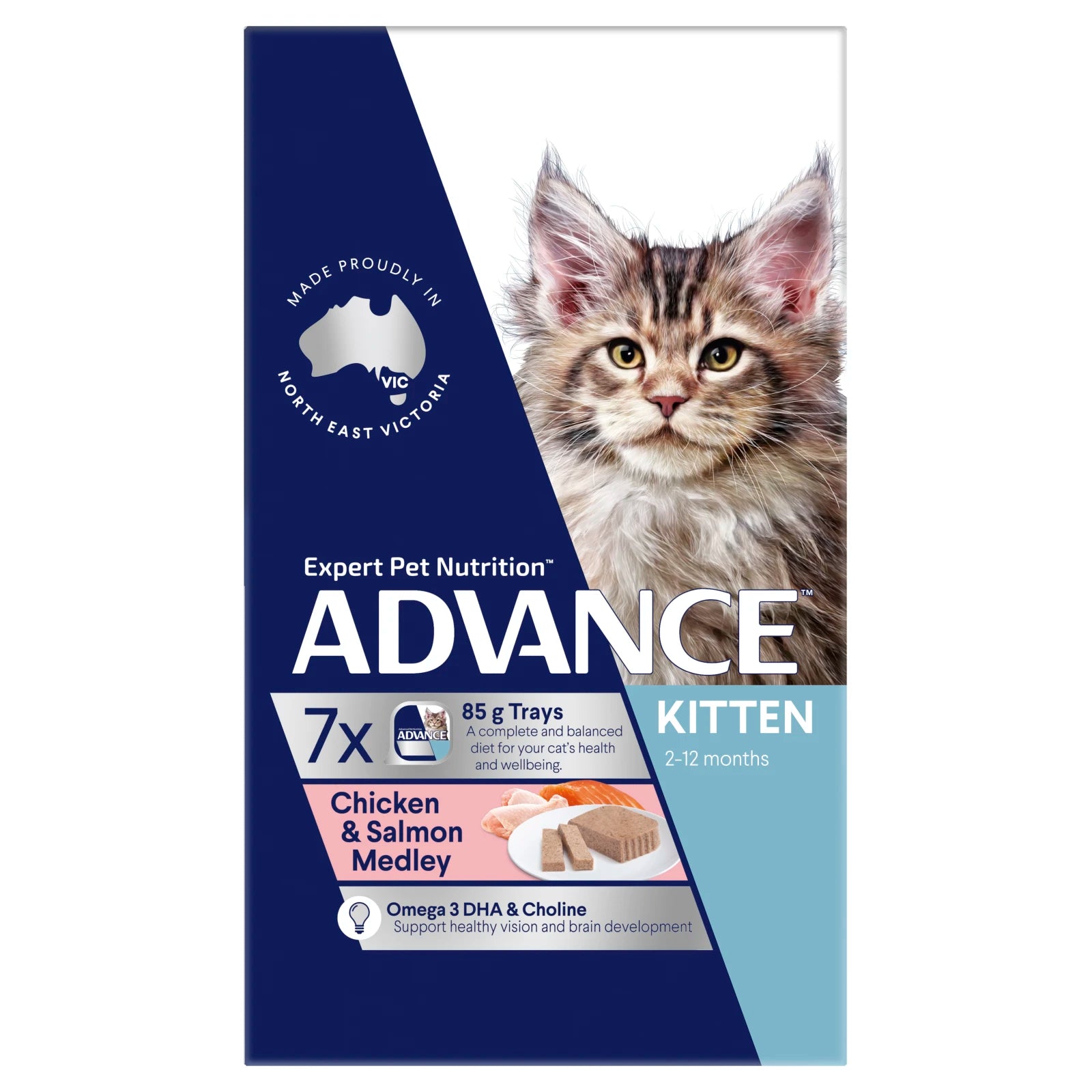
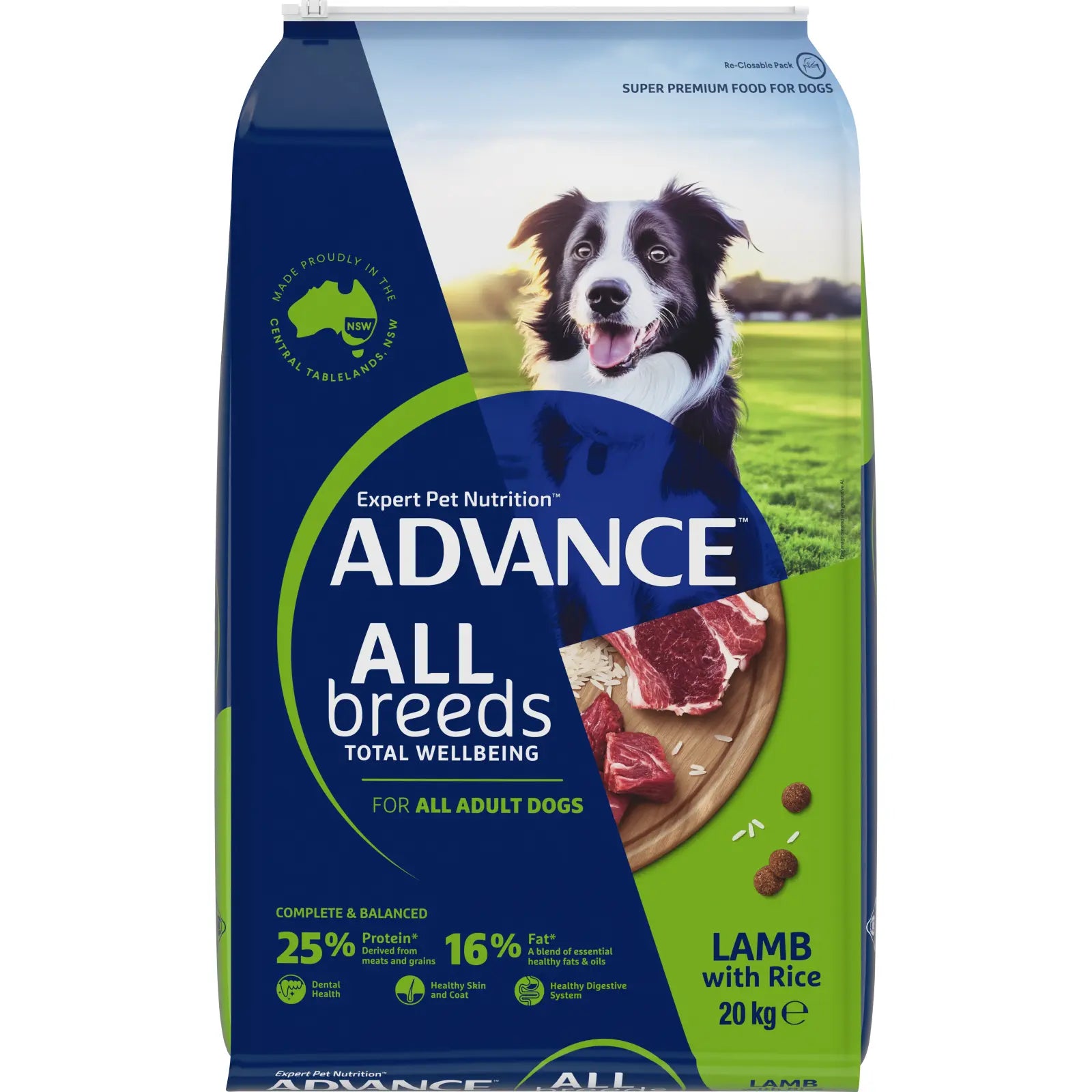
Tailored nutrition starts here: Take our quiz to discover a personalised food recommendation for your pet, based on their age, size and needs.

More advice for pet parents

View all dog advice

Expert Pet nutrition™

ing-1

Backed by Waltham Institute with 60+ years of research

ing-2

Quality ingredients and recipes, proudly made in Australia

ing-3

Tailored nutrition for every life stage, lifestyle or health need

Frequently Asked Questions

Dry food can help reduce plaque build-up through the mechanical action of chewing, so it's often associated with better dental health — but it's not a substitute for proper dental care. Wet food, being softer, doesn't offer the same abrasive effect. If your pet is on a wet-only diet, their teeth may need a little extra attention. The most effective way to support dental health is a combination of regular brushing, veterinary dental check-ups, and purpose-made dental treats or diets. Mixed feeding can be a good middle ground, giving your pet the dental benefits of dry food alongside the taste and hydration benefits of wet.

Dry food should be stored in a cool, dry place in its original packaging or an airtight container, and ideally used within 6–8 weeks of opening to keep it fresh and retain its nutritional value. Wet food in cans or pouches can be stored unopened at room temperature, but once opened, any unused portion should be transferred to a sealed container, kept in the fridge, and used within 24–48 hours. Always check the packaging for specific storage instructions, and wash your pet's bowl regularly to prevent bacteria build-up.

Wet food should not be left out at room temperature for more than 1–2 hours, as it can spoil quickly and become a breeding ground for bacteria. If your pet doesn't finish their meal within that window, remove the leftovers, discard them, and wash the bowl before the next serving. Dry food is more stable and can safely be left out for longer periods, which makes it a convenient option for pets who prefer to graze. If you're mixed feeding, offer the wet portion at set meal times and leave a measured amount of dry food out if your pet likes to nibble throughout the day.

Both formats can support healthy weight management, but wet food has a higher moisture content and is typically lower in calories per gram than dry food, which means your pet can eat a satisfying portion for fewer calories. This can make wet food a helpful option for pets that need to lose weight or tend to overeat. Dry food is more calorie-dense, so portion control is especially important — it's easy to overfeed without realising. Whatever format you choose, use the feeding guide on the packaging as a starting point, monitor your pet's body condition, and adjust the amount as needed. If you're concerned about your pet's weight, have a chat to your veterinarian for tailored advice.

Yes — as long as the food you choose is complete and balanced for your pet's life stage, either wet or dry food alone can provide all the nutrition they need. A wet-only diet offers excellent hydration and palatability, which can be especially beneficial for pets that don't drink much water or are fussy eaters. A dry-only diet is convenient, cost-effective, and helps support dental health through chewing. Mixed feeding — combining both formats — is a popular choice because it offers the benefits of each, including taste and texture variety. The best option is the one that suits your pet's preferences, health needs, and your lifestyle.