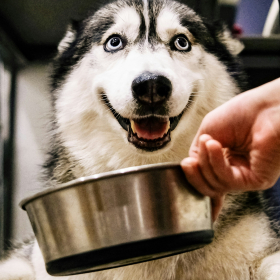
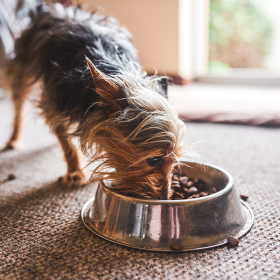
Sample

Puppy, Wellbeing, Nutrition

Common puppy feeding queries

It can be argued that nothing plays a more important role in healthy puppy growth and development as nutrition, so let's look at some common puppy feeding queries. 

Photo by Olga Andreyanova on Unsplash

How much to feed my puppy?

Use the feeding guide found on pet food packaging as a starting point.  This will show you the total daily amount to offer your puppy.  Keep an eye on your puppy's body condition so that you can fine tune the amount fed, if needed.  Have a chat to your veterinarian if you're concerned about your puppy's body condition or growth rate.  


How often to feed my puppy?

In general, younger puppies should be fed smaller meals more frequently.  This is to help allow them take in enough food for growth.  Their stomach capacity is small, therefore they require frequent meals.  

Start off dividing your puppy's total daily food into four small meals.  Over time, the number of meals can be gradually reduced so that by the time your puppy reaches adulthood, they will be on one or two meals per day.  Ensure that your puppy has free access to a continual supply of fresh drinking water in a suitable sized container.


dog


Should I feed my puppy a home-made diet?

It can be tempting to feed a pet a diet made up of human food and table scraps.  However, it's a challenge to create a home-made diet that is complete and balanced, especially in the long term.  Puppies need a complete and balanced diet that is specially formulated to support their healthy growth and development.  A high quality super premium pet food such as ADVANCE™ provides this peace of mind.

In addition, some human foods can be toxic to pets such as grapes, raisins, onions and chocolate. 


Should I feed my puppy dry or wet food?

Dry and wet foods are equally nutritious.  The feeding of both dry and wet foods is known as ‘mixed feeding’.  This method of feeding provides a pet with taste and texture variety and enables them to get the benefits that each feeding format offers.

Different size puppies have different nutritional needs, so remember to choose a formula that is tailored accordingly.  ADVANCE™ has a range of puppy diets to suit the various breed sizes, so you can be sure there's a diet that’s just right for your puppy.
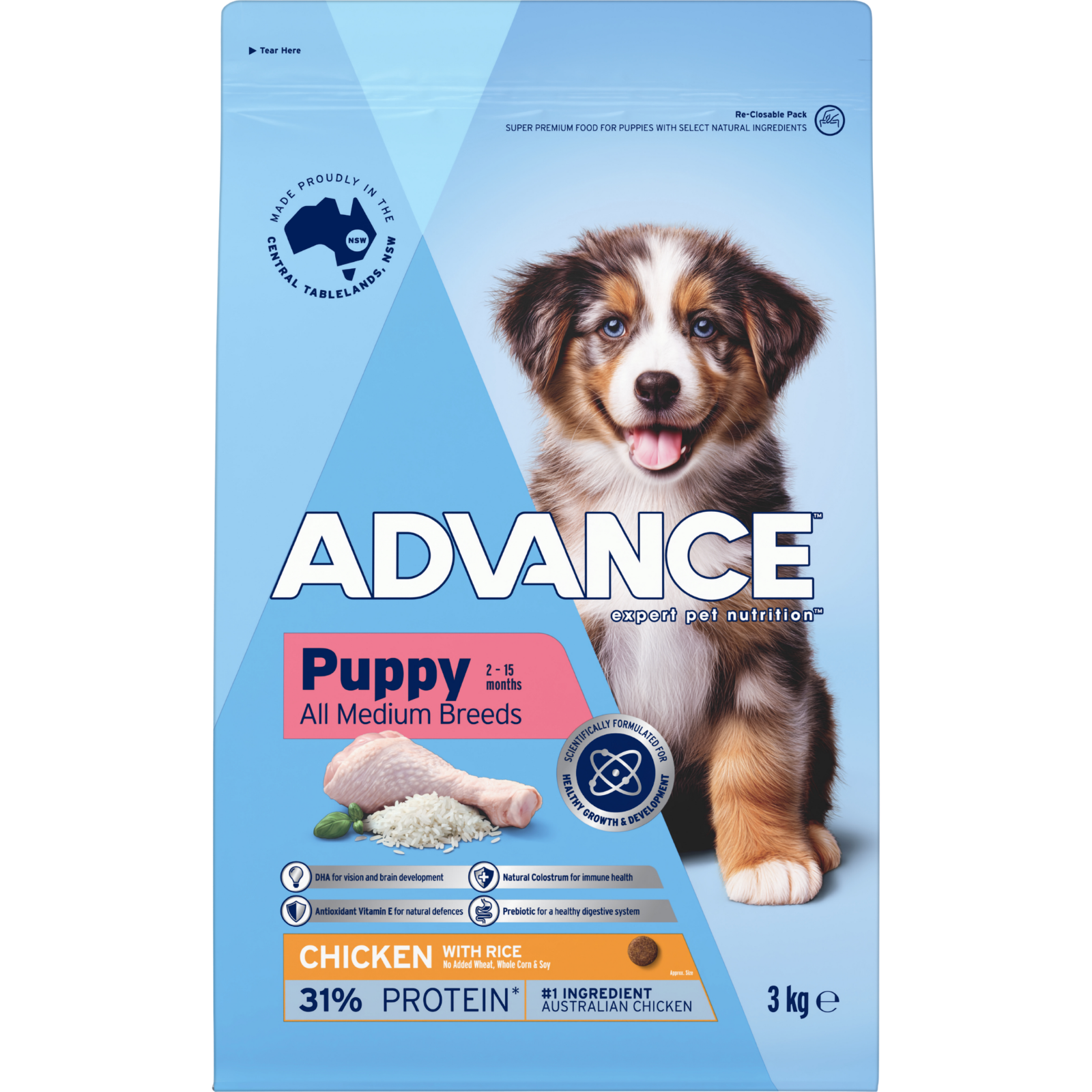
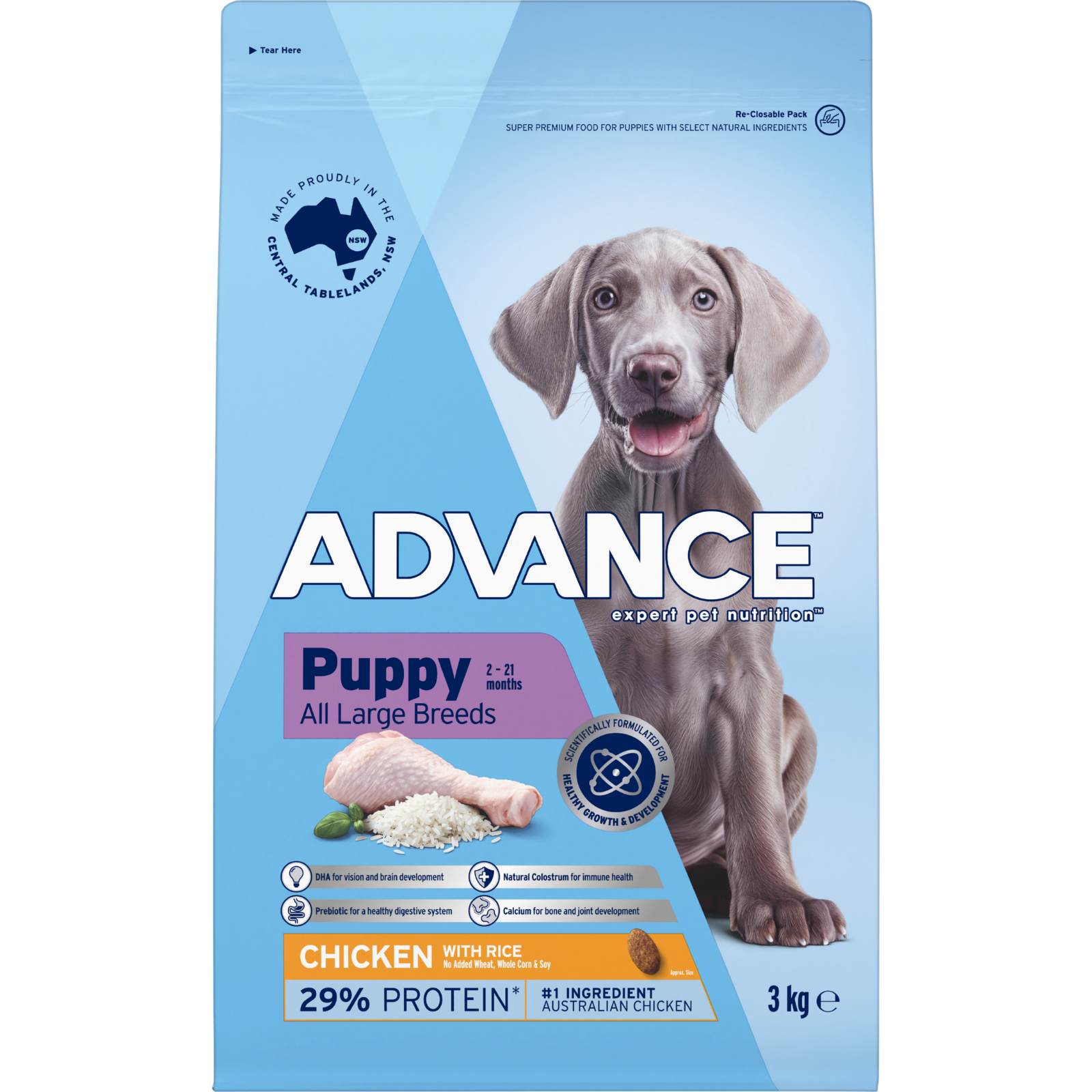
 

Tailored nutrition starts here: Take our quiz to discover a personalised food recommendation for your pet, based on their age, size and needs.

More advice for dog parents

View all dog advice

Expert Pet nutrition™

ing-1

Backed by Waltham Institute with 60+ years of research

ing-2

Quality ingredients and recipes, proudly made in Australia

ing-3

Tailored nutrition for every life stage, lifestyle or health need

Frequently Asked Questions

Most puppies are ready to move onto adult dog food between 9 and 12 months of age, though large and giant breeds can take up to 15–24 months to fully mature. The right time depends on your puppy's breed size, growth rate and body condition rather than a fixed age. When you do switch, transition gradually over 7–10 days by mixing increasing proportions of the new food with the old — this helps avoid tummy upsets. Have a chat to your veterinarian if you're unsure whether your puppy is ready to make the change.

Fussiness is usually learned, not innate. The most effective fix is a consistent routine: offer meals at set times, leave the food down for 15–20 minutes, then remove it until the next meal — even if it hasn't been finished. Avoid topping up with treats, table scraps or extra flavourings, as these reinforce picky eating. Keep mealtimes calm and distraction-free, and make sure everyone in the household follows the same approach. If your puppy's appetite drops off suddenly or is accompanied by vomiting, diarrhoea or lethargy, consult your veterinarian to rule out an underlying issue.

While raw feeding has passionate advocates, formulating a raw diet that is complete and balanced for a growing puppy is genuinely difficult. Puppies have very specific nutritional needs during growth, and imbalances in calcium, phosphorus and other nutrients can have lasting effects on bone and joint development. There's also a food-safety consideration, as raw meat can carry bacteria that pose risks to both pets and people in the household. A high-quality, scientifically formulated super premium food such as ADVANCE™ Puppy Food delivers complete and balanced nutrition with confidence. Always speak to your veterinarian before making major changes to your puppy's diet.

Some human foods are fine as an occasional treat in small amounts — for example, plain cooked chicken, carrot sticks, green beans or small pieces of apple (seeds removed). However, a number of common foods are toxic to dogs and should never be offered: chocolate, grapes and raisins, onions and garlic, macadamia nuts, avocado, and anything containing xylitol (a sweetener found in sugar-free gum and some peanut butters). 

The safest approach is to feed a complete and balanced puppy food as the main diet and use purpose-made puppy treats for rewards. If you suspect your puppy has eaten something harmful, contact your veterinarian immediately.

Transition gradually over 7–10 days by mixing increasing proportions of the new food with the old. Start with roughly 25% new food and 75% old food for the first few days, move to a 50/50 mix, then 75% new and 25% old, before finally switching to 100% of the new food. This gives your puppy's gut microbiome time to adjust and helps prevent diarrhoea, gas and stomach discomfort. Sudden changes are the most common cause of tummy upsets, so slow and steady is the way to go. If you notice persistent vomiting or diarrhoea during the transition, pause and check in with your veterinarian.