Photo by Julissa Helmuth on Pexels
Welcoming a new puppy into your home is an exciting occasion, but it’s important you’re prepared for the care, training and support they will need as they settle in and mature. Understanding the various stages of your puppy's development can help ensure that they grow into happy, healthy, and well-adjusted dogs.
Puppy development milestones
Understanding what to expect, and when, helps you provide the best care and training at each phase of their growth. Puppy development stages can be broken up into a few distinct phases according to each age, each with their own characteristics.
The Neonatal period (0-2 weeks)
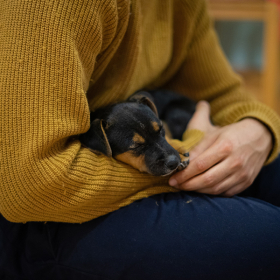
During the neonatal period, your puppy is highly dependent on their mother. At this stage, puppies are blind and deaf, relying solely on their sense of touch and smell. Key activities during this period include:
- Sleeping and nursing: Puppies will spend most of their time sleeping and nursing, essential for their rapid growth.
- Physical growth: You'll notice rapid physical changes, including their weight doubling by the end of this period.
The Transitional period (2-4 weeks)
The transitional period marks significant developments in your puppy’s sensory and motor skills. During this stage, your puppy will:
- Open their eyes and ears: Around two weeks, puppies will begin to open their eyes and ears, becoming more aware of their surroundings.
- Start walking: Puppies will start to stand and take their first wobbly steps. They might even start barking and wagging their tails.
- Develop teeth: The first baby teeth begin to emerge, prompting the start of weaning from their mother's milk.
The Socialisation period (5-12 weeks)
This is one of the most critical phases in your puppy's development. The socialisation period is when puppies learn essential social skills and behaviours that will shape how they interact with people and animals in the future:
- Interacting with littermates: Social play with littermates teaches them how to behave, such as bite inhibition and other critical social cues.
- Exploring the environment: They become curious to explore new objects, sounds, and experiences.
- Human interaction: Positive interactions with humans during this period will help to foster trust and reduce fearfulness, which can start to develop at this age. This is when they form bonds that can last a lifetime.
- Basic training: Start simple training commands like "sit," "stay," and "come" to establish good behaviour early.
The Pre-Adolescence period (4-6 months)
As your puppy enters the pre-adolescence period, they will start to exhibit more independence and may test boundaries, just as human teens do. Key stages include:
- Teething: Permanent teeth replace baby teeth, and they might chew more on items they find.
- Energy levels: Expect bursts of high energy and possible rebellious behaviour as they explore their independence.
- Continued training: Keep reinforcing training and good manners, as this is a formative stage for behaviour.
How to ensure your puppy meets these milestones
Helping your puppy to meet their developmental milestones requires attentive care, socialisation, and training. Here are some tips to help your puppy thrive:
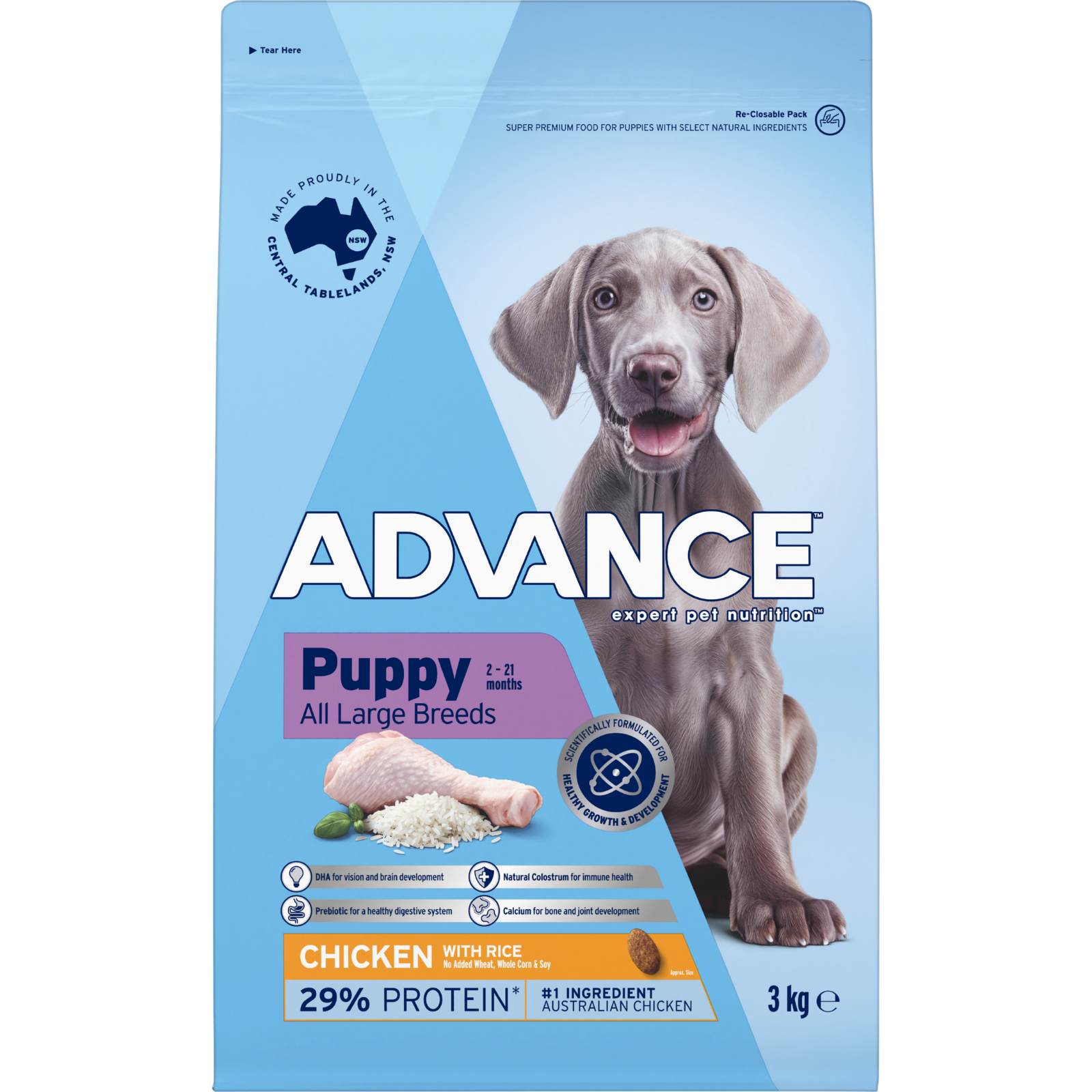
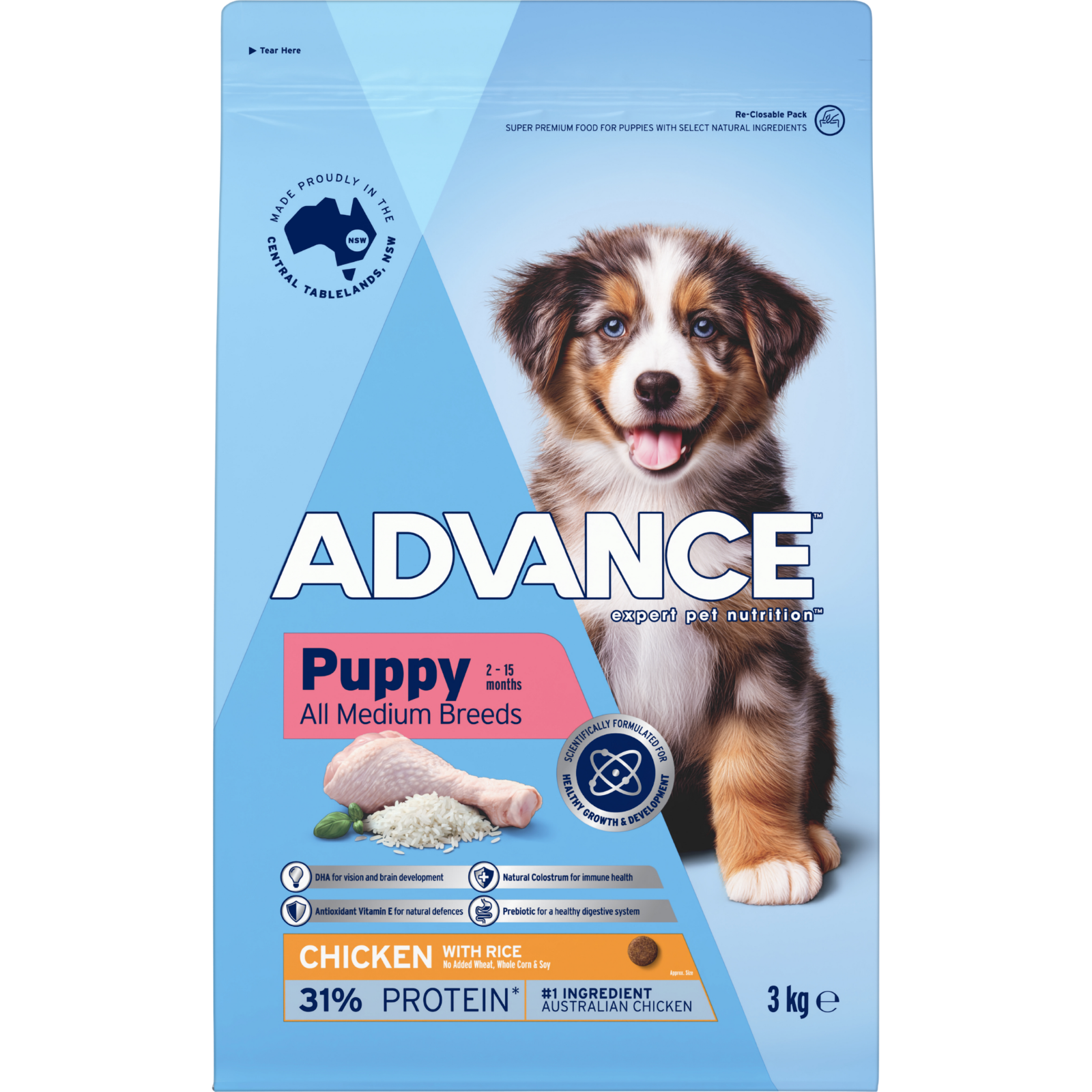
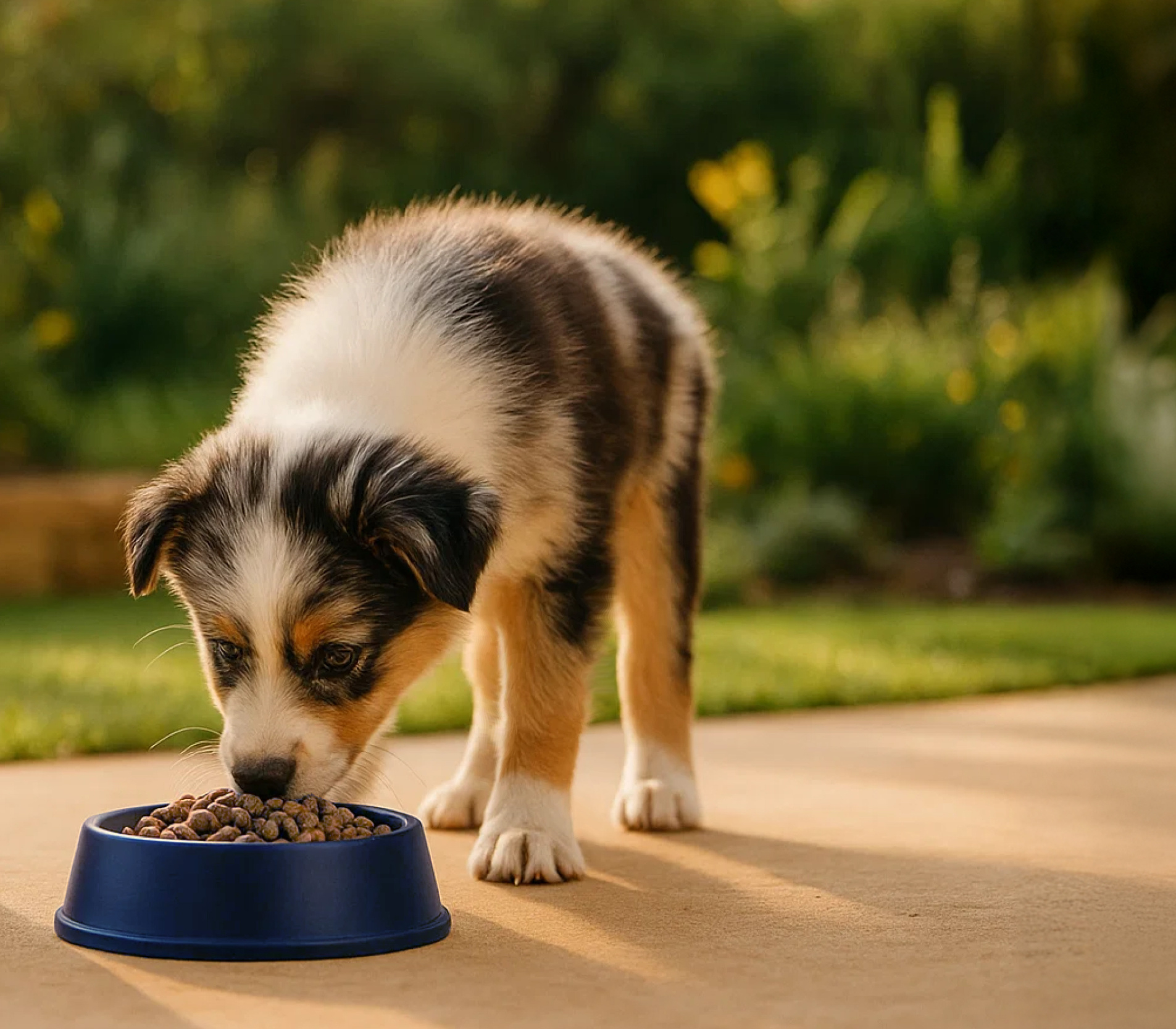
- Provide proper nutrition: A balanced diet tailored to your puppy’s age and breed is crucial for their healthy growth.
- Regular vet visits: Schedule regular check-ups to monitor your puppy's health and receive timely vaccinations.
- Socialisation: Expose your puppy gradually to various environments, people, and other animals to build their confidence and sociability.
- Positive reinforcement: Use treats, praise, and gentle corrections to encourage good behaviour and training. Avoid punishments, as this will only confuse them.
- Safe environment: Ensure your home is safe and puppy-proofed to prevent accidents and injuries.
By understanding and supporting your puppy through these developmental stages, you lay the foundation for a well-behaved, content and healthy adult dog. Enjoy every moment of this incredible journey with your new puppy. For more information on how to best care for your puppy, check out our blog.
© 2024 Mars or Affiliates.