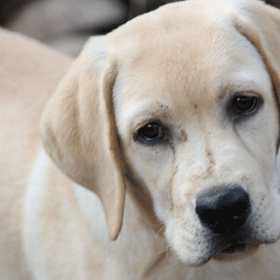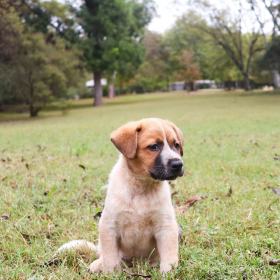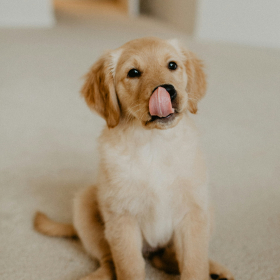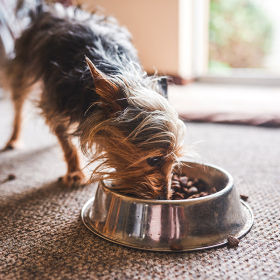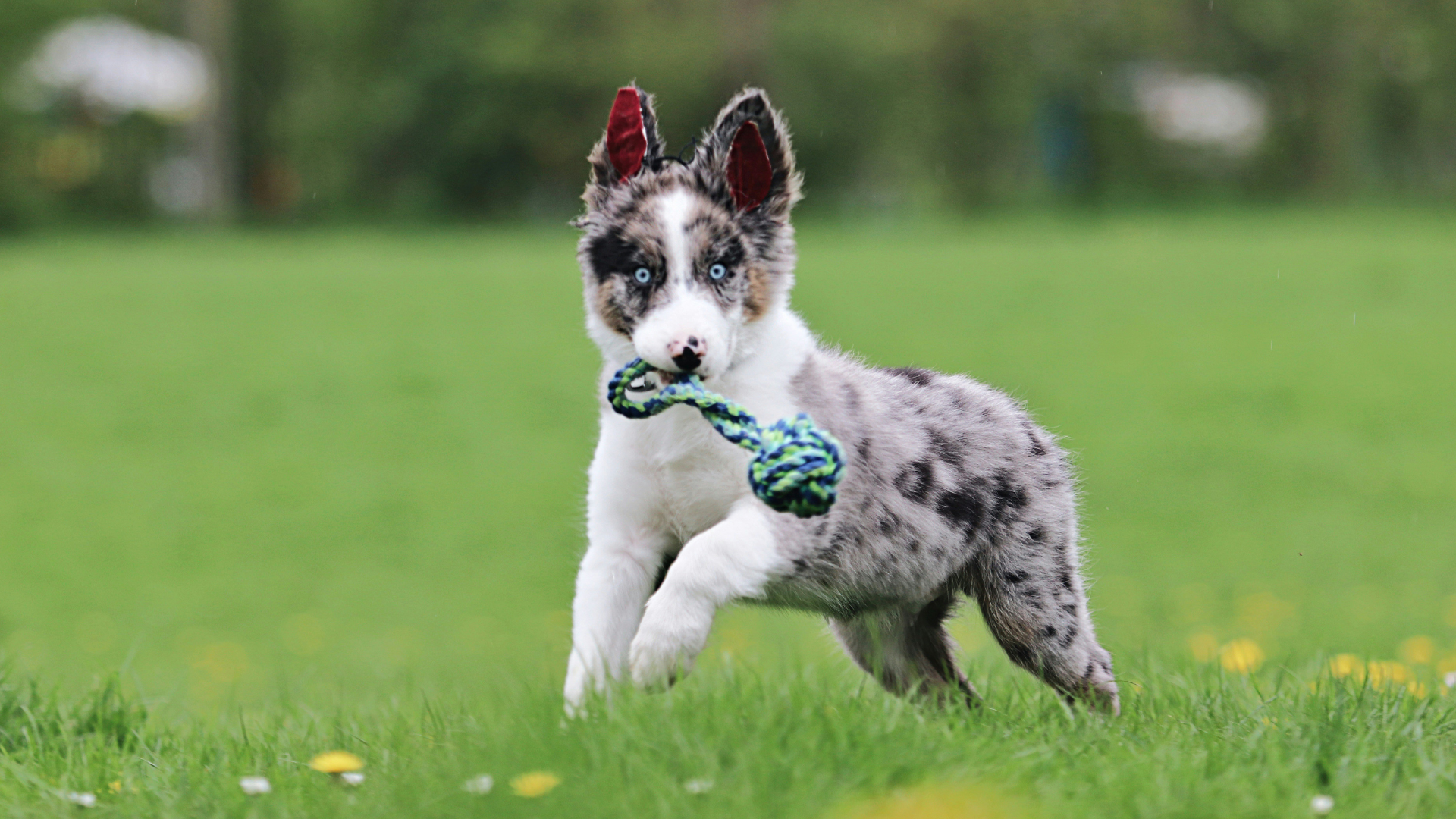
Image by Rafaella Waasdorp on Unsplash
Before Anything Else: Puppy-Proof Your Home
Think of this as seeing your home through four very small, very curious paws. Get down low and look around — what's chewable, climbable, or swallowable?
Inside the home:
- Secure electrical cords and tuck them out of reach
- Move cleaning products, medications, and chemicals to high shelves or locked cupboards
- Check for toxic houseplants (common culprits include peace lilies, philodendrons, and aloe vera)
- Decide which rooms are off-limits and set up baby gates or doors accordingly
- Remove small objects from floor level — puppies will chew anything
Outside the home:
- Check your fence line for gaps, loose boards, or spots a small pup could squeeze through
- Store garden chemicals, fertilisers, and tools securely
- Identify any toxic plants in your garden (azaleas, daffodils, and tomato leaves are ones to watch)
- Create a shaded, cool area for outdoor time
The Essential Gear List
Sleeping & Resting
- Crate — A crate is one of the best investments you can make. It gives your puppy a safe, den-like space of their own and is a cornerstone of both toilet training and night-time settling. Choose one large enough for your puppy to stand, turn around, and lie down comfortably — but not so large that they use one end as a toilet. Wire crates with a divider panel let you adjust the size as they grow. Read our guide on how to crate train your puppy.
- Bedding — A washable, soft pad or blanket for the crate. Have at least two on rotation for laundry days.
- Puppy playpen — Useful for creating a safe, contained zone when you can't directly supervise.
Feeding
- Separate food and water bowls — Stainless steel or ceramic are easiest to keep clean and won't harbour bacteria the way plastic can.
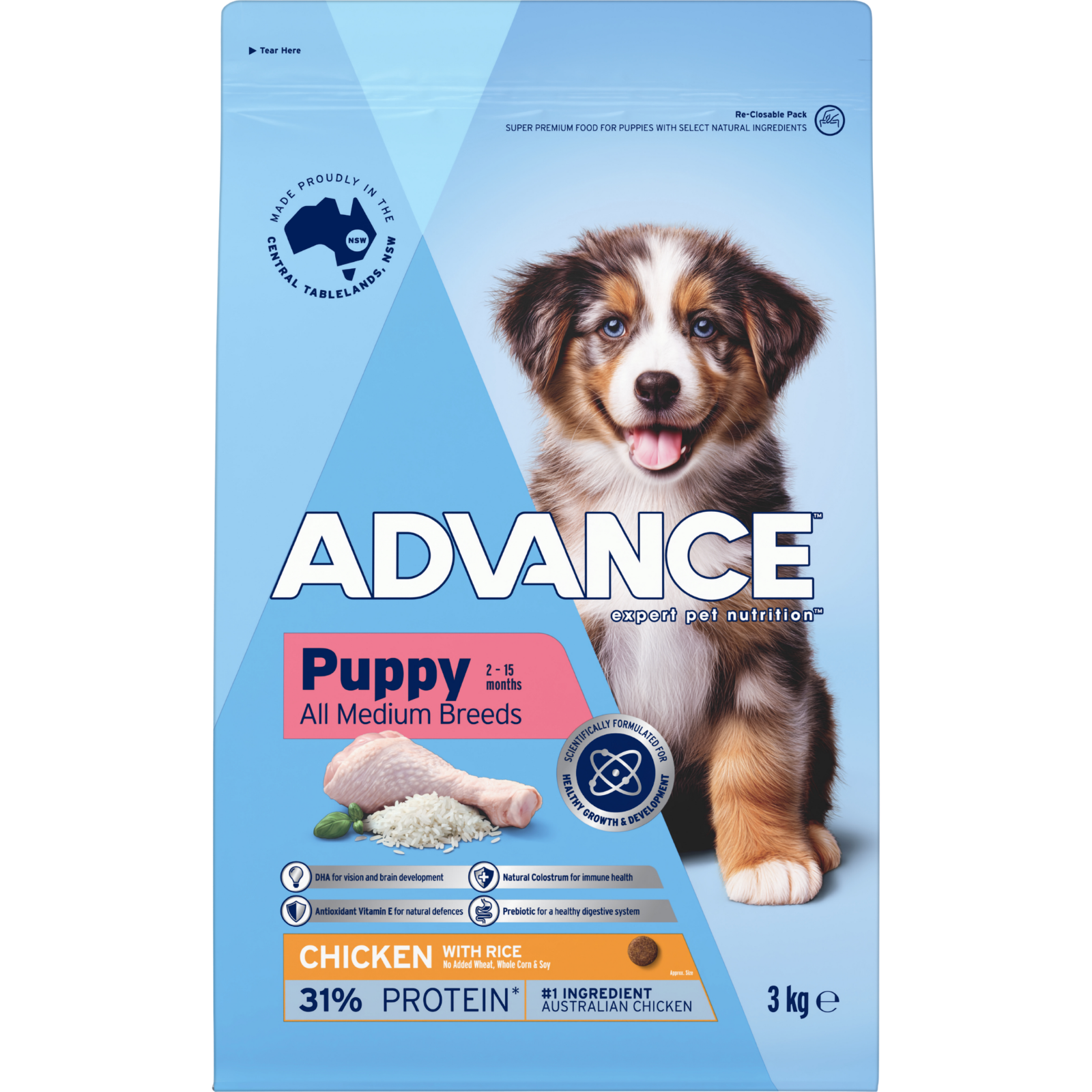
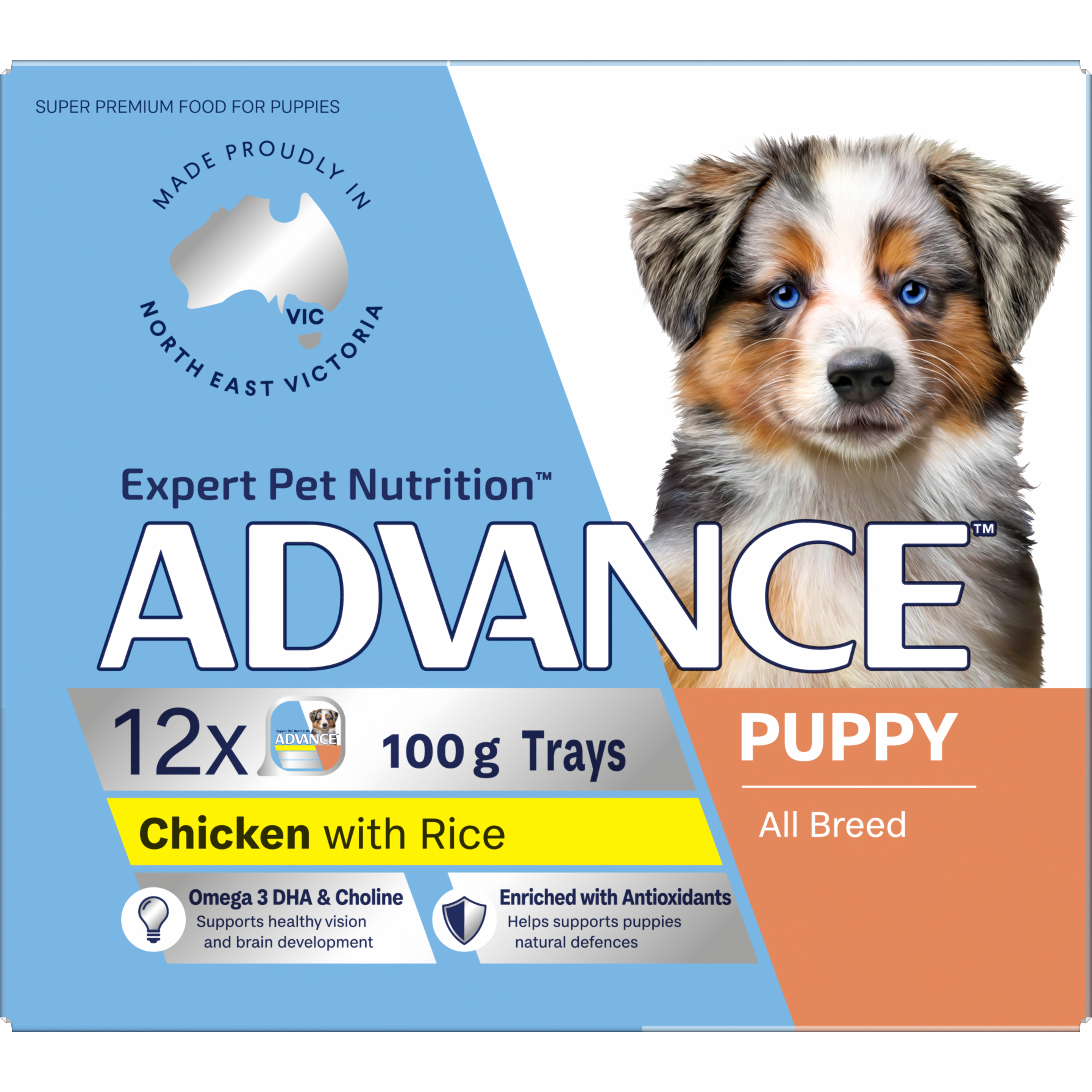
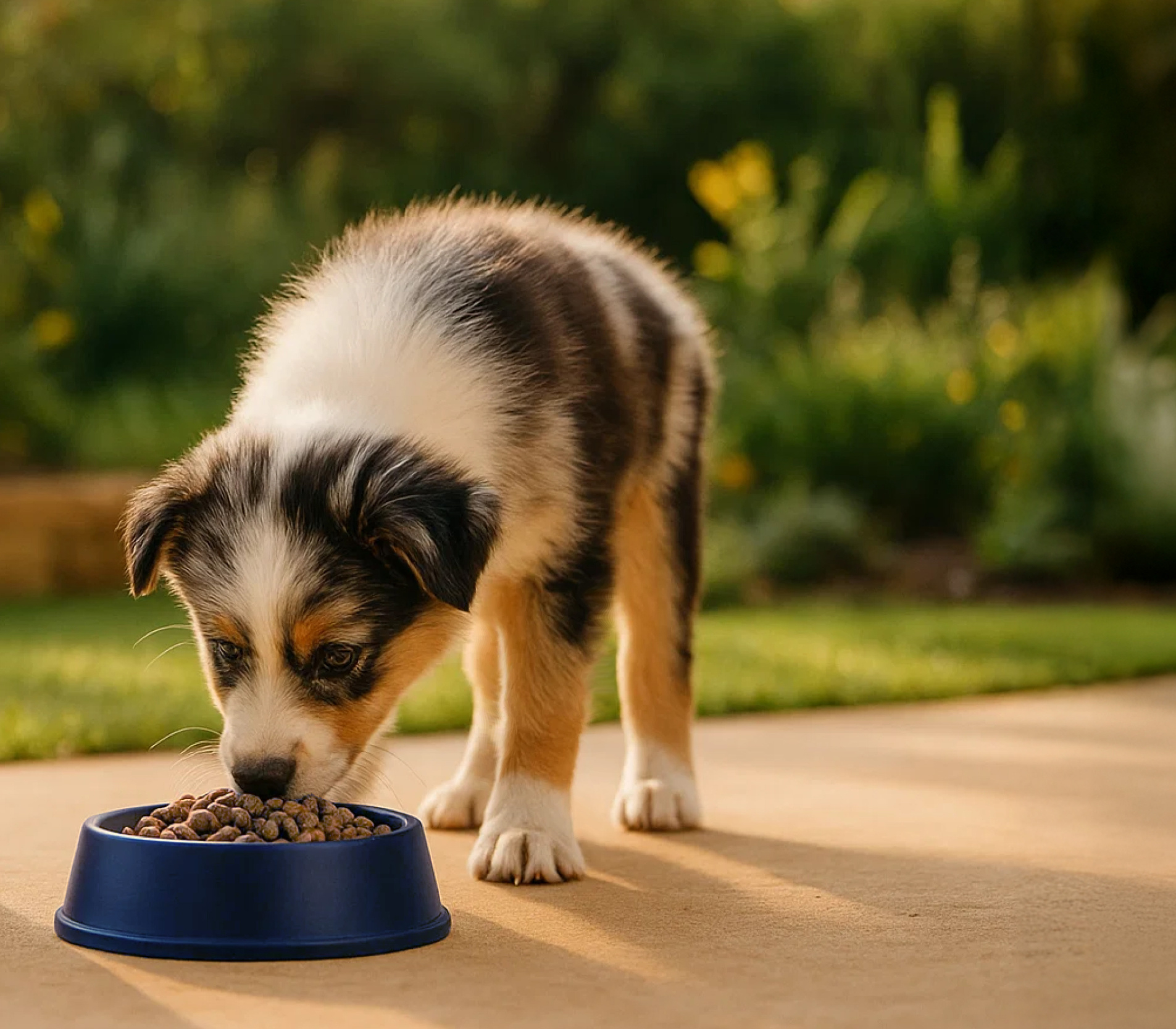
- Puppy food — Find out what your puppy has been eating before they come home and start with the same food. Changing diet in the first week adds unnecessary stress on their digestive system. When you're ready to transition, ADVANCE™ has Puppy Nutrition tailored by breed size — Small Breed (up to 10kg), Medium Breed (10–35kg), and Large Breed (over 25kg) — each formulated to support the specific growth needs of that size dog.
- Feeding mat — Keeps mess contained and is easy to wipe down.
Play & Enrichment
- Chew toys — Non-negotiable. Puppies explore the world with their mouths, and having an array of appropriate chew toys is your furniture's best friend. Look for toys with different textures and shapes. Rotate them regularly to keep things interesting.
- Interactive toys — Puzzle feeders are excellent for mental stimulation and can help with settling.
- Soft toy — A plush companion can be a comfort object, especially in the early nights.
Grooming
- Puppy brush — Choose based on your puppy's coat type. Starting grooming early builds positive associations that last a lifetime.
- Puppy shampoo — Use a product formulated for puppies — adult formulas can be too harsh for young skin.
- Nail clippers — Start getting your puppy used to having their paws handled early, even before you need to use them.
- Toothbrush and puppy-safe toothpaste — Dental habits start in puppyhood. The earlier you begin, the easier it becomes.
Identification & Safety
- Collar and ID tag — Your puppy's collar should fit snugly but allow two fingers to slip underneath. Check the fit weekly — they grow fast. An ID tag with your name and phone number is essential from day one.
- Microchip — In most Australian states, microchipping is compulsory before a puppy is sold or given away. Confirm it's been done and that your details are registered on the national database.
- Harness — Once your puppy is ready for walks, a well-fitted harness can reduce strain on their neck and give you better control.
- Leash — Start with a standard 1.2–1.8m leash. Avoid retractable leads for training — they send mixed signals about how far your puppy is allowed to roam. For help with leash training, check out our guide.
Travel
- Travel crate or harness — Puppies must be restrained in the car for their safety. A crate secured in the boot or back seat, or a crash-tested harness attached to a seatbelt, are both good options.
- Travel kit — Pack a small bag with water, a bowl, poo bags, and a towel for the first trip home.
Before You Bring Them Home: The Admin List
Choose Your Vet
Do this before your puppy arrives. Research vets in your local area, check reviews, and book a health check appointment for within the first week of bringing your puppy home. Your vet will confirm vaccination status, discuss parasite prevention, and answer any early questions.
Understand Their Vaccination Status
Your puppy should have had their first vaccinations by the time they come home (typically at 6–8 weeks). Make sure you receive their vaccination certificate from the breeder or shelter, and know when the next round is due. Until their vaccination course is complete (usually around 16 weeks), keep them away from public areas where unknown dogs have been.
Read more in our guide to keeping your puppy healthy before their vaccinations.
Choose Their Name
Ideally before they arrive — so every interaction from the first minute uses it, and make sure all family members are using the same name consistently.
Establish the House Rules
Puppies learn fastest when everyone in the household is consistent. Before they arrive, agree as a family on the rules: which rooms are allowed, whether they're permitted on furniture, who feeds them and when. It sounds simple, but inconsistency is one of the most common reasons training takes longer than it needs to.
Find a Puppy School
Puppy school isn't just about teaching commands — it's one of the most valuable socialisation experiences your puppy can have. Classes run by qualified trainers using reward-based methods give your puppy positive exposure to new people and other dogs during the critical socialisation window (up to around 16 weeks). Book early — good classes fill up fast.
The Day They Arrive: Quick Reminders
- Keep the first day calm and low-key. Resist the urge to invite all your friends and family over immediately — your puppy is processing a lot.
- Show them their sleeping area, water bowl, and outdoor toilet spot first.
- Supervise all introductions to children and other pets carefully.
- Let them explore at their own pace rather than carrying them everywhere.
- Expect some crying or unsettledness on the first night — this is completely normal. Their whole world has just changed.
A Note on Nutrition From Day One
What you feed your puppy in their first year shapes their health for the rest of their life. Puppies require significantly more energy per kilogram of body weight than adult dogs — and their nutritional needs differ depending on breed size, because small, medium, and large breed puppies grow at very different rates and have different bone and joint development needs.
ADVANCE™ Puppy Nutrition is developed in partnership with the Waltham Petcare Science Institute and made in Australia using locally sourced ingredients. Each formula contains Natural Colostrum to support digestive health, Omega 3 DHA and Choline for healthy brain and vision development, and Antioxidant Vitamin E for immune support.
When you're ready to transition your puppy to ADVANCE™ Pet Food, do it gradually over 5–7 days to give their digestive system time to adjust.