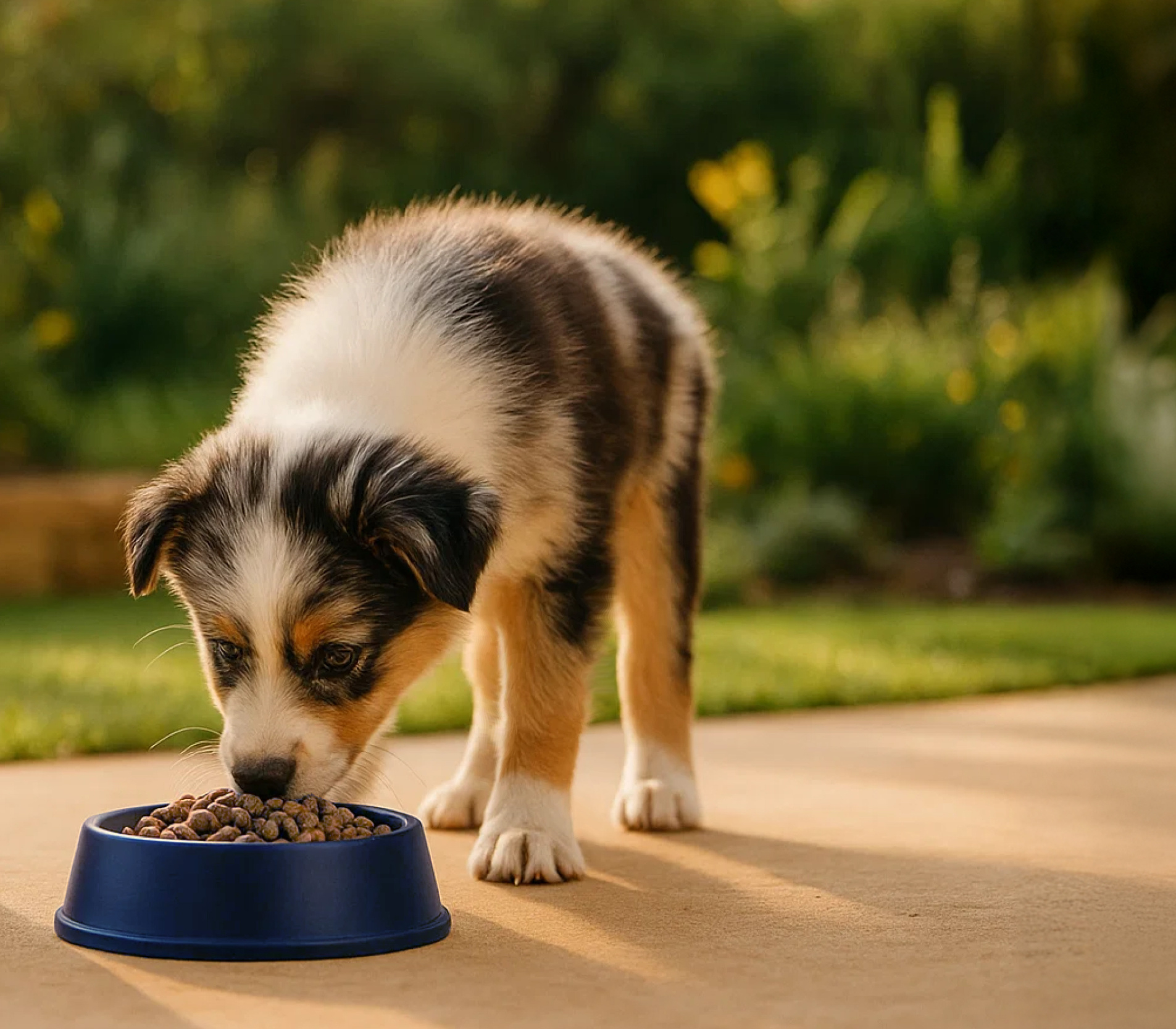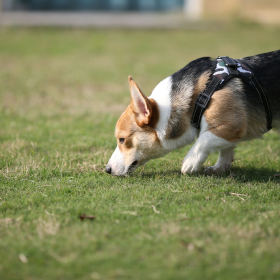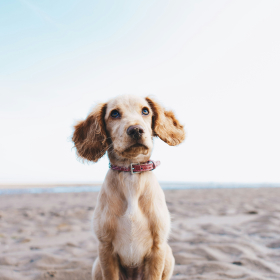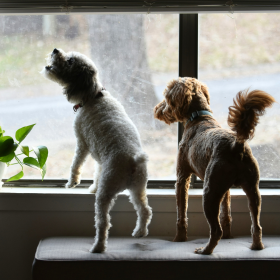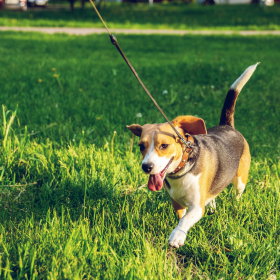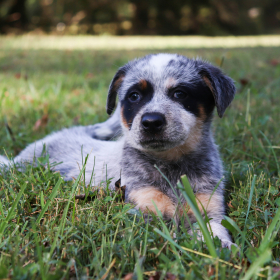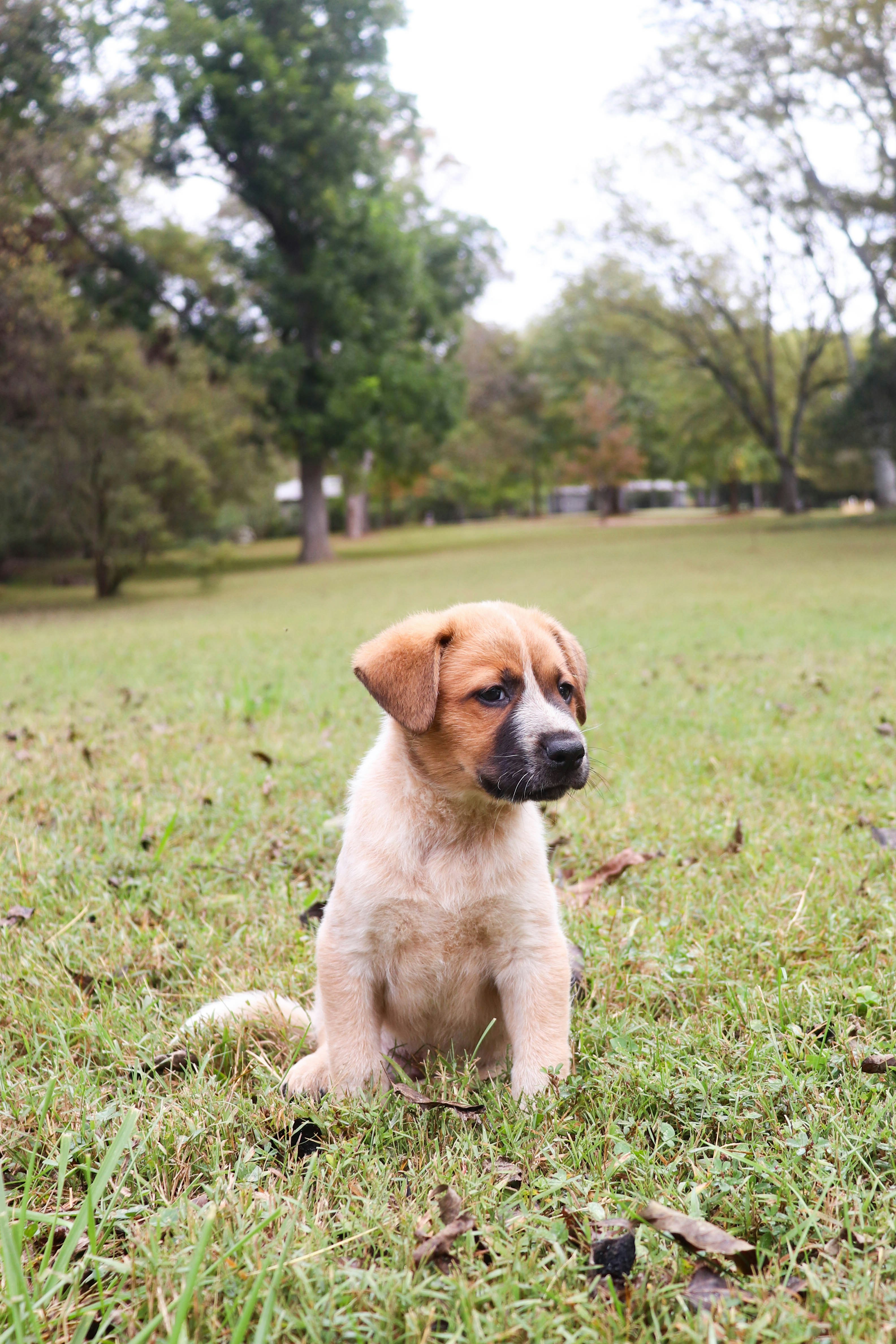
Photo by Laura Roberts on Unsplash
Toilet training your puppy is a process that takes time and patience. Like all training, it should be based on a positive, reward-based method — every puppy is unique, and they all learn at their own pace. The good news: with a predictable routine built around your puppy's small bladder, most puppies are reliably house-trained within a few months.
Why a routine is the real secret
Your puppy has a small bladder and bowel, so they'll need to be taken outdoors regularly — otherwise accidents will happen. Supervision and regular trips to the toilet area are the two keys to success. Ideally, you want to avoid mistakes before they happen, because every accident indoors quietly teaches the wrong habit.
The most reliable approach is simple: take your puppy out frequently, reward them the moment they get it right, and keep the whole household consistent. It's less about clever tricks and more about steady, patient repetition.
How to toilet train your puppy, step by step
Step 1: Take your puppy out every hour during the day
In the early stages, take your puppy outside every hour while they're awake, plus immediately after waking, eating, drinking, playing, or any exciting event. Frequent trips set them up to succeed — and give you far more chances to reward the right behaviour.
Step 2: Watch for the signs
Learn your puppy's tells. Common signs they need to go include sniffing, walking away or in circles, scratching at the floor, waiting by the door, or restlessness. The moment you see these, calmly take them outside.
Step 3: Praise and reward immediately
When your puppy relieves themselves in the right spot, praise and reward them straight away — ideally within three seconds. Timing matters: the reward needs to land right after the deed so your puppy connects the two.
Step 4: Set up the right toileting area
Create a toileting area away from your puppy's bed, as puppies naturally want to toilet away from where they sleep. Use whatever surface your puppy will be toileting on long-term — for grass, a litter tray containing turf works well; for urban living, a tray with a concrete surface.
Step 5: Practise in all weather — yes, including rain
Teach your puppy that it's possible to go to the toilet outside even when it's raining or the grass is wet. That means you'll need to take them out in the rain and wait until they go — then praise and reward for a job well done. Puppies who only ever toilet in perfect weather can become reluctant when it isn't.
Step 6: Handle the night shift
Young puppies will need to be taken outdoors to toilet at least every 2 to 3 hours during the night, so set your alarm for the next few weeks. As bladder control matures, those nighttime breaks stretch out and eventually disappear.
How long can a puppy hold their bladder?
A widely used rule of thumb: a puppy can hold their bladder for roughly one hour per month of age, plus one. So a 2-month-old puppy manages about 2–3 hours maximum, while a 6-month-old can typically hold for around 6 hours. Remember this is a ceiling, not a target — many puppies need to go more frequently, especially after meals, play, or excitement.
Overnight stretches may be slightly longer, but young puppies still need scheduled toilet breaks.
How long does toilet training take?
Some puppies grasp the basics within a few weeks; others take longer, especially if they're very young, easily distracted, a small breed, or have previously been pad-trained. Most puppies understand the routine within 7–14 days of consistent effort, but full reliability — no accidents for weeks at a time — typically takes 3–6 months. Small and toy breeds may take up to 8–12 months for full reliability because of their smaller bladder capacity. Progress matters more than perfection.
A few essentials to remember
- Consistency across the household — every family member needs to follow the same routine, cues, and rewards. This helps your puppy learn faster.
- Patience and a sense of humour — if you can keep yours during this period, that's a genuine advantage.
- Clean accidents with an enzymatic cleaner — ordinary cleaners can leave behind scent that invites repeat performances; enzymatic products break down the odour molecules.
- Never punish accidents — your puppy isn't being naughty; they're still learning. Punishment only creates confusion and fear, and can damage trust.
Toilet training is one of the smallest routines you'll build with your puppy — and one of the biggest difference-makers in their everyday confidence and wellbeing.
You're well on your way
Toilet training is a milestone worth celebrating — and there's plenty more to learn. For more expert advice on every stage of your puppy's journey, explore our full library of ADVANCE™ Pet training guides.