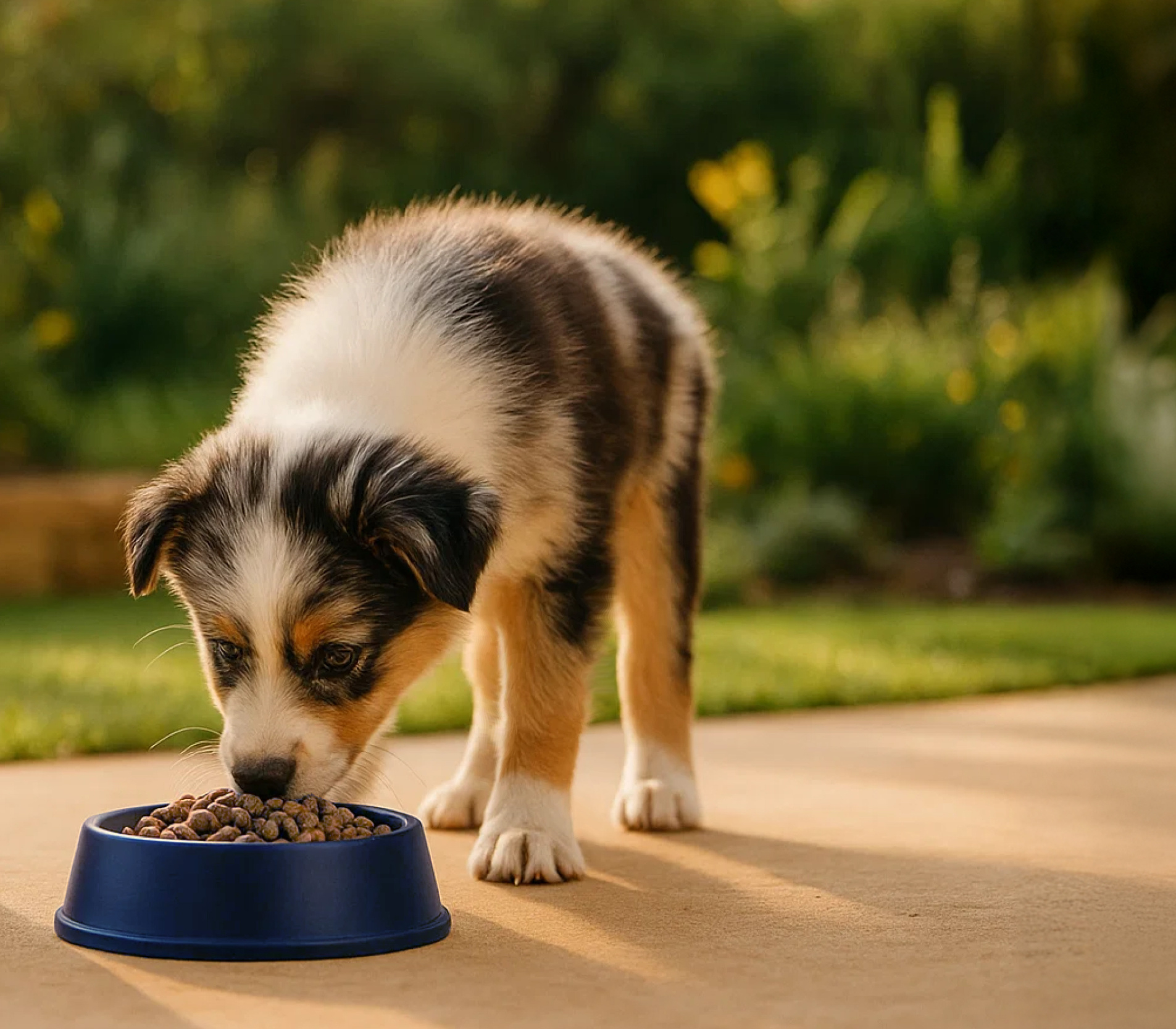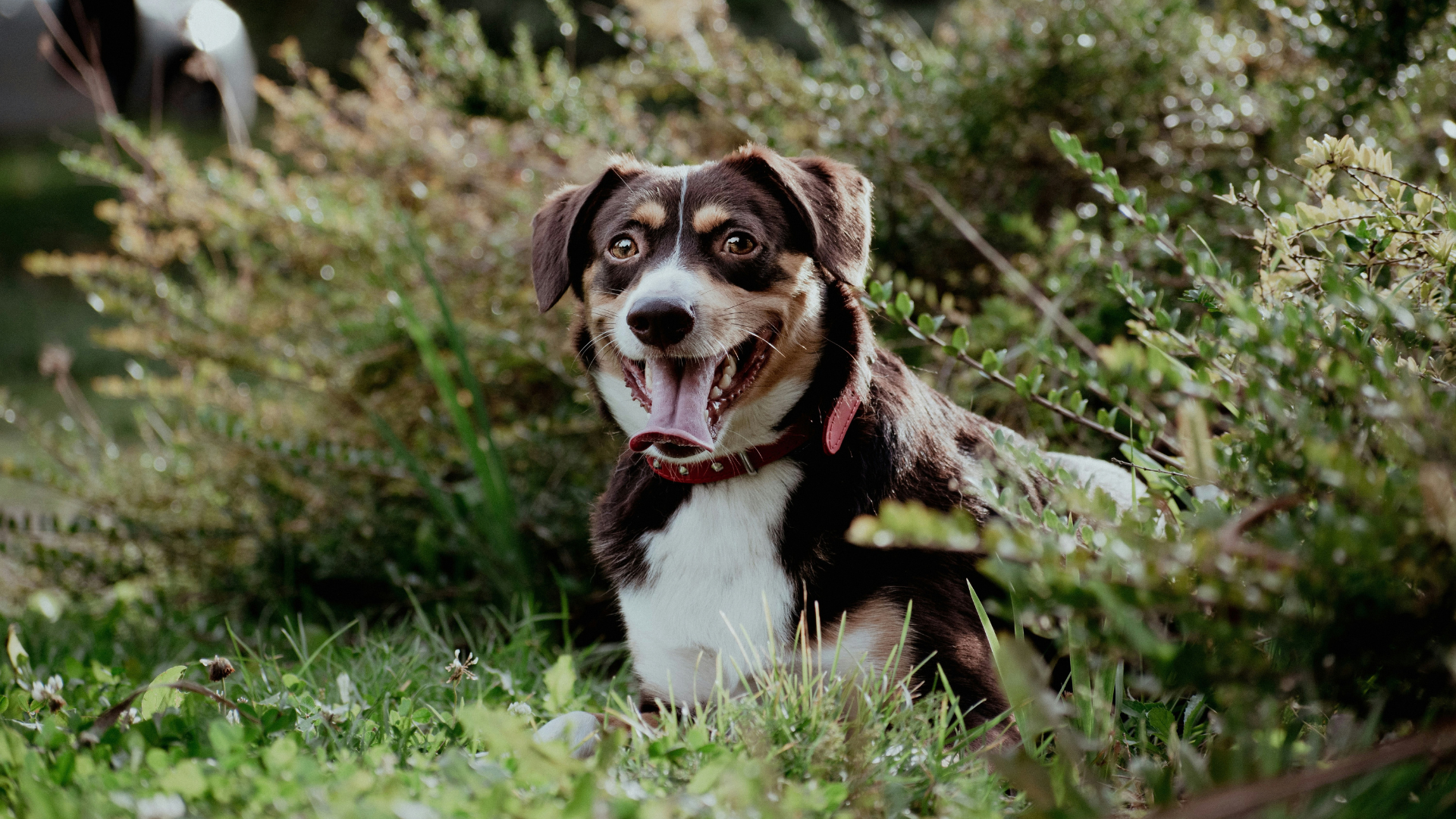
Image by Aleksandra Lesniak on Unsplash
Here is something worth pausing on: a Great Dane puppy can put on up to 1 kg of body weight every single week during their growth spurt. A Chihuahua puppy? Closer to a few grams. Same species, wildly different timelines.
That gap tells you something important. Puppy food is designed to fuel explosive growth, and adult food is designed to maintain it. When you switch is really a question of when the growth is done — and large dogs keep growing for nearly twice as long as small ones.
Why timing matters
Puppy food is energy-dense and rich in the protein, calcium, and phosphorus a growing body needs to build bone and muscle. That is exactly right for a puppy — but keep a fully-grown dog on puppy food too long and you are overfeeding calories and minerals their body no longer needs. The result can be unwanted weight gain and, in larger breeds, stress on developing joints. Switch too early and you risk shortchanging a puppy who still has growing to do.
The sweet spot is the window where your dog has reached their adult height and their growth plates are closing. For small breeds that happens around 12 months. For medium breeds around 15 months. And for large breeds, not until 21 months — because their skeleton is still catching up to their paws.
| Breed size | Adult weight | Switch to adult food at |
| Small breed | Under 10 kg | 12 months |
| Medium breed | 10–25 kg | 15 months |
| Large breed | 25 kg+ | 21 months |
Why large breeds take so much longer
It comes down to the physics of growth. A small breed dog may reach their adult size in under a year. A large breed dog is still building a much bigger frame — more bone, more muscle, more connective tissue — and that takes time.
Large breeds also grow differently. Their growth curve is longer and flatter, which means they need sustained, controlled nutrition for many more months. Rush them onto adult food too soon and you can disrupt that careful growth pattern. Leave them on puppy food too long and the excess energy can outpace their needs.
This is why ADVANCE™ offers breed-size-specific recipes — the nutritional needs of a growing Labrador and a grown-up Labrador are not the same, and neither are the needs of a Maltese and a Mastiff.
Signs your dog is ready for adult food
The age table is your primary guide, but your dog will give you signals too. Look for:
- They have reached their adult height — growth in height slows or stops.
- Their weight is holding steady — not creeping up week on week.
- Their body shape is changing — the lanky, all-legs puppy look gives way to a fuller, more proportioned adult frame.
- Their appetite is settling — they are less ravenous and more consistent.
- Their energy is steady — fewer puppy zooms, more sustained activity.
If you are unsure — particularly with a crossbreed whose adult size is hard to predict — your vet is the best second opinion you can get.
How to transition: the 7-day guide
This is the part that trips people up, so here is the generous version: transitioning is not hard, it just takes a little patience. Sudden switches can upset your dog’s stomach. A gradual transition over seven days lets their digestive system adapt.
| Day | Puppy food | Adult food |
| Day 1–2 | 75% | 25% |
| Day 3–4 | 50% | 50% |
| Day 5–6 | 25% | 75% |
| Day 7 | 0% | 100% |
Tips for a smooth switch
- Keep the same feeding schedule — same times, same place, same bowl. Only the food is changing.
- Watch the stools — loose stools mean slow down. Add an extra day at the current ratio before moving on.
- Don’t add extras — no treats or table scraps during the transition. You want a clean read on how the new food is sitting.
- Measure portions — adult food may have a different calorie density than puppy food. Check the feeding guide on the pack and adjust to your dog’s adult weight.
- For sensitive dogs — stretch the transition to 10–14 days, moving in smaller increments. Some dogs simply need a gentler on-ramp.
Which ADVANCE™ adult food is right for your dog
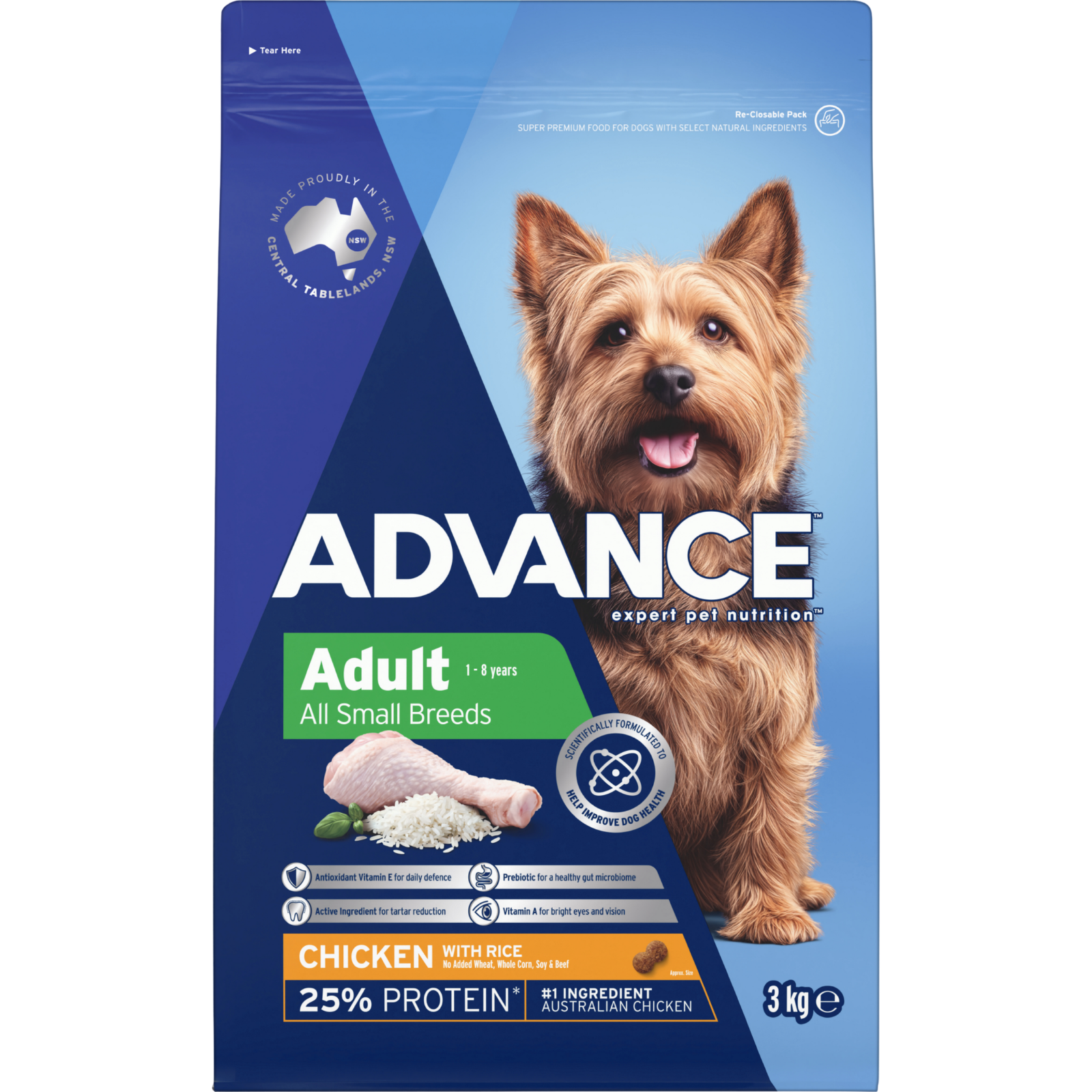
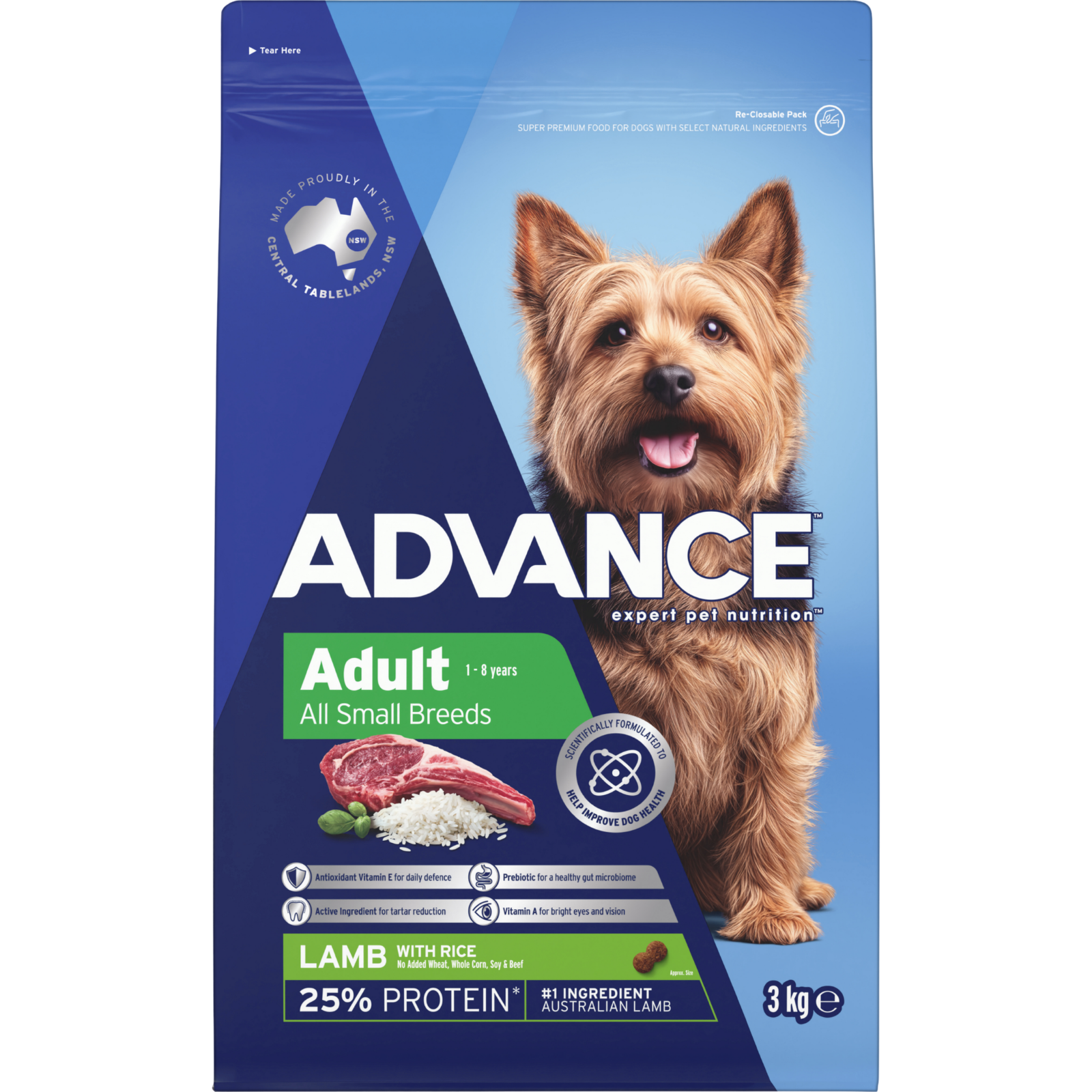
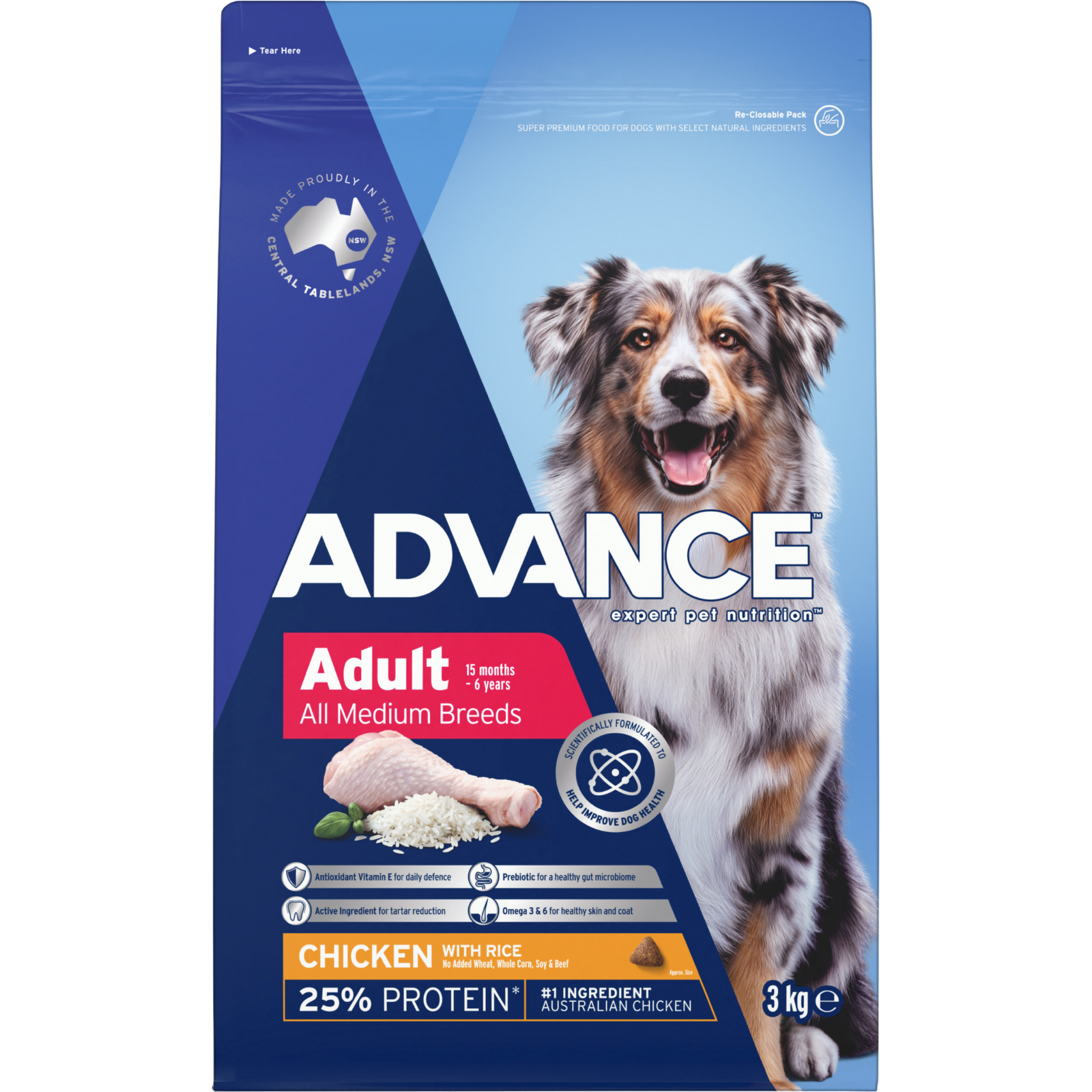
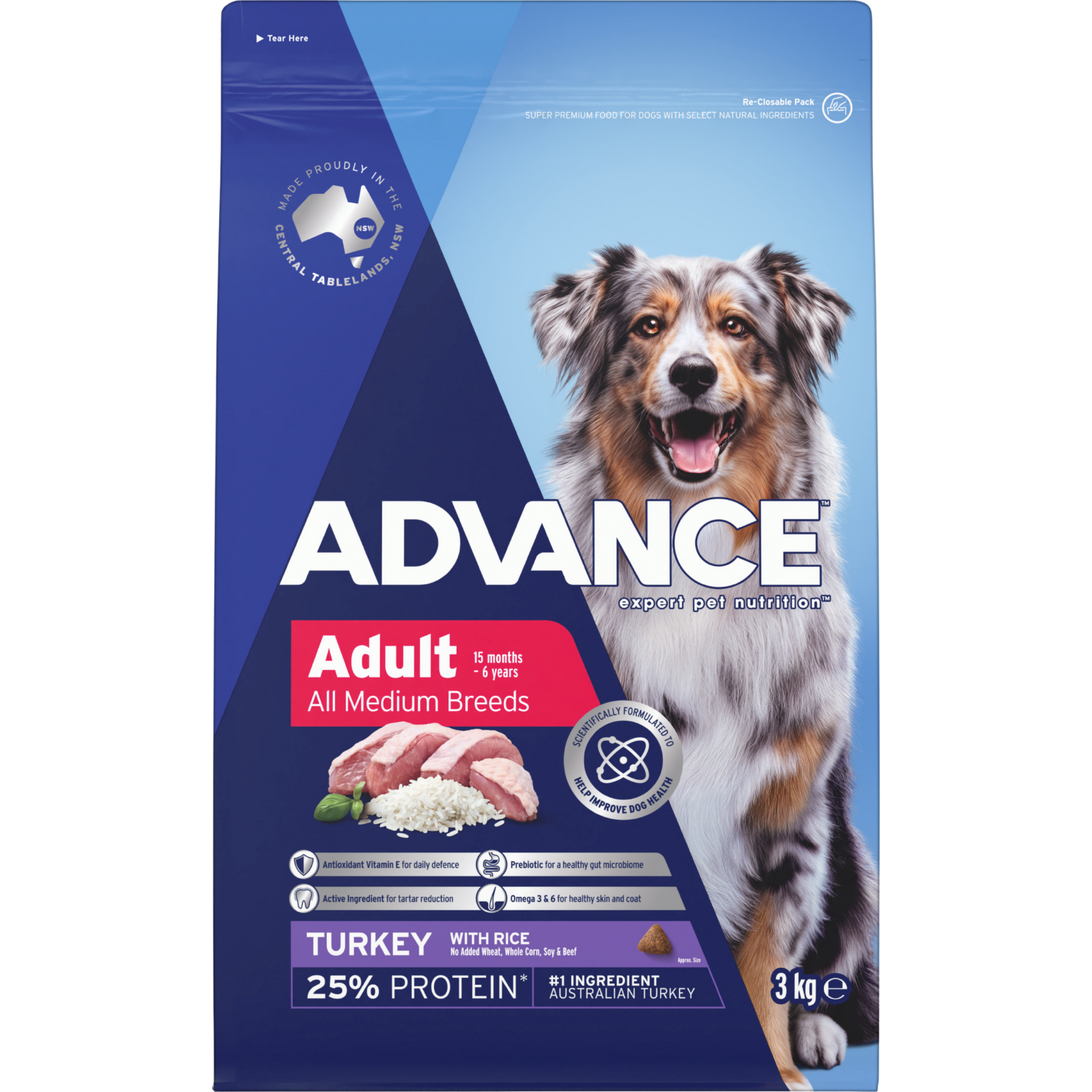
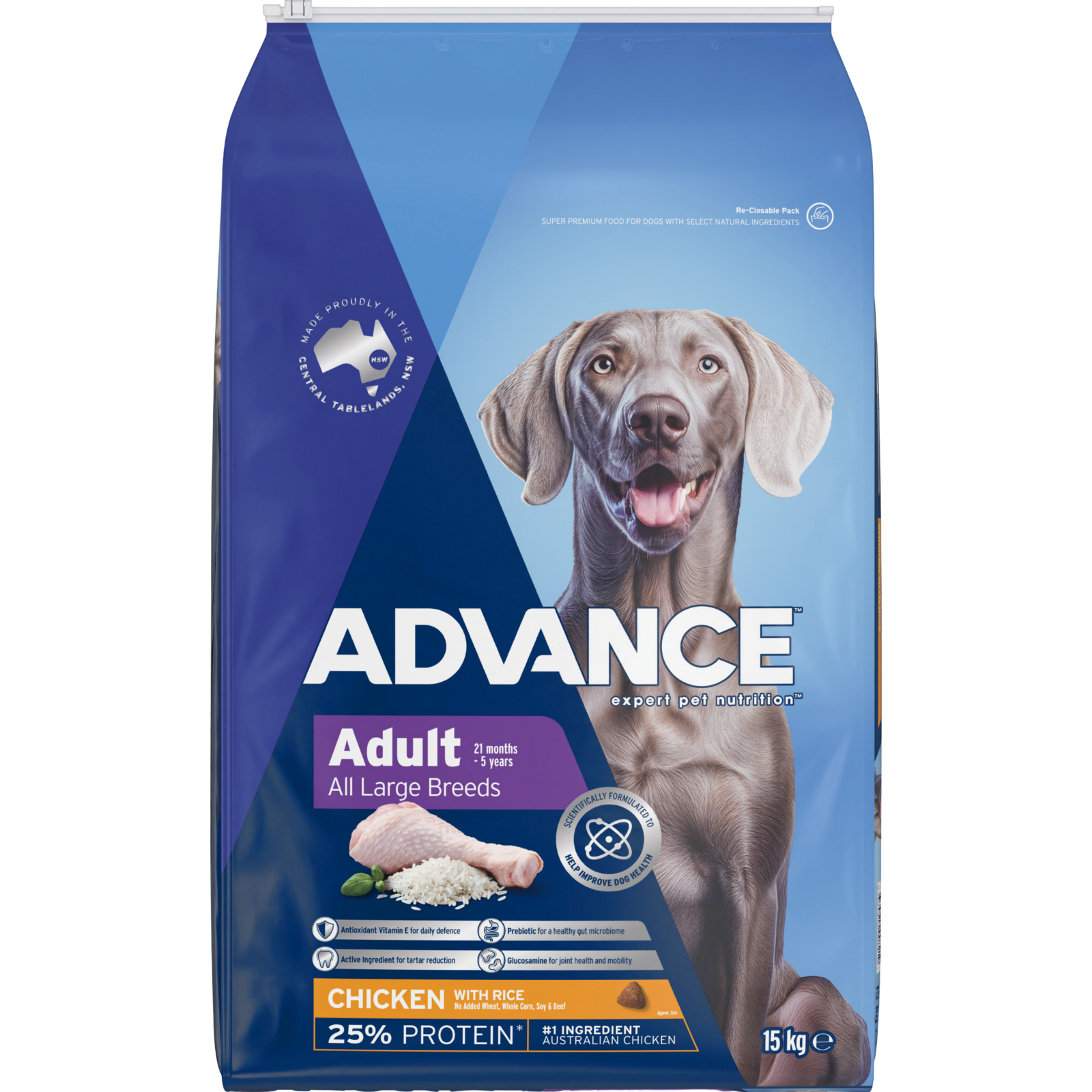
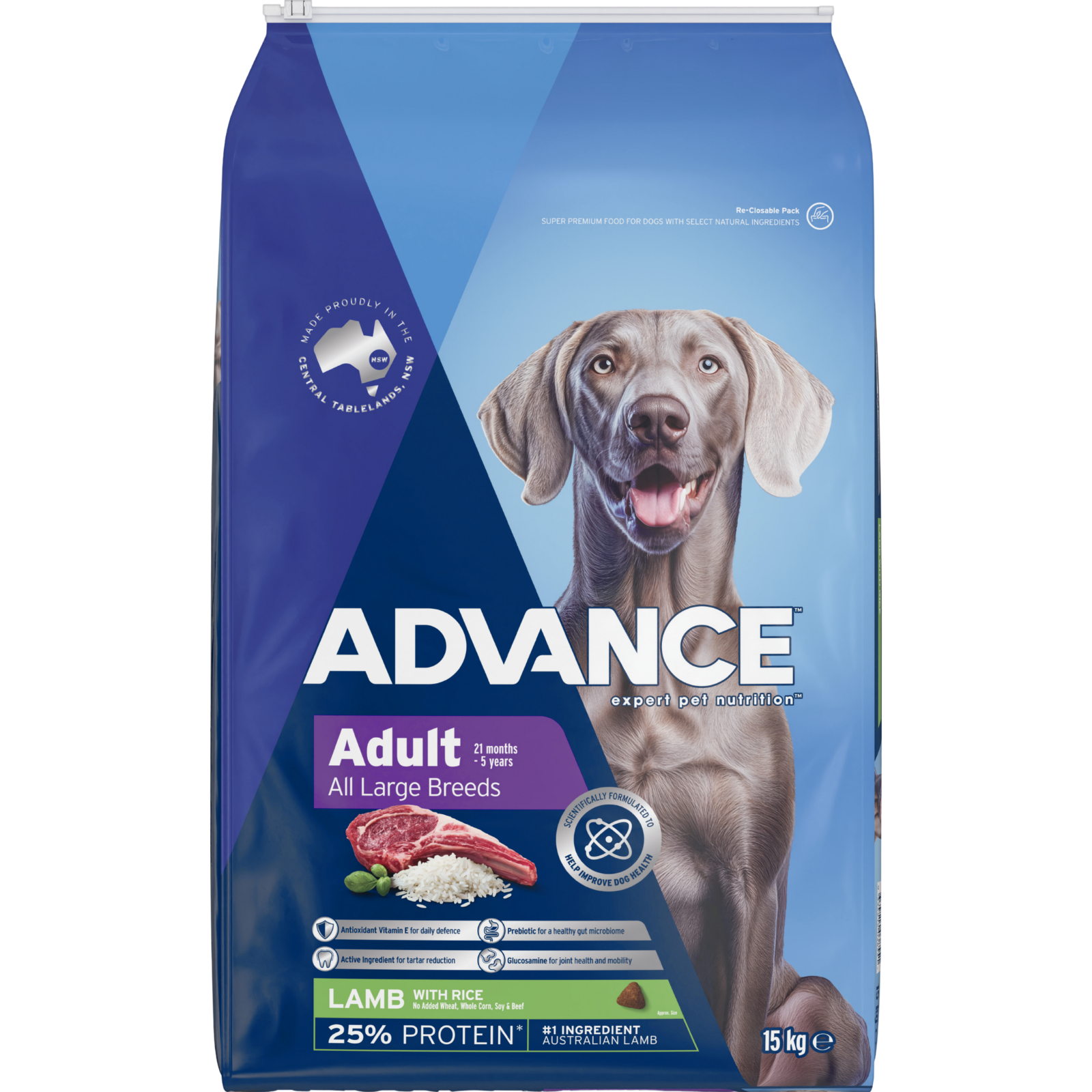
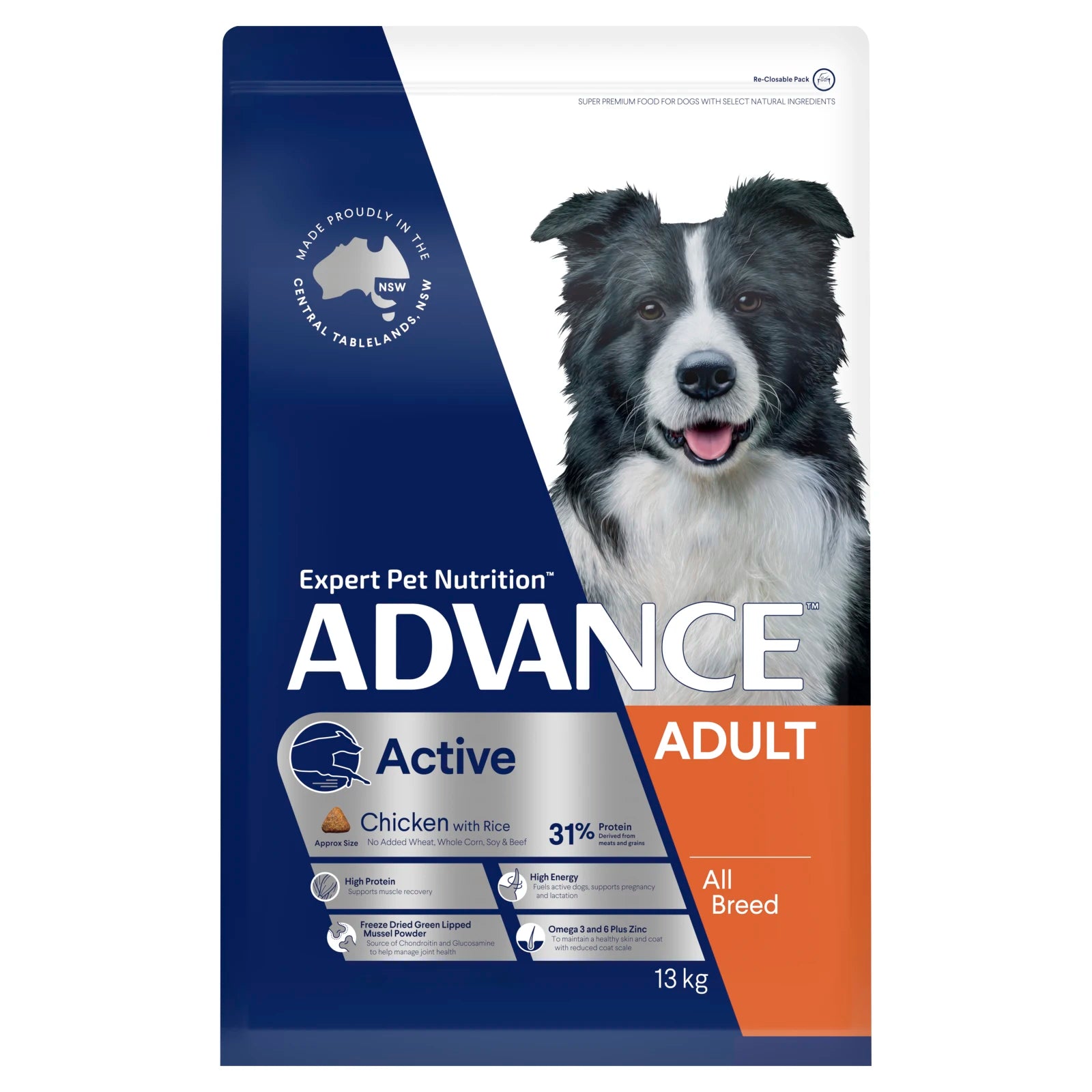
Once you have made the switch, it's time to choose the recipe that fits your dog. ADVANCE™ adult recipes are tailored by breed size, so the kibble shape, calorie density, and nutrient balance all match your dog’s build and needs.
For small breeds (under 10 kg)
ADVANCE™ Adult Small Breed Dry Food is made with smaller kibble for easier chewing and is packed with nutrients, antioxidants, and prebiotic fibres to support dental health, a balanced gut, and a shiny coat.