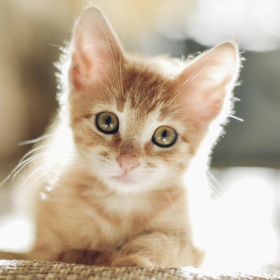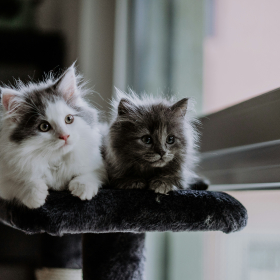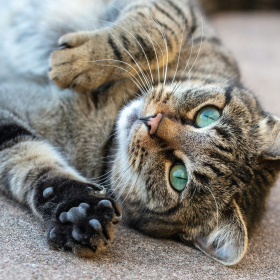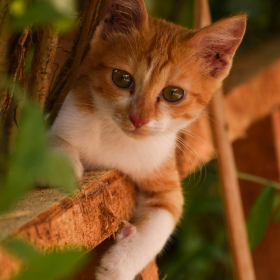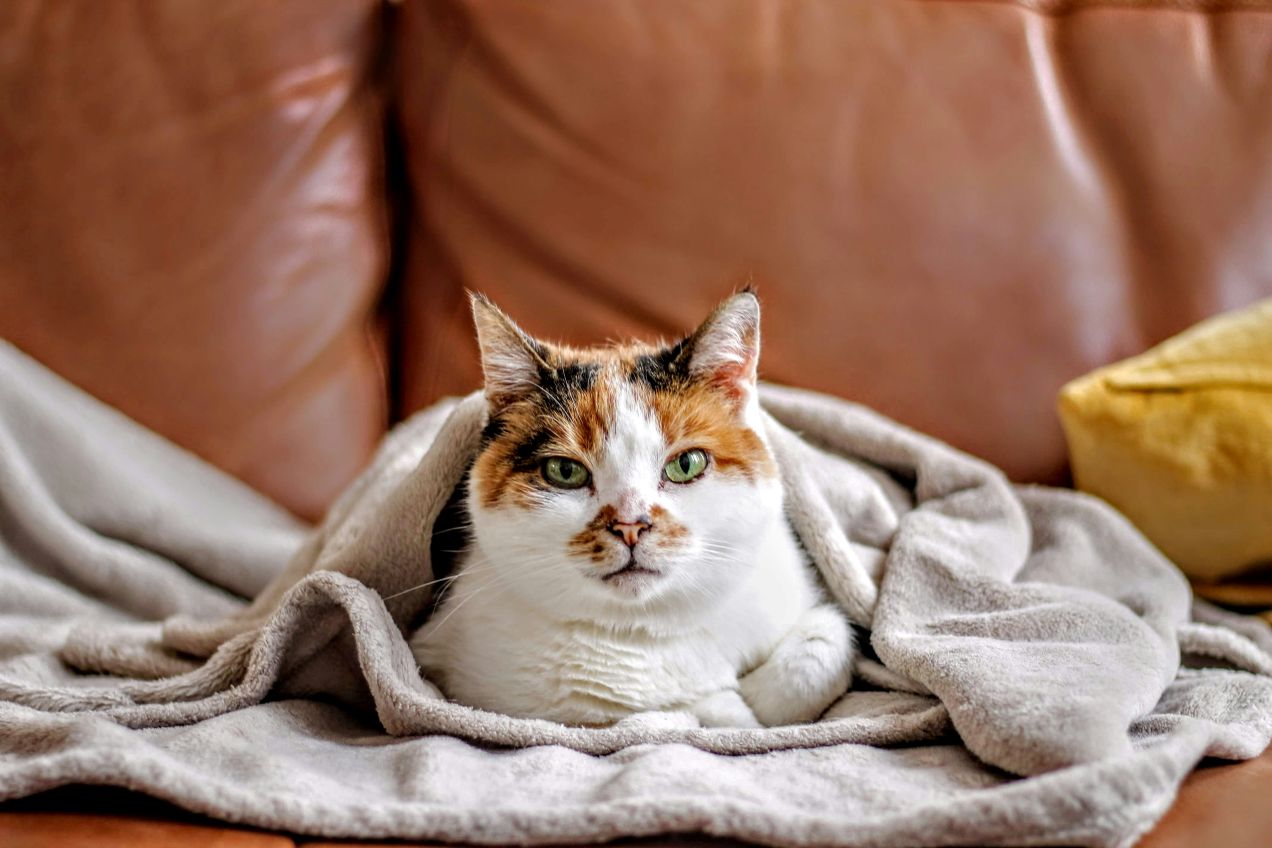
Photo by Tim Oliver on Unsplash
Why winter is harder on senior cats
Cats are excellent at hiding discomfort — it's baked into their instincts. But that doesn't mean they aren't feeling it. As cats age, their bodies become less efficient at regulating temperature, metabolising nutrients, and managing the wear and tear on their joints. Cold weather tightens that equation on every front.
Older cats naturally have less muscle mass to generate their own warmth, which means they rely more heavily on their environment and their diet to stay comfortable. At the same time, the cold can trigger or worsen joint stiffness, making your cat appear suddenly less active, reluctant to jump up to their favourite spot, or slower to get going in the morning.
This isn't just "showing their age". These are real physiological signals that your senior cat needs more considered support — and winter is the season when that support matters most.
What senior cats actually need in winter
The nutritional needs of a senior cat are genuinely different from those of a younger adult cat — and those differences are amplified during the cooler months.
Quality protein is everything. Senior cats are less efficient at processing protein, which means they need more of it to maintain muscle condition and support immunity. A diet with high-quality, easily digestible protein helps counteract the natural muscle loss (sarcopenia) that comes with age, keeping your cat stronger and warmer through winter.
Joint-supporting nutrients become more important. Omega-3 fatty acids, glucosamine, and key antioxidants work together to reduce inflammation and support joint mobility. In winter, when stiffness is more pronounced, these nutrients are particularly valuable.
Calories for warmth. Keeping warm takes energy. Some senior cats — particularly those who spend more time outdoors or in cooler rooms — may need slightly more food in winter to maintain a healthy weight and support thermoregulation. Conversely, less active indoor cats may need portion management to avoid weight gain. Your cat's ideal winter intake is all about their individual lifestyle.
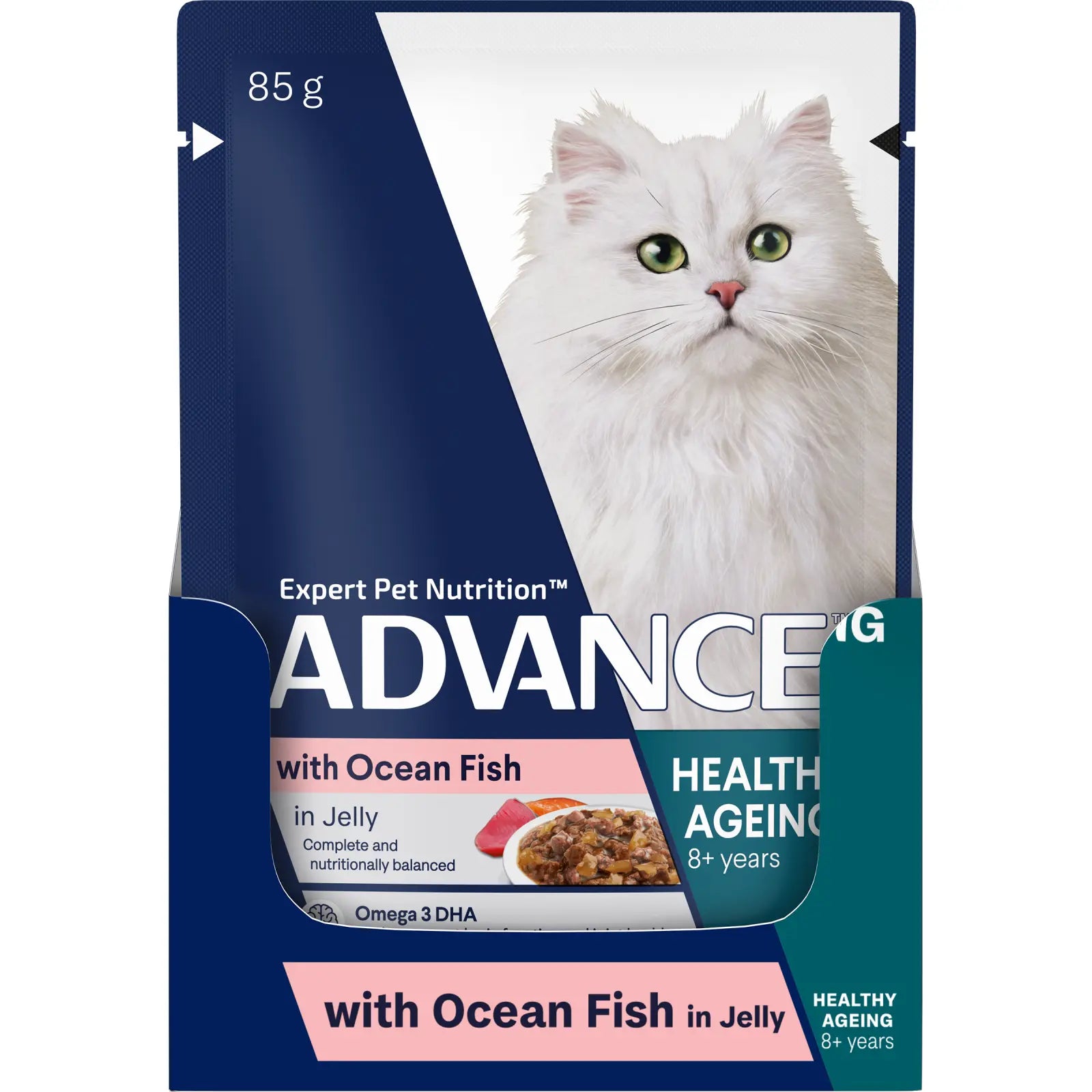
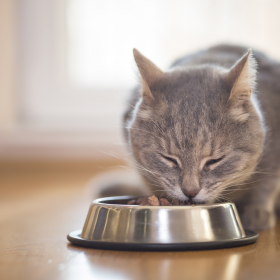
Hydration still counts. Cats are notoriously poor water drinkers at the best of times, and cold weather tends to push them even further from the water bowl. Wet food (or a combination of wet and dry) can help maintain hydration levels, which supports kidney function and overall health in older cats.
Read article: Tips to get your cat to drink more water
How ADVANCE™ Pet Food is made to support senior cats
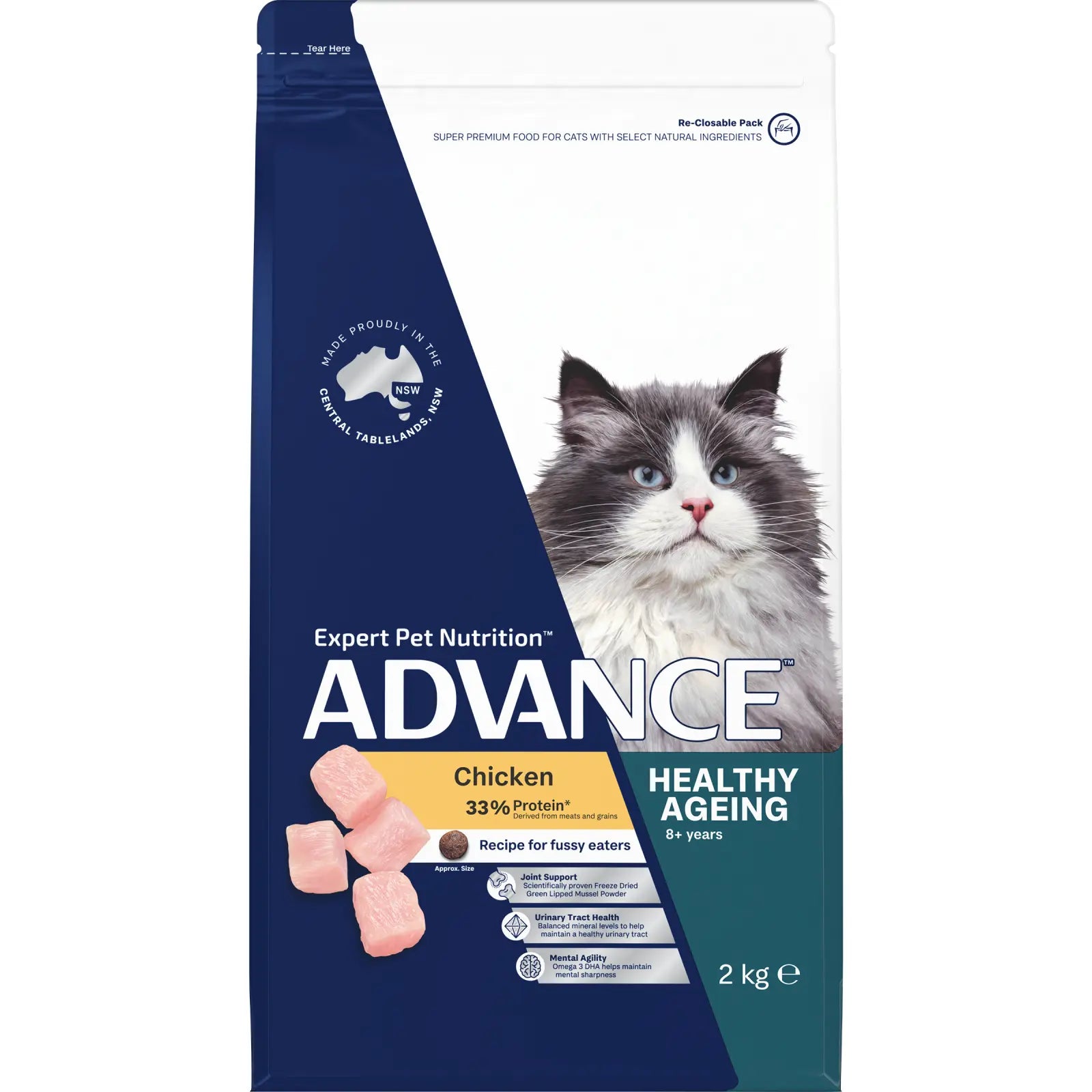
The ADVANCE™ Healthy Ageing Cat Food range is formulated around the specific nutritional profile that older cats require — not a one-size-fits-all adult formula with a different label, but a genuinely tailored recipe built from the evidence up.
Each complete and balanced serve is crafted with high-quality protein to support lean muscle maintenance, omega-3 fatty acids to promote joint support and mobility, and antioxidant-rich ingredients to support a healthy immune system — the very system that works hardest during the colder months.
ADVANCE™ Healthy Ageing Cat Food recipes are also designed for digestibility. As cats age, their digestive efficiency naturally declines, which means even the best ingredients need to be in a form the body can actually use. Our formulations account for this — so the nutrients listed on the pack are the nutrients actually going to work inside your cat.
Practical winter care tips for senior cats
Good nutrition is the foundation, but winter care for senior cats goes a step further.
Create warm resting spots. Older cats feel the cold more acutely. Give them a few elevated, draught-free spaces, especially away from tiled or hard floors, which conduct cold. A fleece blanket or a self-warming pet bed makes a meaningful difference.
Stick to routine. Senior cats are creatures of habit, and disruption can cause stress that compounds the physical challenges of winter. Feed at the same times each day and keep their environment as consistent as possible.
Warm their food slightly. Cold food is less aromatic and less palatable, especially for older cats, whose sense of smell may have diminished with age. Slightly warming wet food (to no more than body temperature) can encourage a better appetite on cold days.
Schedule a winter vet check. Winter is a good time to book a senior health check. Your vet can assess joint health, weight, kidney function, and coat condition — all of which can change seasonally in older cats.
Watch for behavioural changes. If your senior cat becomes more withdrawn, stops grooming effectively, loses interest in food, or seems stiff first thing in the morning, these are signals worth investigating. Cold weather alone doesn't explain everything.
Frequently Asked Questions
What age is a cat considered senior?
Cats are generally considered senior from around 8 years of age. From this point, their nutritional needs shift and they benefit from food formulated specifically for older cats, like the ADVANCE™ Healthy Ageing Cat Food range.
Do senior cats need more food in winter?
Not necessarily — it depends on your cat's lifestyle, weight, and activity level. Some senior cats that spend time outdoors or in cool environments may need a little more food to maintain warmth and body condition. Others may need portion management. Transitioning to a senior-specific formula is the most important step, as it delivers the right nutrient balance for the season.
Can cold weather make a senior cat's joint pain worse?
Yes. Cold temperatures can increase joint stiffness and inflammation in older cats, particularly those with arthritis. A diet rich in omega-3 fatty acids and glucosamine, like ADVANCE™ Healthy Ageing Dry Cat Food, can help support joint mobility during the cooler months.
What should I feed my senior cat in winter?
A high-quality senior cat food formulated with digestible protein, joint-supporting nutrients, and immune-boosting antioxidants is ideal. ADVANCE™ Healthy Ageing Cat Food is specifically designed to meet these needs. A combination of wet and dry food can also help with hydration during winter.
How can I tell if my senior cat is too cold?
Signs your cat may be feeling the cold include seeking out unusually warm spots, curling more tightly when resting, reluctance to move, increased stiffness, and reduced appetite. Providing warm bedding, draught-free spaces, and a nutritionally complete senior diet can all help.