A well-timed course of cat vaccinations builds the immune memory your cat relies on for life, from those fragile first weeks as a kitten right through to their golden years. The good news? You don’t need a veterinary degree to get it right. This guide breaks the schedule so you know exactly what to expect at every stage.
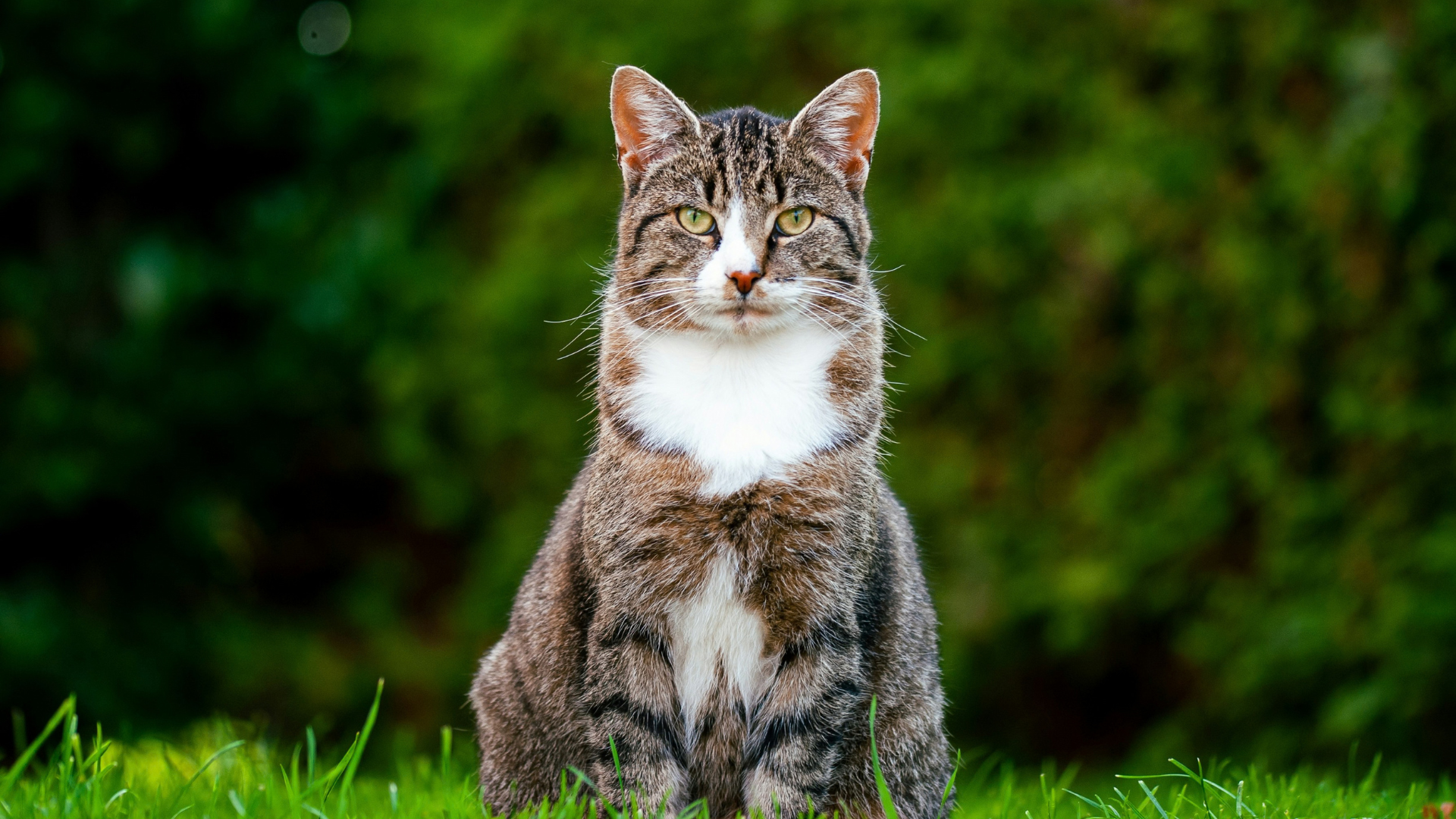
Image by Jorien Loman on Unsplash
Key Takeaways
- Core cat vaccinations (the F3 vaccine) protect against feline herpesvirus, calicivirus and panleukopenia — three serious diseases every cat should be shielded from, regardless of lifestyle.
- Kittens need a series of vaccinations starting at 6–8 weeks, with follow-up doses every 2–4 weeks until at least 16 weeks of age, plus a 6-month booster.
- Adult cat vaccination is risk-based, not a fixed rule — how often your cat needs a booster depends on their lifestyle, age and exposure to other cats.
- Even indoor cats benefit from vaccination, because viruses can travel indoors on clothing and shoes, and panleukopenia can survive in the environment for months.
What Are Core Vaccines For Cats?
The single most important vaccine every cat should have — no matter their lifestyle — is the F3 vaccine. It's the backbone of cat vaccinations in Australia, guarding against three diseases that are either highly contagious, potentially fatal, or both. Vaccinations are one of the most powerful preventive care tools we have, according to the Waltham Petcare Science Institute — and the F3 is where that protection starts. Here's what each component protects against.
Feline herpesvirus
Feline herpesvirus is a major cause of cat flu. It brings on sneezing, nasal and eye discharge, and conjunctivitis. The tricky part? The virus can remain dormant in the body and reactivate during periods of stress later in life — so a cat that seems fully recovered can shed the virus and become unwell again when stressed.
Feline calicivirus
Feline calicivirus is another common cause of cat flu, often associated with painful mouth ulcers and respiratory symptoms. It spreads easily in multi-cat environments such as shelters and boarding facilities, which makes vaccination especially important for cats that mix with others.
Feline panleukopenia
Feline panleukopenia (also called feline parvovirus) is a serious, highly contagious viral disease that can be fatal — particularly in young kittens. It attacks rapidly dividing cells, damaging the intestines and suppressing the immune system. Because the virus is so resilient in the environment, this component of the F3 vaccine is especially critical.
Kitten Vaccination Schedule
Getting the timing right in the first few months of a kitten’s life is critical to building proper immunity. A kitten vaccination schedule isn’t a single needle — it’s a carefully spaced series that teaches a young immune system exactly what to defend against.
So when to start vaccinating a kitten? Earlier than many owners expect: the first dose comes at just 6–8 weeks of age.
First vaccination
The first kitten vaccination is given at 6–8 weeks of age. This early dose begins the process of priming your kitten’s immune system against the core diseases covered by the F3 vaccine.
Follow-up doses
Follow-up doses are repeated every 2–4 weeks, continuing until at least 16 weeks of age. This series is essential because a single dose in early life rarely produces full, lasting protection.
Why timing matters
The reason the schedule stretches over several weeks comes down to maternally derived antibodies — the immune protection a kitten receives from their mother’s first milk. These antibodies are a wonderful early safety net, but they can also interfere with early vaccine doses, neutralising the vaccine before the kitten’s own immune system can respond. By continuing the schedule until at least 16 weeks, you ensure immunity is properly established once those maternal antibodies have faded.
6-month booster
A 6-month booster is often recommended to close any gap in protection for kittens that didn’t respond strongly to the initial course. It ensures immunity is solid before your cat moves into adulthood.
Kitten Vaccination Timeline
| Age | What happens | Why it matters |
| 6–8 weeks | First F3 vaccination | Begins priming the immune system |
| Every 2–4 weeks | Follow-up F3 doses | Builds immune memory while maternal antibodies fade |
| 16 weeks | Final dose of initial course | Confirms immunity is properly established |
| 6 months | Booster (often recommended) | Closes any gap for kittens with a weaker response |
How Often Does an Adult Cat Need to Be Vaccinated?
Current veterinary guidance is risk-based rather than a single fixed rule — so how often does a cat need to be vaccinated? The answer depends heavily on your cat’s lifestyle, age, and exposure to other cats. An indoor-only cat with minimal contact with other felines may need core boosters less frequently, while a cat that roams outdoors, boards regularly, or lives in a multi-cat household may need more frequent protection.
Most adult cats receive a core booster annually or every three years, depending on the vaccine used and your vet’s assessment of your cat’s individual risk. The World Small Animal Veterinary Association (WSAVA) recommends tailoring booster intervals to each animal, so the best approach is to have a conversation with your vet about your cat’s day-to-day life. That way, cat vaccinations become a tailored plan — not a one-size-fits-all rule.
Do Indoor Cats Need to Be Vaccinated?
It’s a common misconception that an indoor-only cat is at no risk and doesn’t need cat vaccinations. Several exposure routes still apply — so do cats need to be vaccinated even if they never step outside? In short: yes, and do indoor cats need vaccines is a question worth answering clearly.
- Viruses can travel indoors. Calicivirus and panleukopenia can be carried inside on clothing, shoes, or hands after contact with other cats or contaminated environments.
- Panleukopenia is remarkably resilient. This virus can survive in the environment for months, making indirect exposure a real possibility even without outdoor access.
- Vet visits carry some risk. Any shared veterinary environment means an unvaccinated cat could be exposed to disease, even during a routine visit for something else entirely.
- Unexpected escapes happen. Even the most dedicated indoor cat can slip outside occasionally. Vaccination provides a safety net for the moments you can’t plan for.
For these reasons, most vets recommend keeping indoor cats up to date with at least the core F3 vaccine.
What to Expect at the Vaccination Appointment
Knowing what to expect takes the uncertainty out of the visit — for both you and your cat. A vaccination appointment is usually quick, and most cats cope well with a little preparation.
Before the appointment:
- Bring any vaccination records you have, especially if you’re visiting a new vet.
- Keep your cat calm in a secure carrier with a familiar blanket.
- Note down any recent changes in appetite, energy, or behaviour to mention to the vet.
During the appointment:
- Your vet will do a brief health check to make sure your cat is well enough to be vaccinated.
- The vaccine is given as a small injection, usually under the skin at the back of the neck or over the shoulder.
- Your vet will record the vaccine given and advise when the next dose is due.
After the appointment — normal reactions to watch for:
- Mild lethargy or sleepiness for 24 hours
- A small, soft swelling at the injection site
- Slightly reduced appetite
These mild reactions are generally nothing to worry about and resolve on their own.
When to seek help
Collapse, difficulty breathing, facial swelling, or persistent vomiting after vaccination warrant urgent veterinary attention.
Vaccination Appointment Checklist
| Stage | What to do |
| Before | Bring records; keep cat calm in carrier; note any health changes |
| During | Vet health check; quick injection; vaccine recorded; next dose scheduled |
| After (normal) | Mild lethargy, small swelling, reduced appetite for ~24 hours |
| After (seek help) | Collapse, breathing difficulty, facial swelling, persistent vomiting |
Vaccinations as Part of Your Cat’s Overall Wellbeing
Vaccination works best when it’s part of a bigger picture of preventative care for cats. Rather than treating it as an isolated task, think of it as one pillar of your cat’s overall health — sitting alongside parasite prevention, dental care, regular cat health checkups, and good nutrition.
Part of a bigger routine
Cat vaccinations are most effective when combined with year-round parasite control, dental care, and regular health checkups. Together, these build a safety net that catches problems early.
Nutrition and immune resilience
A well-balanced diet supports a cat's overall ability to stay healthy, complementing what vaccination provides. According to the Waltham Petcare Science Institute's S H I N E framework, a cat's diet affects far more than just their physical health — it's a crucial element of their emotional wellbeing too, and improvements in physical health have a knock-on effect on mental and emotional health.
A well-nourished, low-stress cat is simply better equipped to mount a strong immune response.
Tailoring to your cat
Every cat is an individual. A vet can help build a full preventative care plan suited to your cat’s specific lifestyle and risk factors — whether that’s an indoor companion, an adventurous explorer, or a senior who needs a gentler approach.
Got a kitten at the start of their journey?
Our guide to keeping your kitten healthy before their vaccinations has you covered. Explore more ways to support your cat's wider wellbeing at ADVANCE™.