Key Takeaways
- Wet food can add valuable dietary moisture, appealing aroma and texture to your cat’s routine, and it forms part or all of a nutritionally complete diet when appropriately formulated.
- The best option depends on life stage, nutritional completeness, body condition, texture preference and portion needs - there is no single best option for every cat.
- Pouch and tray formats each suit different lifestyles and storage needs, and buying in bulk can be practical with a little planning.
- Wet and dry food can work together through mixed feeding, provided portions are managed so your cat receives the right total daily intake.
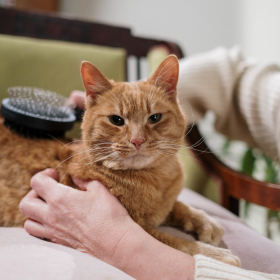
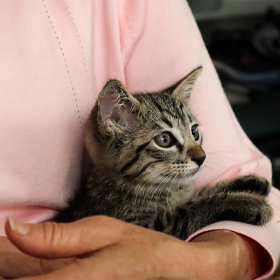
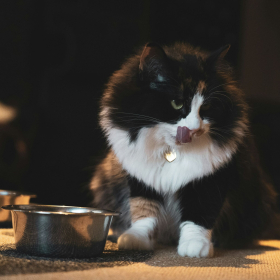
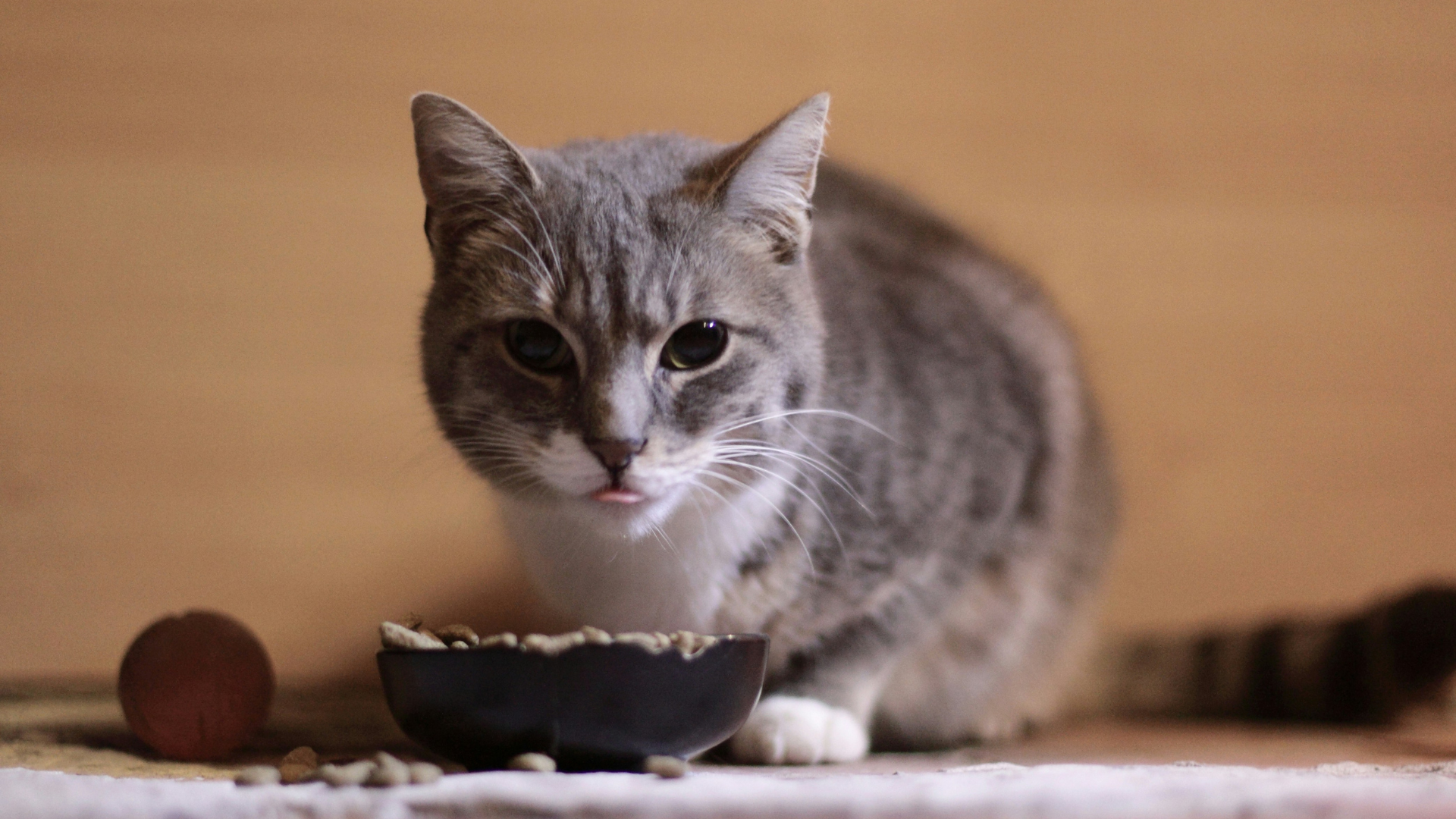
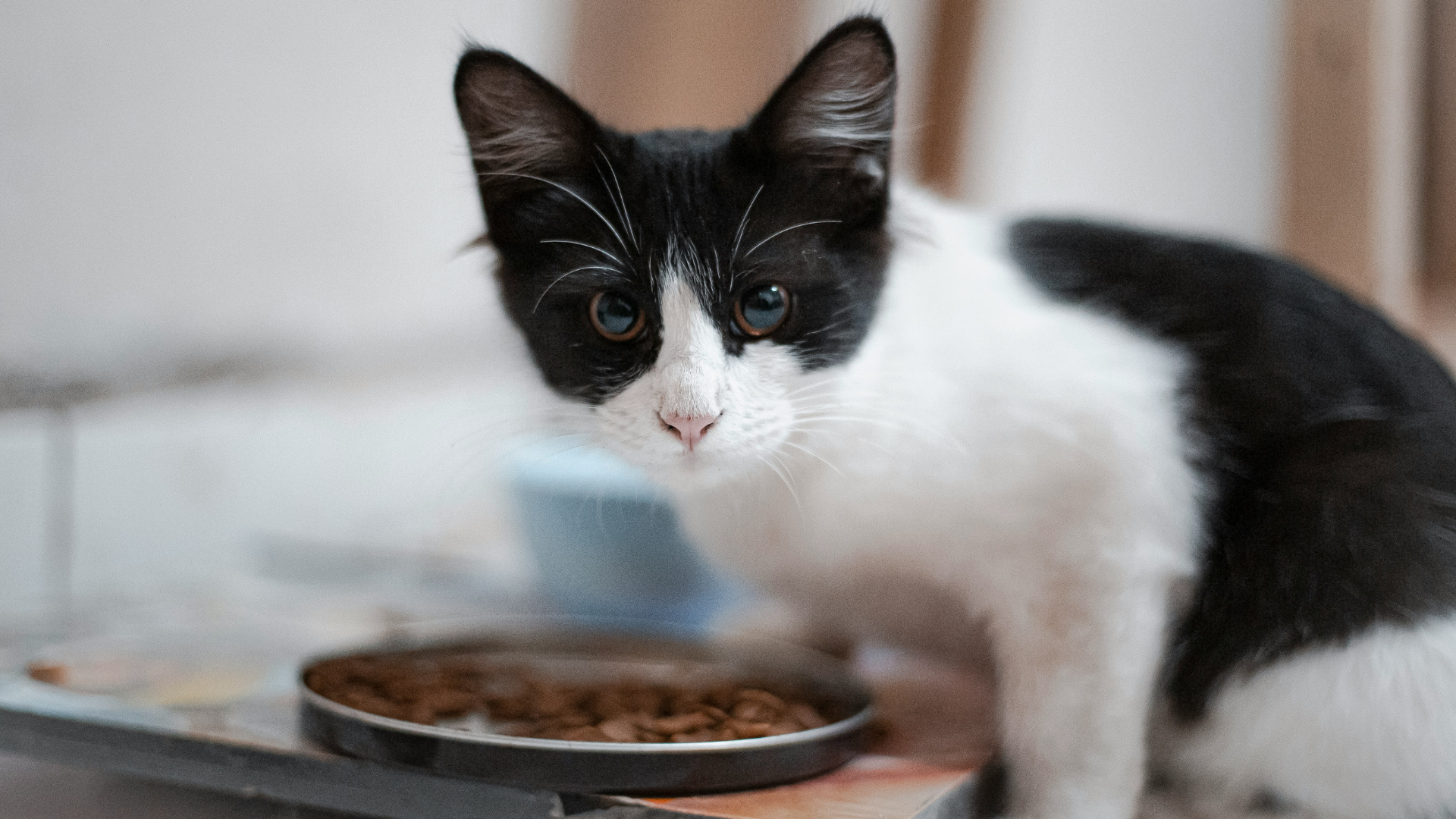
Images by Reno Laithienne and Mohammad Reza on Unsplash
This guide walks you through the benefits, the formats available, how to choose by life stage, how much to feed, and how wet and dry food can work together. By the end, you will have the tools to compare options confidently - because when you know your best friend better, you can support their health even more.
What Are the Benefits of Wet Cat Food?
Wet cat food can contribute dietary moisture and provide appealing aroma and texture, forming part or all of a nutritionally complete feeding routine when appropriately formulated. For a cat who enjoys wet meals, these qualities can make mealtimes more enjoyable and more hydrating - though it is worth remembering that wet cat food is not automatically better than dry food for every cat.
Moisture and Hydration
Wet foods contribute additional dietary moisture, which can be helpful for cats who do not drink much water on their own. The extra moisture supports hydration as part of an overall diet, and it is one of the reasons cat wet food appeals to many owners.
Aroma and Palatability
Smell and texture strongly influence how readily a cat accepts food. Wet food’s richer aroma and soft texture can encourage fussy eaters or cats whose appetite needs a little coaxing, making mealtimes more appealing.
Portion and Serving Convenience
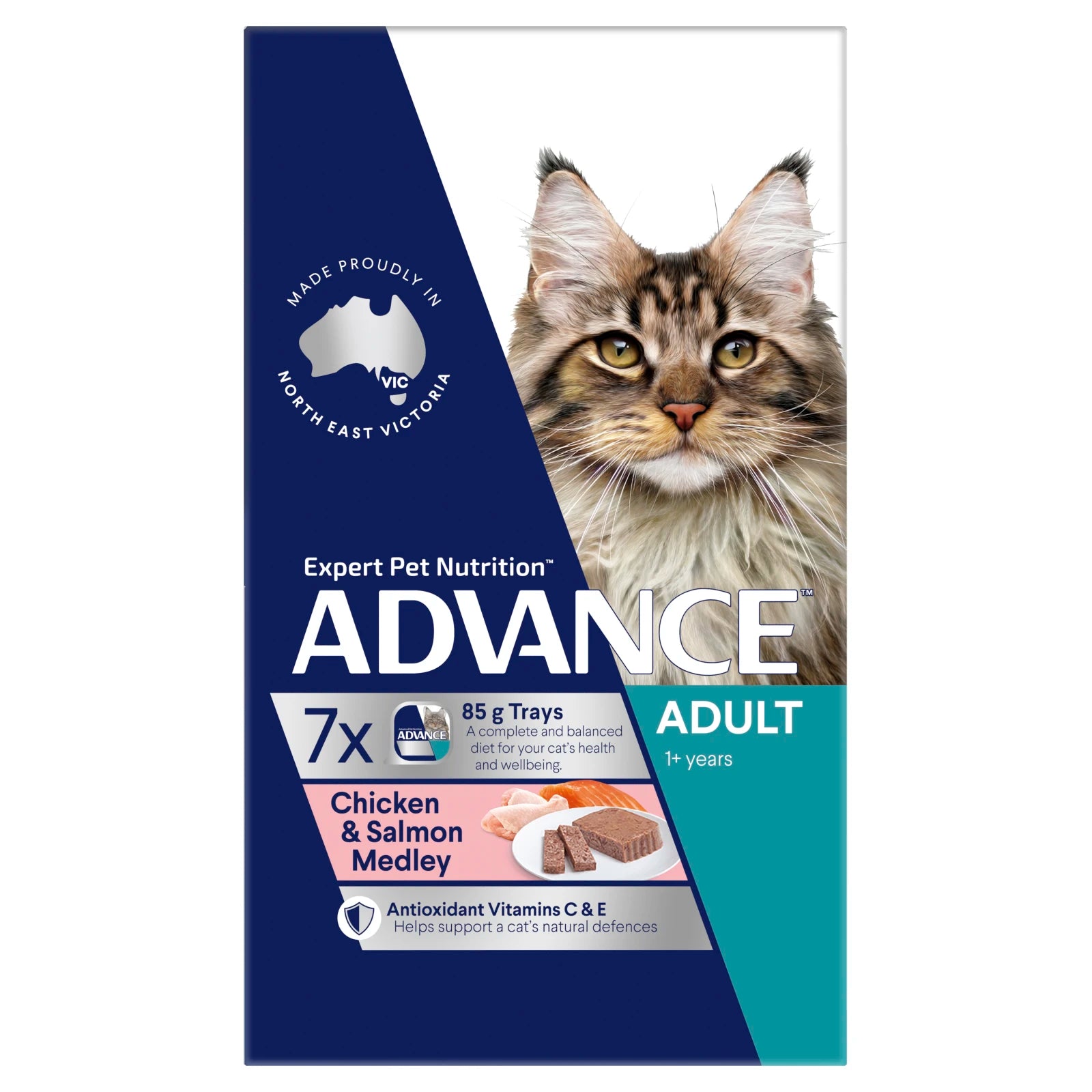
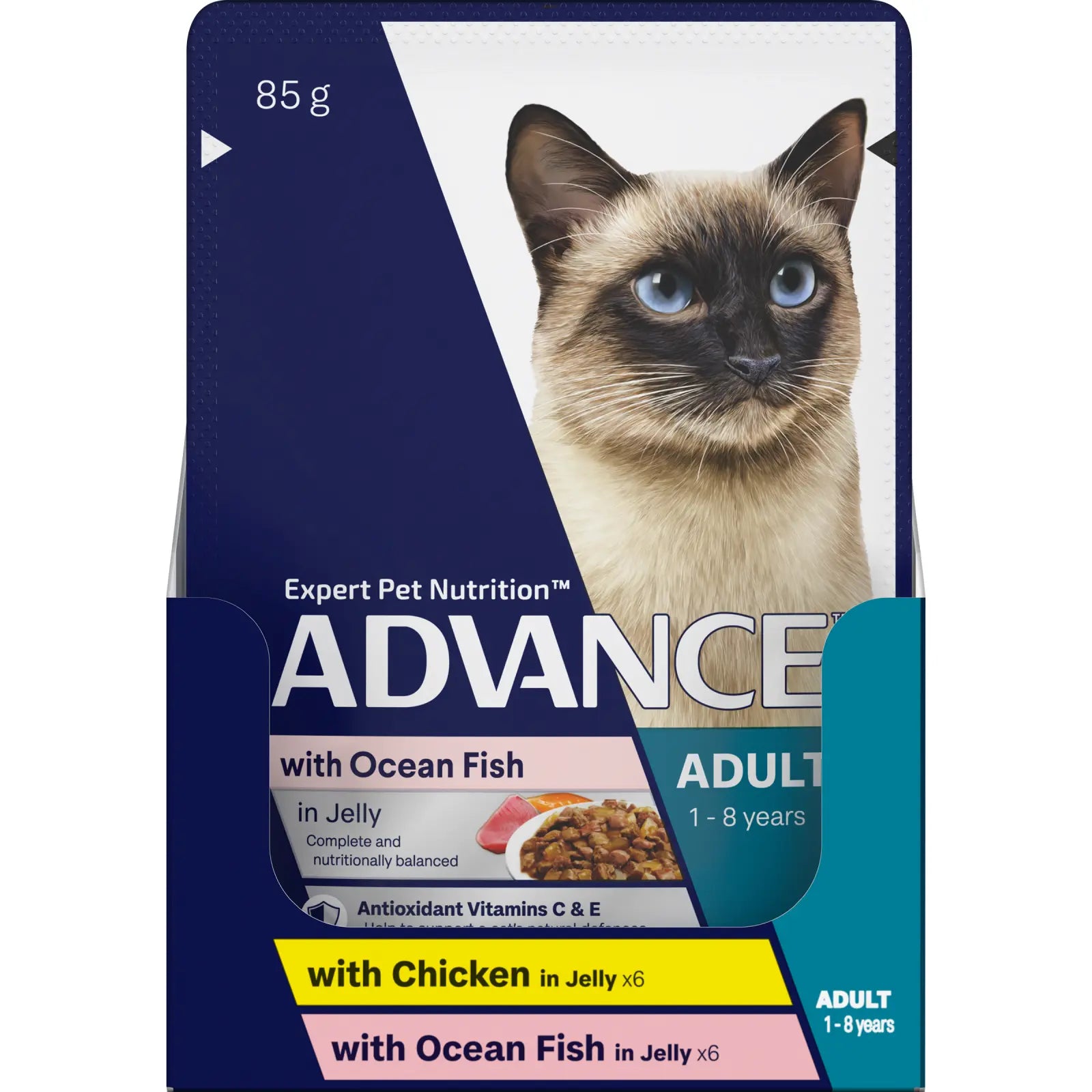
Trays and pouches are common formats, each offering different portion sizes and convenience. Single-serve options reduce leftovers, while larger formats can suit multi-cat households - the right choice depends on your cat and your routine.
Types of Wet Cat Food Explained
Understanding the differences between pouch and tray formats helps owners choose based on convenience, portion needs and their cat’s preferences. Each format has its own strengths, and the best cat wet food format is the one that fits your life and your cat’s appetite. Whichever wet cat food format you choose, the goal is the same: complete and balanced nutrition your cat enjoys.
Wet Food Pouches
Pouches are lightweight, single-serve and easy to store. They are a convenient option for single-cat households or cats who prefer fresh servings, and they keep portion control simple.
Trays
Trays offer a middle ground - often slightly larger than pouches, with easy-open designs. They suit cats with heartier appetites or households feeding a couple of cats, and they store neatly.
Buying Wet Cat Food in Bulk
Buying in bulk can be practical and cost-effective, especially for multi-cat households. The key is storage planning - ensure you have cool, dry storage space and that opened product is refrigerated and used within the recommended time. Bulk buying suits organised households who can keep freshness in check.
| Format | Portion size | Storage requirements | Best suited to |
| Pouches | Single-serve | Lightweight, easy to store | Single cats, fussy eaters |
| Trays | Medium | Neat, easy-open | One to two cats |
| Bulk packs | Varies by format | Cool, dry storage; plan usage | Multi-cat homes |
How to Choose the Best Wet Cat Food?
Choosing the best option comes down to a few practical steps: checking nutritional completeness, matching the life stage, considering your cat’s lifestyle, and factoring in texture and flavour preferences. There is no single best wet cat food Australia has to offer - there is the best option for your cat.
Check Nutritional Completeness
Look for food that provides complete and balanced nutrition for your cat’s life stage. A food can be delicious and moist but still fall short nutritionally, so completeness is the foundation of any good choice.
Choose by Life Stage
Kitten, adult and senior cats have different nutritional priorities. Matching the food to your cat’s life stage ensures they receive the right balance of nutrients for where they are in life.
Consider Your Cat’s Lifestyle
An active, lean cat and a more sedentary cat have different energy needs. Factor in body condition and activity level when choosing both the food and the portion size.
Texture and Flavour Preferences
Some cats love a smooth pate, others prefer chunks in gravy or jelly. Texture and flavour preference matters because a nutritionally perfect food only works if your cat will actually eat it - so choose a format they enjoy.
Wet Cat Food for Kittens, Adults and Senior Cats
Nutritional needs change across a cat’s life, which makes life-stage suitability one of the most important factors when choosing wet food. The right food at the right stage supports growth, maintenance and healthy ageing.
Kitten Wet Food
Kitten wet food supports growth and development during the first year of life, with the right balance of energy and nutrients for a rapidly growing body. Soft texture is also gentle on young teeth and easy for small mouths to manage.
New to kitten feeding? See our helpful guide on Common Kitten Feeding Queries.
Adult Wet Cat Food
Adult wet food supports a healthy body condition and everyday maintenance. Once growth is complete, the priority shifts to steady energy, maintaining lean muscle and overall wellbeing - with portions matched to activity and body condition.
Senior Wet Cat Food
Senior nutrition may support changing needs as cats age - adjusting for activity, maintaining body condition and addressing priorities such as hydration. Soft, aromatic wet food can also appeal to older cats whose appetite or senses may have changed. Transition between life-stage foods gradually so your cat adjusts comfortably.
How Much Wet Food Should You Feed Your Cat?
The right amount depends on your cat’s body weight, life stage, activity level, body condition and the specific product’s energy content - and on whether it is fed alone or alongside dry cat food. There is no one-size-fits-all answer, but there is a reliable approach.
Follow the Product Feeding Guide
Different wet foods have different energy densities and recommended quantities, so always start with the feeding guide on the pack. It is a starting point, not an exact prescription - your cat’s individual response should fine-tune it.
Adjust for Body Condition and Lifestyle
Serving needs vary between individual cats. An active, lean cat may need more, while a less-active cat carrying a little extra weight may need less. Monitor body condition regularly and adjust portions accordingly.
Mixed Feeding With Wet and Dry Food
When feeding both wet and dry food, both types need to be accounted for in the total daily intake. Mixed feeding can offer the best of both worlds - moisture from wet, convenience from dry - but portion control is essential to avoid overfeeding.
Wet vs Dry Cat Food: Do You Have to Choose?
You do not necessarily need to choose exclusively between wet and dry cat food, provided the overall feeding plan is nutritionally appropriate and portions are managed correctly. Neither format is universally superior - the best approach is the one that suits your cat and your lifestyle.
Wet Cat Food
Wet food offers higher moisture, richer aroma and soft texture. It can be less convenient to store once opened and is served in individual portions, but it adds hydration and palatability that many cats love.
Dry Cat Food
Dry food offers convenience, easy storage and longer shelf life, and can be left out for grazing. It is lower in moisture, so cats eating dry only should be encouraged to drink plenty of water.
Mixed Feeding
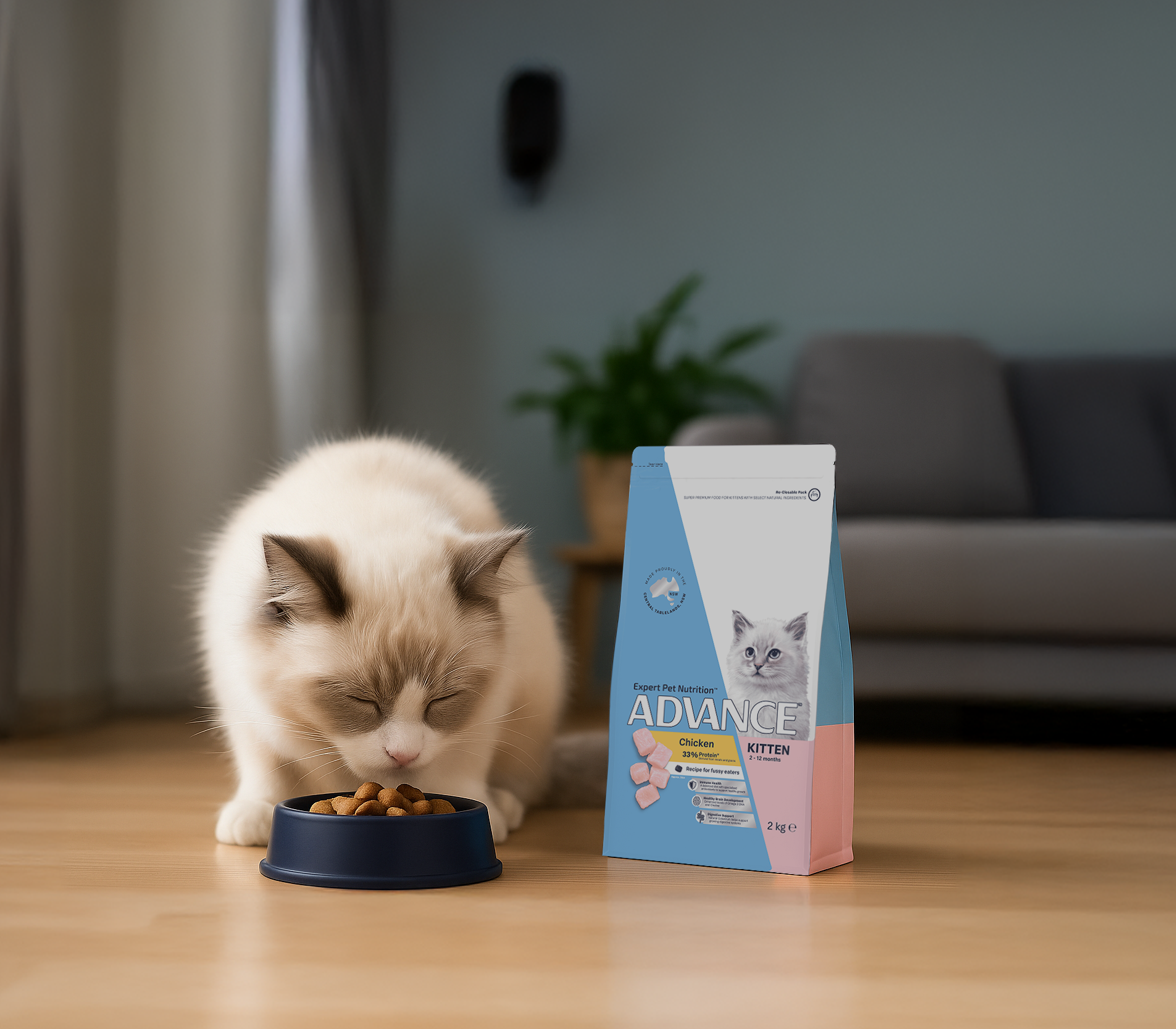
Combining wet and dry food can provide variety, moisture and convenience in one plan. The key is careful portion management - reduce each format accordingly so the total daily intake stays right for your cat.
| Factor | Wet food | Dry food | Mixed feeding |
| Moisture | High | Low | Balanced |
| Convenience | Single-serve | Easy to store and serve | Moderate |
| Storage | Refrigerate after opening | Long shelf life | Plan both |
| Texture variety | Soft, aromatic | Crunchy | Both textures |
| Portion management | Pre-portioned | Easy to measure | Requires care |
How to Store and Serve Wet Cat Food
Correct storage and serving help maintain quality, freshness and hygiene, especially once packaging has been opened. Before opening, store pouches and trays in a cool, dry place away from direct sunlight. After opening, refrigerate any unused portion promptly in a covered container and use it within the time recommended by the manufacturer - usually within a day or two.
Serve food at room temperature for the best aroma and acceptance, and wash bowls thoroughly between meals. If you buy in bulk, plan your storage carefully: ensure you have space to keep unopened stock cool and dry, and that opened product is refrigerated and used promptly to maintain freshness and hygiene.
Common Mistakes When Feeding Wet Cat Food
A few simple habits can make a big difference to your cat’s mealtimes. Leaving wet cat food out too long can spoil it and put your cat off - serve fresh portions and refrigerate leftovers promptly.
Overfeeding is another common slip, particularly with mixed feeding, where both wet and dry portions need to be counted toward the daily total. Skipping the feeding guide in favour of estimation can lead to under- or over-feeding, so start with the pack instructions and adjust to your cat’s body condition.
Finally, sudden diet changes can upset digestion - transition to a new food gradually over several days. Avoiding these small mistakes helps your cat get the most from every meal.
Nourish Every Moment With Confidence
Choosing the right wet food is one of the most caring things you can do for your cat - and now you have the tools to do it well. Explore our range of cat nutrition and wellbeing guidance to find a complete and balanced diet suited to your cat’s life stage and needs - because when you know your best friend better, you can enrich their everyday.