Key Takeaways
- The Cavoodle in a nutshell: A Cavoodle (also called a Cavapoo) is a Cavalier King Charles Spaniel x Poodle cross — affectionate, intelligent and low-shedding, making it one of Australia’s most popular family dogs.
- Size & growth: Cavoodles typically weigh 5–12kg and stand 25–38cm tall, reaching their full adult size between 10 and 12 months — size depends on whether the Poodle parent is Toy or Miniature.
- Nutrition by life stage: Feeding needs shift across life stages — three to four small meals as a puppy, two balanced meals as an adult, and joint-supporting nutrition as a senior — always guided by weight and body condition.
- Care essentials: Their low-shedding coat, moderate exercise needs and trainability suit apartments and houses alike, but regular grooming, early socialisation and weight management are the keys to a thriving Cavoodle.
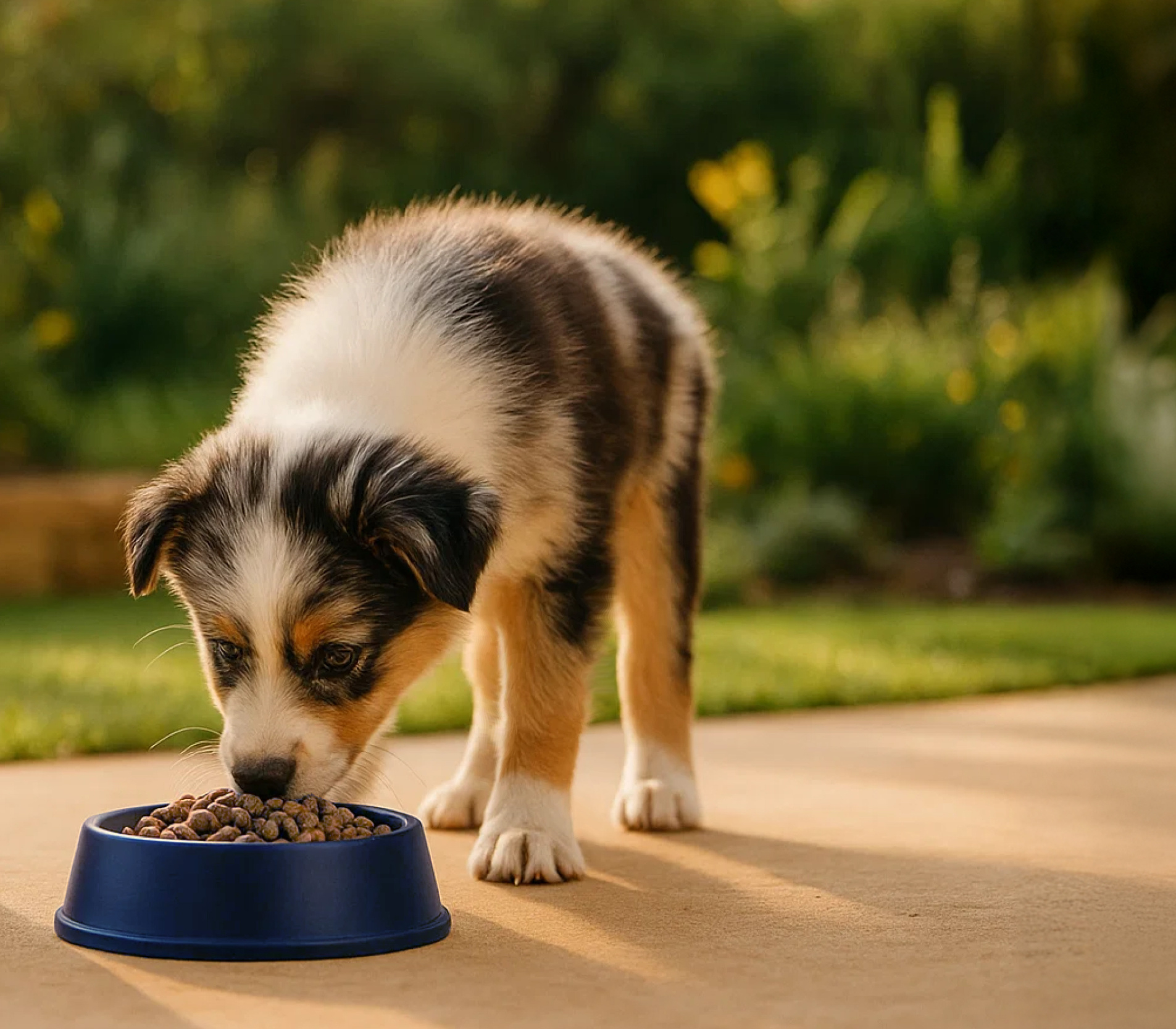
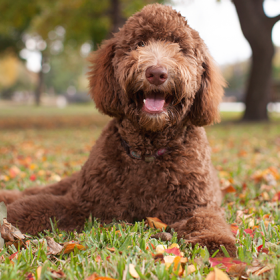
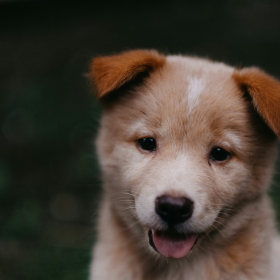
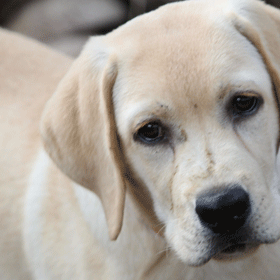
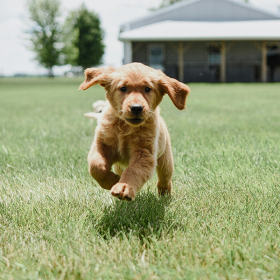
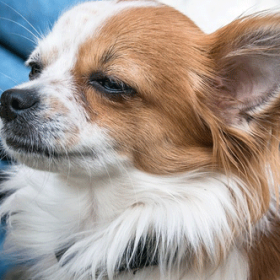
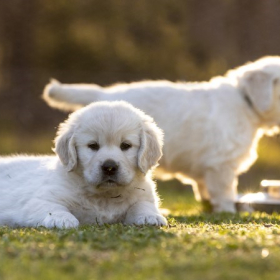
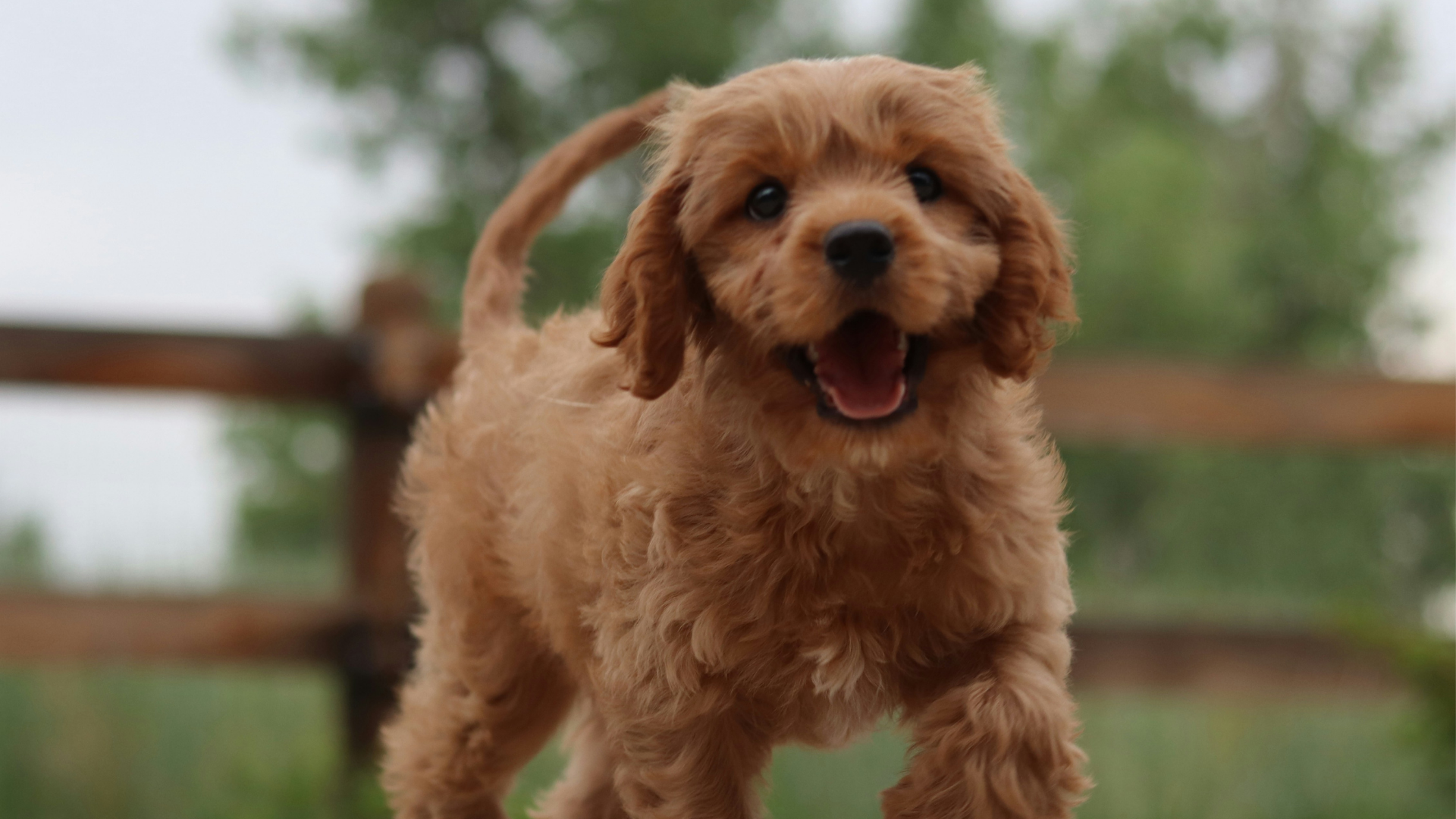
Images by Mia Anderson and Charlie Green on Unsplash
This complete Cavoodle breed guide covers everything you need to know: temperament, size and growth, feeding and nutrition, exercise, grooming, common health concerns and training tips — so you can help your Cavoodle live a long, healthy, happy life.
Understanding Cavoodle Temperament
There’s a lovely meeting of minds in every Cavoodle. They combine the Cavalier’s gentle, affectionate nature with the Poodle’s sharp intelligence, which makes them loyal, social and eager to please. They tend to bond strongly with their people and genuinely want to be part of whatever you’re doing — whether that’s a walk, a cuddle on the couch or just following you from room to room. That devotion is a gift, but it comes with a catch: Cavoodles can be prone to separation anxiety, so early socialisation and consistent routines matter from day one.
Because every Cavoodle is a crossbreed, their temperament can lean more towards the Cavalier or the Poodle side depending on the individual dog’s parentage. Meeting both parents (where possible) gives you a helpful sense of what your puppy might grow into.
Are Cavoodles Good Family Dogs?
Yes — their affectionate, sociable nature suits families beautifully, including households with children. Cavoodles are typically gentle and patient, and their small-to-medium size makes them less likely to knock little ones over. As with any breed, teach children how to interact calmly and always supervise young kids and dogs together.
Are Cavoodles Good With Other Pets?
With early, positive socialisation, most Cavoodles live comfortably alongside other dogs and household pets. The critical socialisation window for puppies runs from roughly 2.5 to 14 weeks of age, so safe, gradual exposure to new animals, people and environments during this time helps shape a confident adult dog.
Can Cavoodles Be Left Alone?
Cavoodles form strong attachments and can develop separation-related behaviours if left alone before they’ve learned to. The good news is that independence can be built gradually from puppyhood. Leaving the room for short stretches, returning before your pup gets upset, and avoiding a big fuss when you leave or return all help your Cavoodle feel calm on their own. Research also suggests that puppies who get enough sleep (at least nine hours a night) and have a safe enclosed space overnight are less likely to develop separation-related behaviours.
For a nervous pup, our guide to helping a nervous dog offers practical, gentle strategies to help.
Why Cavoodles Make Great Family Pets
It’s no surprise the Cavoodle has been named one of Australia’s most popular companion dogs. They tick a lot of boxes for modern households:
- affectionate and people-oriented — they love being close to their family.
- good with children and other pets when socialised early.
- intelligent and responsive to positive, reward-based training.
- low-shedding, which can suit allergy-prone households (more on the “hypoallergenic” myth below).
Just remember that temperament can vary depending on whether your Cavoodle takes after their Cavalier or Poodle parent, so new owners should meet the parents where possible to get a sense of what’s in store.
Best Home Environment for a Cavoodle
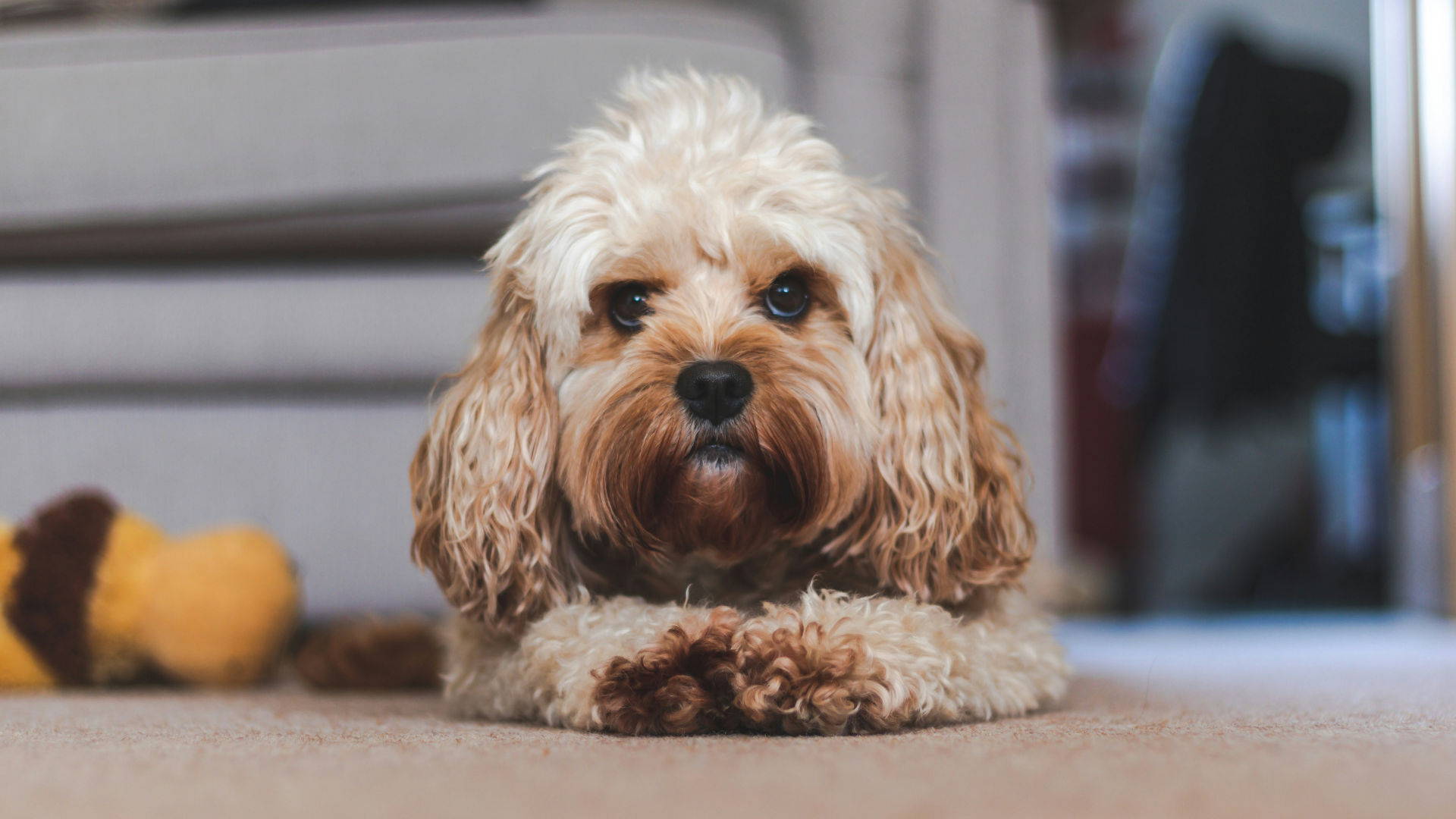
Cavoodles thrive on companionship and routine. A home where someone is around for a good part of the day, with regular walks, play and gentle training built into the schedule, suits them best. They’re indoor dogs at heart and want to be where their people are.
Are Cavoodles Good for First-Time Owners?
Their trainability makes Cavoodles a strong choice for first-time owners, but they’re not a “set-and-forget” pet. Their grooming needs are ongoing and their companionship needs are real — so go in knowing that a Cavoodle rewards time and attention with years of devotion.
Apartment Living vs Houses
Cavoodles adapt well to apartments, townhouses and houses alike, provided their exercise and enrichment needs are met. Their compact size and generally quiet nature make them well suited to smaller homes — just make sure daily walks and mental stimulation are part of the plan so boredom doesn’t creep in.
Cavoodle Size Chart and Growth Guide
Cavoodle size varies depending on whether they are bred from a Toy or Miniature Poodle. As adults, they typically weigh between 5–12kg and stand 25–38cm tall at the shoulder. Use the Cavoodle size chart below as a guide — but remember, individual growth always varies, so tracking your pup’s weight with your vet is the most reliable way to keep them on a healthy path.
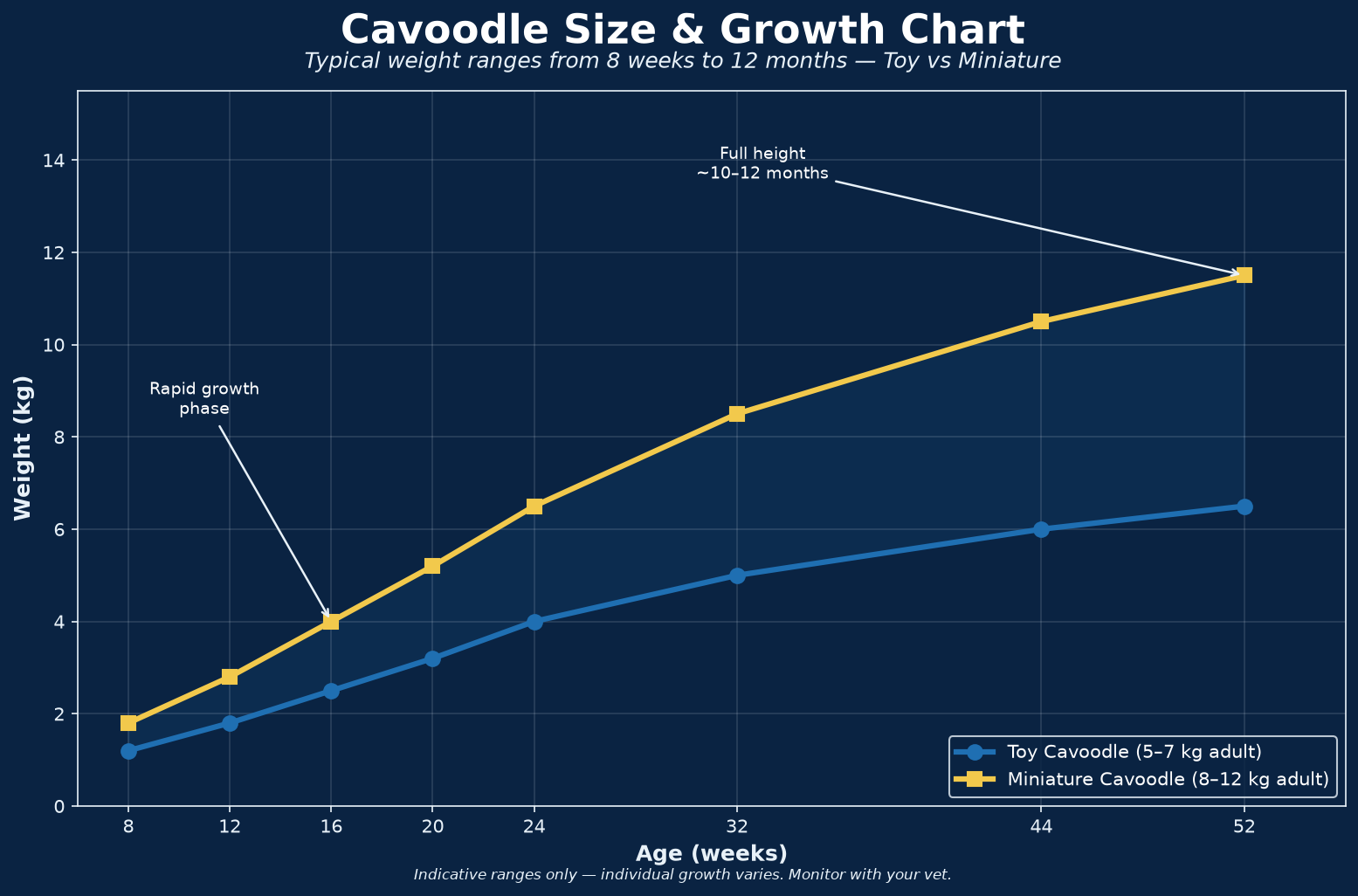
Most Cavoodles reach their full adult size between 10 and 12 months, though some continue to fill out slightly after their first birthday. A useful way to keep tabs on growth is the WALTHAM™ Puppy Growth Charts — a clinically developed tool, based on data from 50,000 healthy young dogs, that lets you and your vet compare your puppy’s weight against healthy growth standards and spot any unusual changes early.
So when are cavoodles fully grown? Broadly, expect your Cavoodle to be close to their adult height and weight by their first birthday, with Toy Cavoodles settling earlier and smaller, and Miniature Cavoodles taking a little longer and growing a little larger.
Cavoodle Diet and Feeding Guide
A Cavoodle’s feeding needs change significantly from puppyhood through to their senior years, and portion sizes should always be guided by weight, activity level and body condition rather than a single fixed amount. That’s the heart of a good Cavoodle diet: matching the food to the dog in front of you, at the life stage they’re in. If you’ve ever wondered what do cavoodles eat or how much should I feed my cavoodle, the answer is “not one number” — it’s a plan that evolves as they grow. The good news is there’s a range of food tailored specifically to the oodle family, designed to support the dental, skin, joint and heart needs that oodles like the Cavoodle can be prone to.
For a deeper dive, explore our Oodles of Nutrition guide for a walk through the essentials — and explore the tailored ADVANCE™ Oodles range.
Puppy Feeding (8 Weeks – 12 Months)
Cavoodle puppies should be fed three to four small meals a day, transitioning to two meals by around six months, using a complete and balanced puppy food appropriate to their expected adult size. Small breed puppies have fast metabolisms and small tummies, so regular meals help avoid low blood sugar. Look for a puppy formula that includes DHA — an omega-3 fatty acid that supports brain and vision development in growing pups.
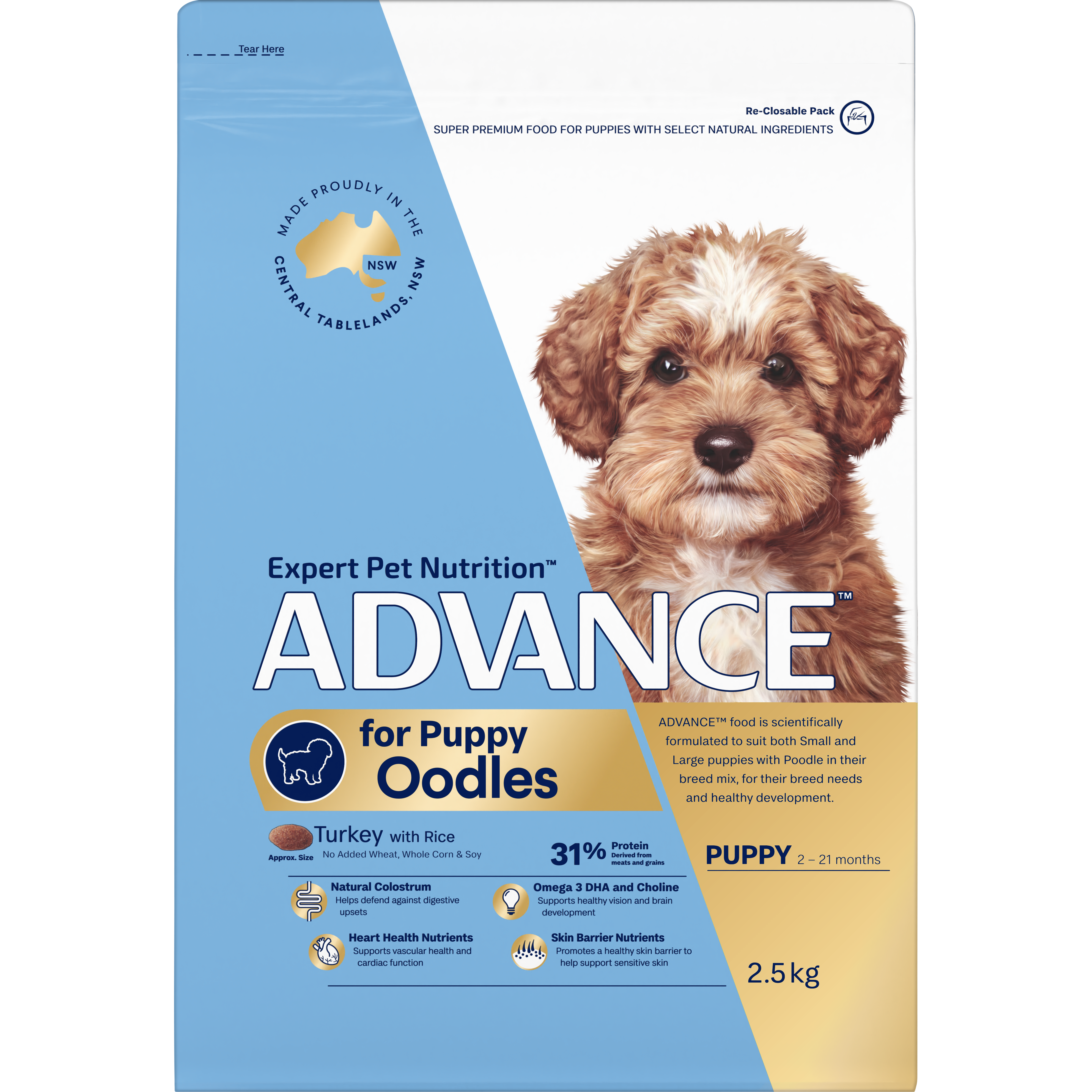
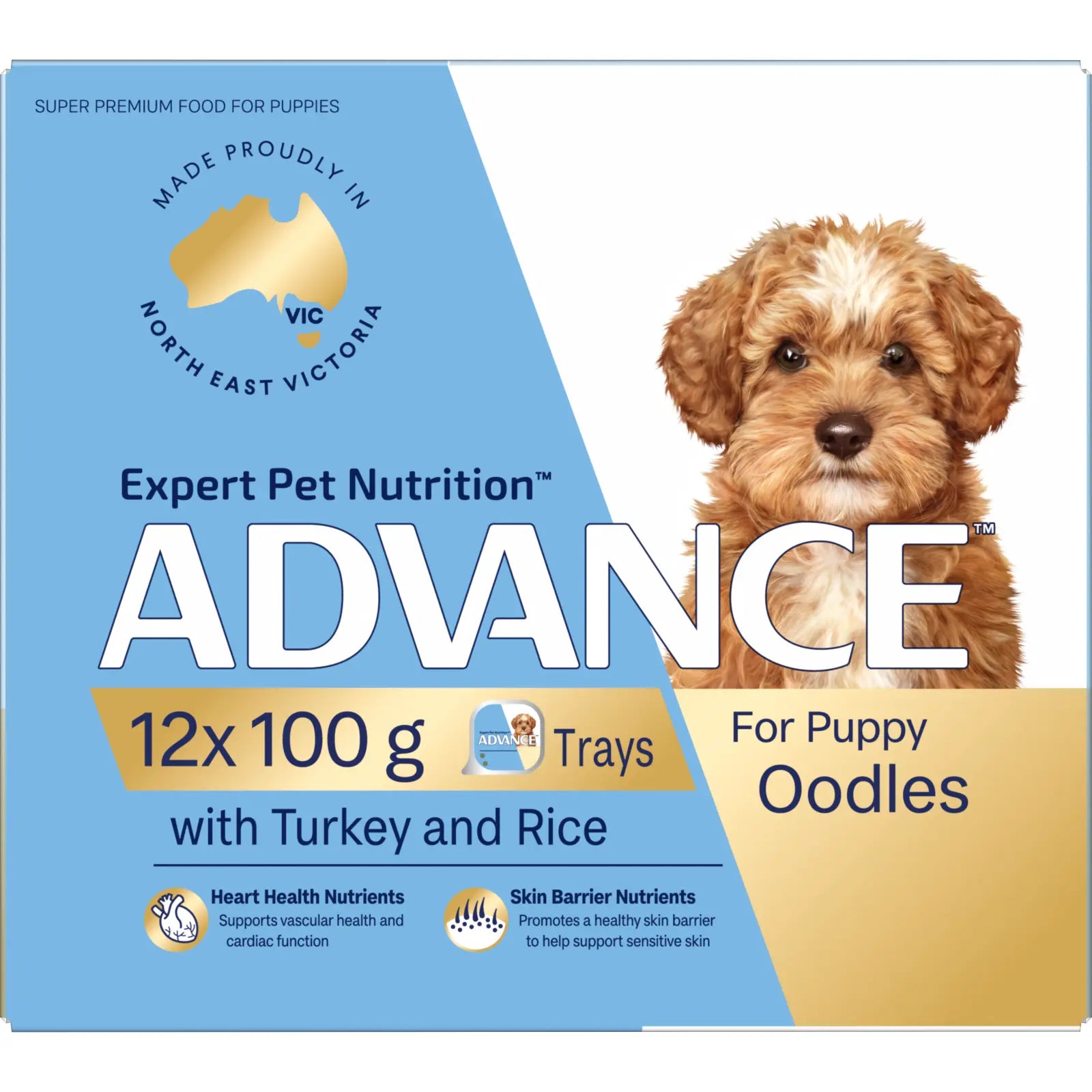
A tailored dry food option like ADVANCE™ Oodles Puppy Turkey with Rice is formulated specifically for the oodle family, with DHA for development plus targeted support for dental health, skin sensitivities and joint and heart health. Learn more about the role of DHA for puppies and kittens in our helpful guide. For a moisture-rich meal or to tempt a fussy pup, pair it with ADVANCE™ Puppy Oodles Wet Dog Food with Turkey and Rice.