Sample

Puppy, Lifestyle

Groodle Breed Guide: Personality, Size, Care and Nutrition

The Groodle, also known as a Goldendoodle, is a cross between a Golden Retriever and a Poodle, bred for its friendly temperament, intelligence and lower-shedding coat. The Groodle dog has become one of Australia’s most popular designer breeds, prized by families for its combination of Golden Retriever warmth and Poodle intelligence.

Key Takeaways

  • The Groodle: a cross between a Golden Retriever and a Poodle (also called a Goldendoodle), bred for its friendly temperament, intelligence and lower-shedding coat.
  • Size: Groodle sizes range from Toy and Miniature (7–15kg) to Standard (20–30kg or more), depending on the Poodle parent used.
  • Feeding: feeding needs vary by size as well as life stage, so portions should always be guided by the individual dog’s weight, activity and body condition.
  • Care essentials: wavy and curly coats need regular grooming to prevent matting, Groodles need 60–90 minutes of exercise a day, and they typically live 10–15 years.

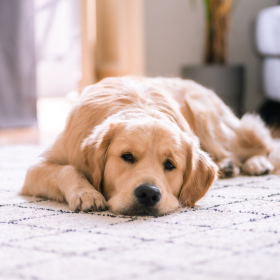
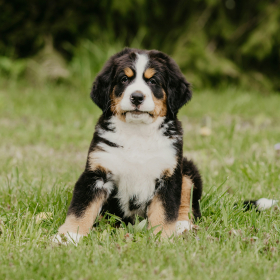
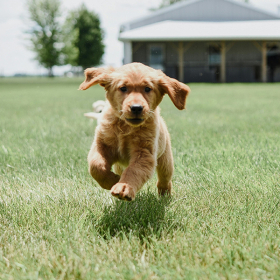
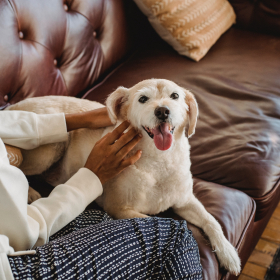
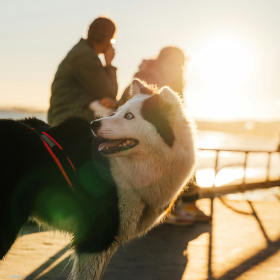
Images by Brooke Cagle, Erick Lee Hodge and Chris Maldonado on Unsplash

This Groodle breed guide covers temperament, size variations, how Groodles compare to other doodle breeds, coat types, feeding and nutrition, exercise, grooming, health issues, life expectancy, training, and pros and cons — so you can help your Groodle live a long, healthy, happy life.

What Is a Groodle Like to Live With? (Temperament)

There’s a big-hearted joyfulness to every Groodle. Groodle temperament is friendly, affectionate and highly social, combining the Golden Retriever’s gentle, people-oriented nature with the Poodle’s intelligence and trainability. They love being part of the family and genuinely want to be involved in whatever you’re doing. That warmth is their gift — and it means they do best with people who have time for companionship, training and play.

Is a Groodle Right for Your Family?

Groodles tick a lot of boxes for modern households:

  • are patient and gentle with children
  • are highly social with people and other dogs
  • are intelligent and eager to please, making them responsive to training
  • often suit households looking for a lower-shedding family dog

Are Groodles Good With Children?

Yes, Groodles are generally well suited to families. As with any breed, supervise interactions with young children and teach them how to engage calmly and respectfully.

Are Groodles Good for First-Time Owners?

Their trainability can suit first-time owners who are prepared for the grooming and exercise commitments a Groodle brings. They’re forgiving, eager learners — just go in knowing the daily routine involved.

Can Groodles Live With Cats?

With early introductions and ongoing management, most Groodles live happily with cats. Reward-based training and supervised early meetings help everyone settle.

Can Groodles Live in Apartments?

Smaller Groodles may adapt to apartment living when provided with sufficient daily exercise and enrichment. Standard Groodles, with their larger size and energy, are better suited to homes with more space.

Best Home Environment for a Groodle

An active household with time for daily exercise, companionship and grooming suits a Groodle best. They want to be where their people are.

Understanding Variation Between Groodles

Temperament, coat and behaviour may differ depending on breeding generation and parent characteristics — so ask about lineage and meet the parents where possible.

Groodle Sizes Explained: Toy, Miniature and Standard

Groodle size depends on the Poodle parent used in the cross, ranging from Miniature Groodles at around 7–15kg and 35–45cm, to Standard Groodles at 20–30kg or more and 50–65cm. Standard Groodles are the most common size in Australia, while Miniature and Medium (Moyen) Groodles have grown in popularity for owners wanting a smaller footprint without sacrificing temperament. Use the Groodle size chart below as a guide — but remember, individual size always varies.
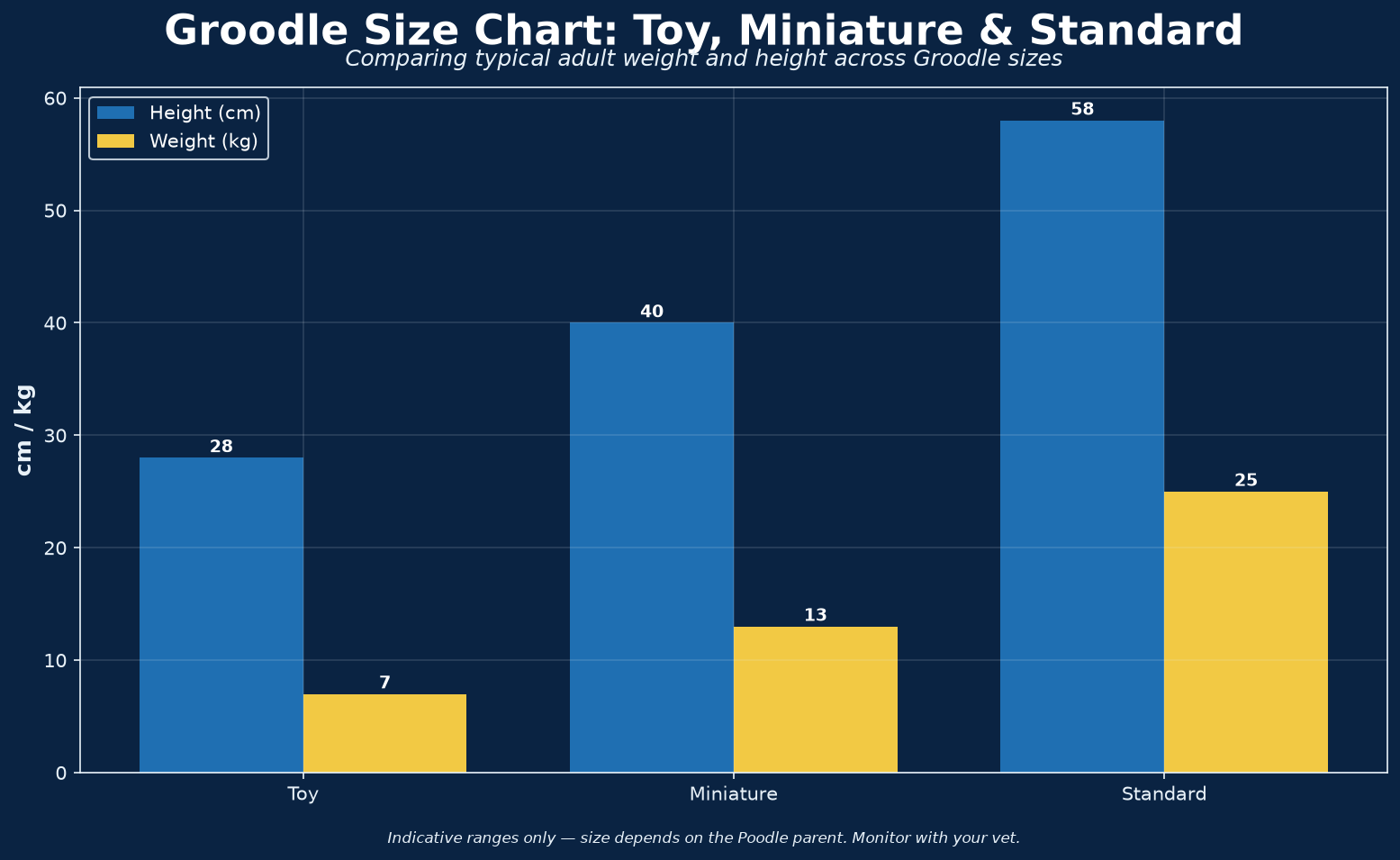
Groodle size chart. Toy, miniature and standard


Groodle vs Labradoodle vs Cavoodle: What’s the Difference?

While Groodles, Labradoodles and Cavoodles are all Poodle crosses, the non-Poodle parent breed shapes key differences. Labradoodle vs Groodle comparisons come down to energy and coat: Labradoodles (Labrador x Poodle) tend to have higher working drive and wirier coats, while Groodles are often softer in temperament with silkier coats. Groodle vs Cavoodle is largely a question of size and exercise — Cavoodles (Cavalier King Charles Spaniel x Poodle) are smaller with lower exercise needs than Groodles. Cavoodle vs Groodle, the reverse framing, points the same way: think bigger dog, bigger exercise commitment with a Groodle.

Frame this as a practical decision based on size, energy level and grooming commitment rather than declaring one breed “better” — the right doodle is the one that fits your life.

Groodle Coat Types and What to Expect

Groodles can have straight, wavy (fleece) or curly (wool) coats, with wavy and curly coats generally shedding less and suiting allergy-prone households, while straight coats shed more but need less frequent professional grooming. Groodle coat types vary even within a litter — a useful thing to know before you commit, especially if allergies are a factor.

What to Feed a Groodle at Every Life Stage

Groodle feeding needs vary considerably by size as well as life stage, so portion sizes should always be guided by the individual dog’s weight, activity level and body condition rather than a single fixed amount. Choosing the right Groodle food — and the right dog food for oodles more broadly — means matching nutrition to size and life stage. That’s where a tailored range like the ADVANCE™ Oodles range comes in — it’s formulated specifically for the needs of oodle breeds across every life stage, from puppy to senior.

Nutritional Priorities for Groodles

Balanced nutrition supports healthy growth, muscle development, digestion and a healthy weight.

Choosing the Right Dog Food

Size, life stage, activity level and body condition should guide food selection — dog food for Groodles isn’t one-size-fits-all.

Feeding According to Groodle Size

Mini and Standard Groodles often require different feeding approaches, since a Standard carries far more mass than a Mini.

Monitoring Healthy Weight

Owners can assess body condition and adjust portions over time — a lean Groodle is a healthier Groodle.

How Many Meals Should a Groodle Eat?

Feeding frequency changes from three to four small meals as a puppy, to two as an adult, and two tailored meals as a senior.

Feeding a Groodle Puppy

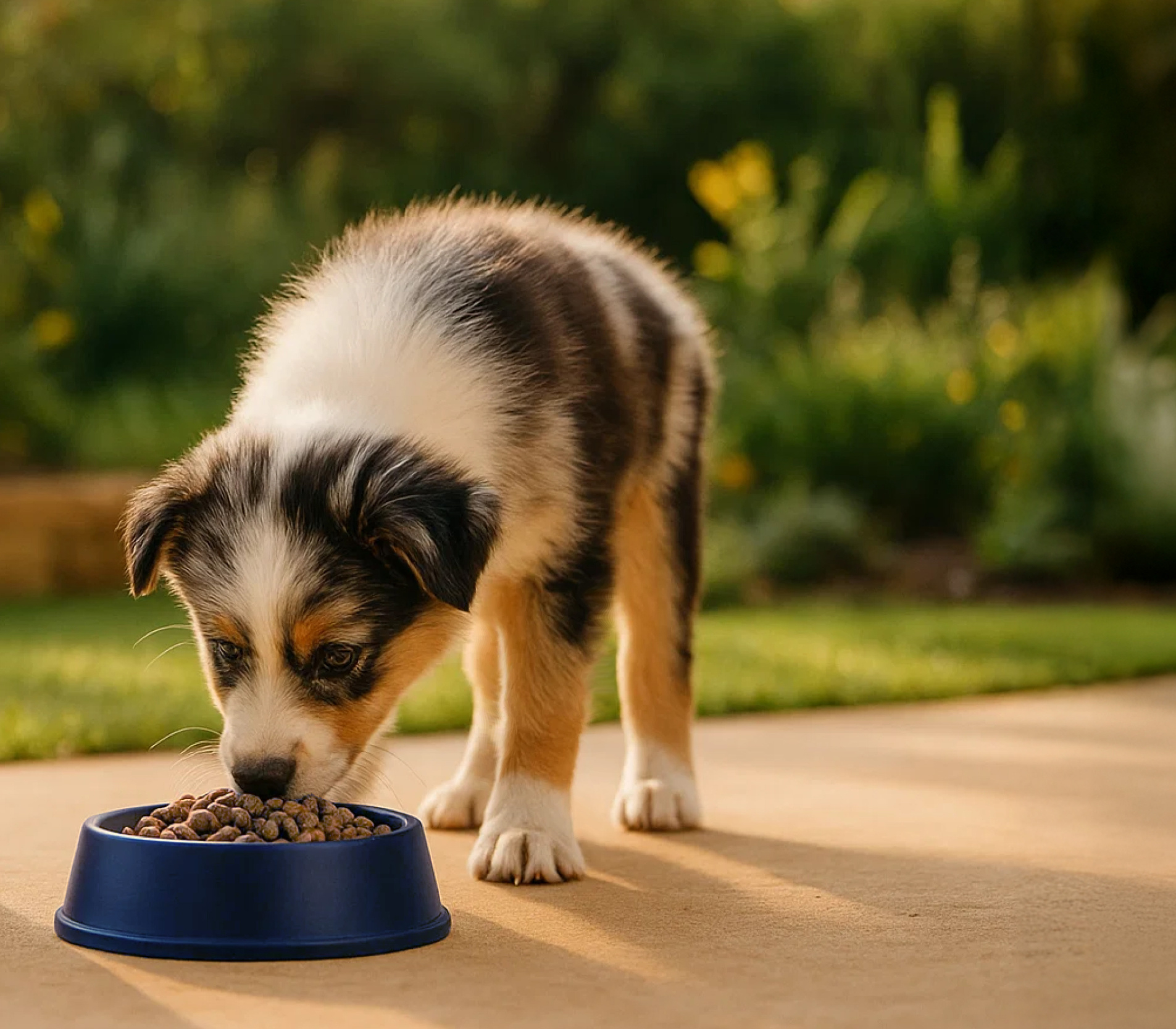
Groodle puppies should be fed three to four small meals a day, transitioning to two meals by around six months, using a complete and balanced puppy food appropriate to their expected adult size. Correctly sized puppy food matters more for Groodles than single-size breeds, since a Miniature and a Standard Groodle puppy have very different growth trajectories. Look for DHA to support brain and vision development.

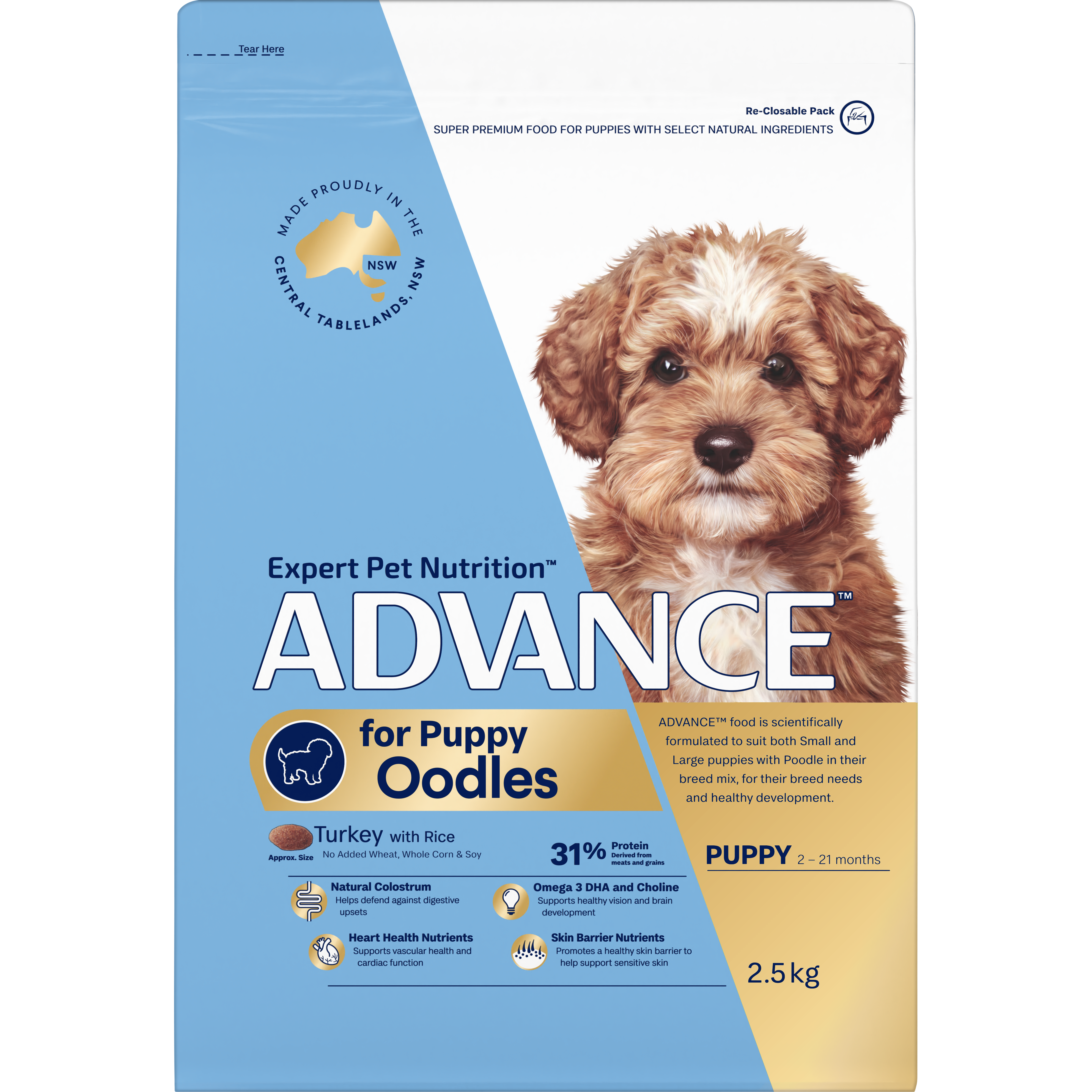
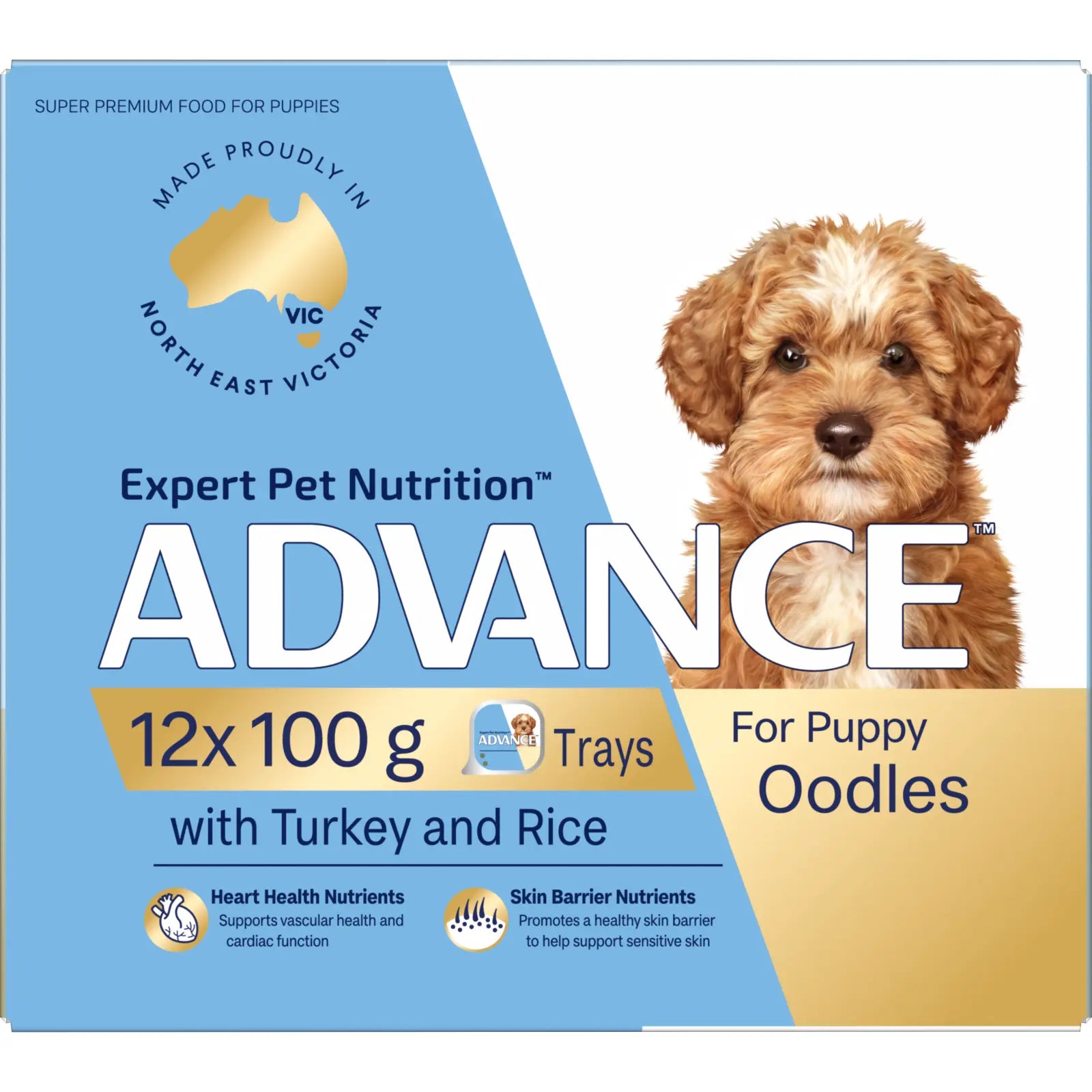
ADVANCE™ Oodles Puppy Dry Food with Turkey with Rice is formulated specifically for the oodle family, with DHA for brain and vision development plus colostrum, taurine and targeted support for dental, skin, joint and heart health. For a moisture-rich option, ADVANCE™ Puppy Oodles Wet Dog Food with Turkey and Rice supports a healthy gut microbiome and is made locally in Victoria with fish oil and taurine.
Feeding an Adult Groodle

Adult Groodles should move to an adult food matched to their size category, typically fed twice daily, with portions adjusted for their real activity level rather than breed averages alone. Standard Groodles in particular are prone to weight gain if fed like a smaller doodle breed, so portion control matters as they mature.

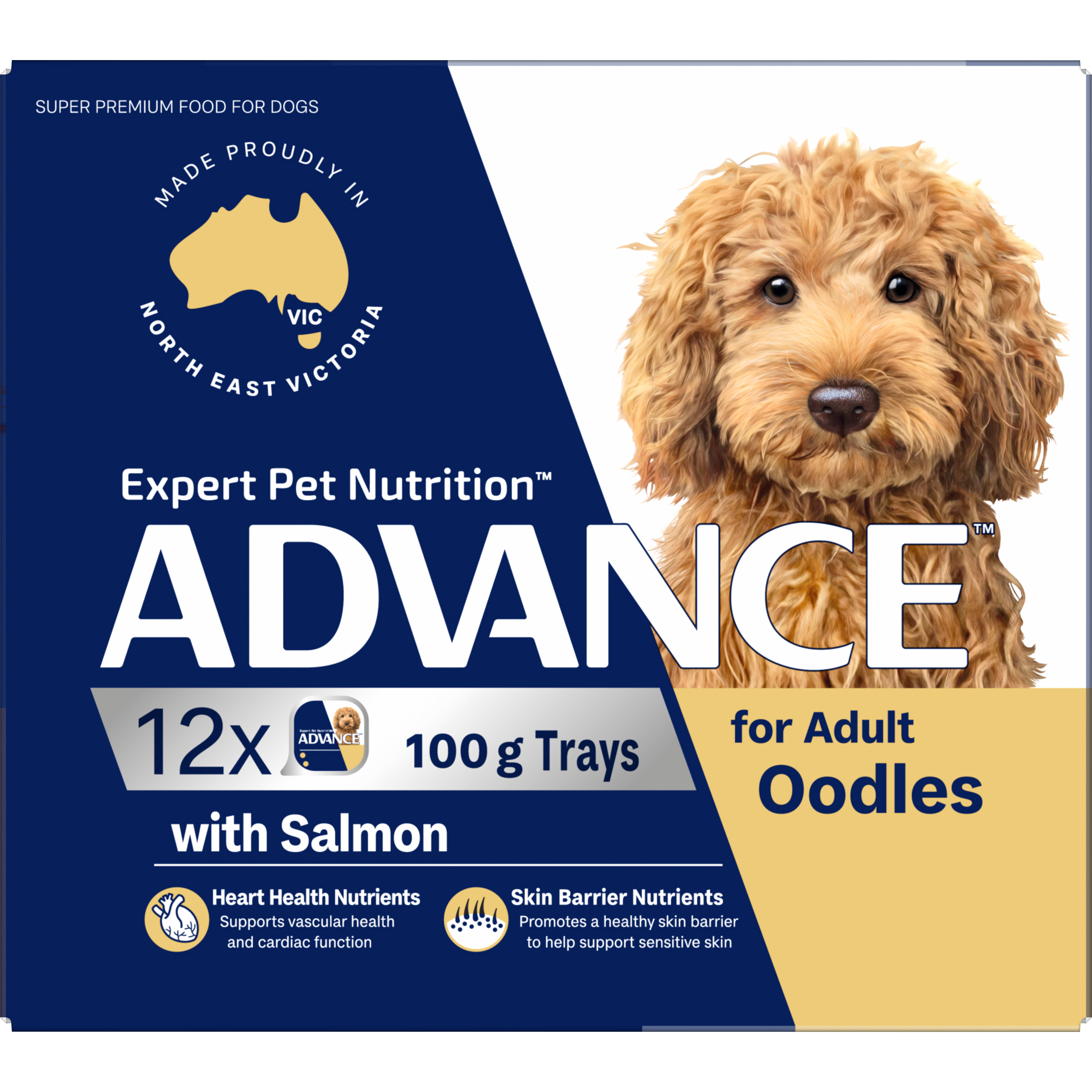
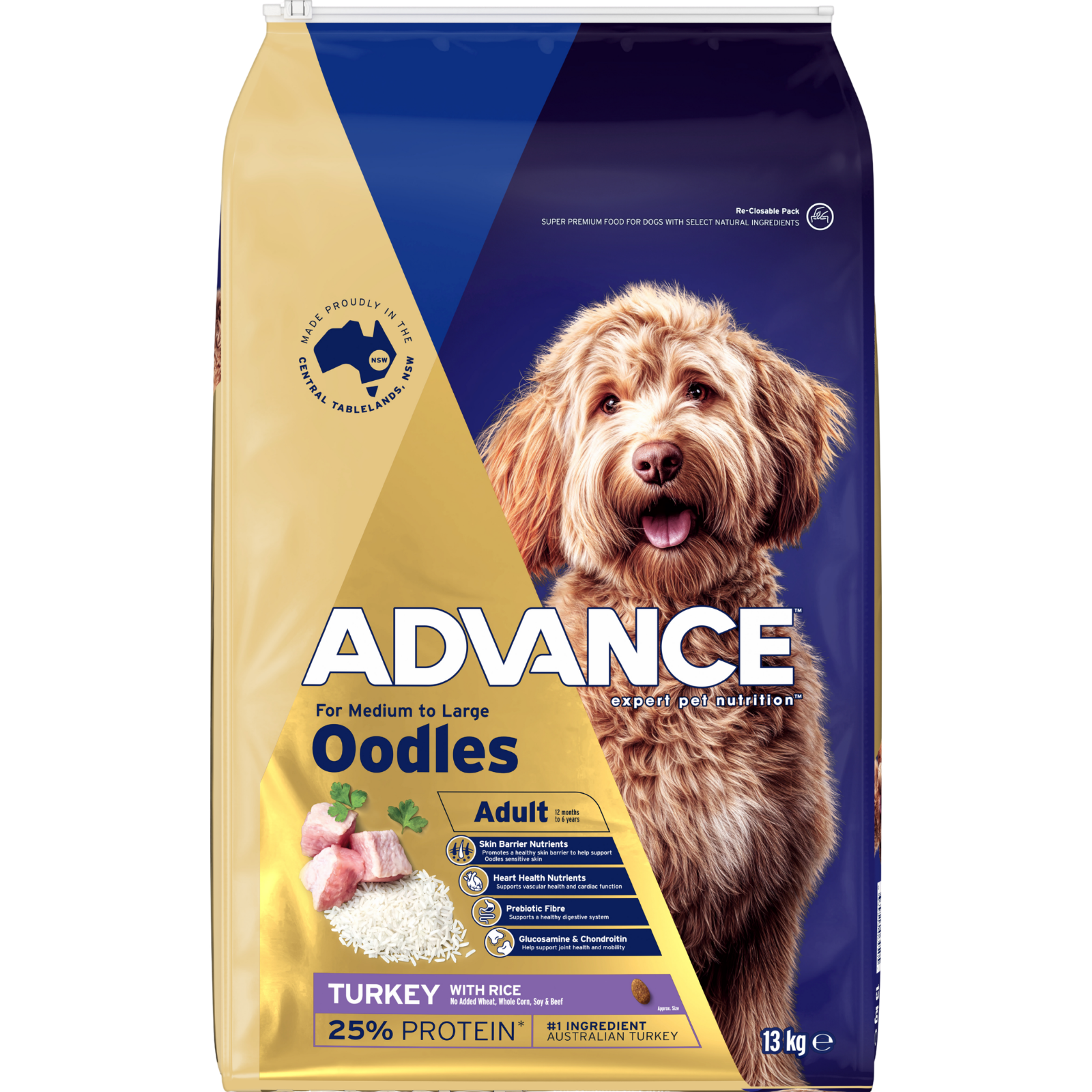
For Standard Groodles, ADVANCE™ Large Oodles Dry Dog Food Turkey with Rice is tailored for large-breed adult oodles, with joint, skin and coat, and heart health support including green-lipped mussel powder and taurine. For a wet option that suits Mini and Standard Groodles alike, ADVANCE™ Oodles Adult with Salmon Trays adds moisture and omega-6 fatty acids for skin and coat health.

Feeding a Senior Groodle

Senior Groodles benefit from food that supports joint health and maintains lean muscle mass, which matters especially for larger Standard Groodles carrying more weight through their joints over time. Continuing with a tailored formula matched to their breed size into the senior years helps keep nutrition matched as their activity changes. Keep an eye on body condition and adjust portions as activity naturally decreases.

How Much Exercise Does a Groodle Need?

Groodles are an energetic breed needing around 60–90 minutes of exercise a day, combining walks with play, mental enrichment and activities like agility — though smaller Miniature Groodles typically need somewhat less than Standard-sized dogs. Mental enrichment counts too: sniffing, puzzle feeders and short training sessions all help tire out a clever mind.

Grooming a Groodle by Coat Type

Groodle grooming needs depend heavily on coat type, with wavy and curly coats needing brushing three to four times a week and professional grooming every six to eight weeks to prevent matting, while straight coats shed more but need less frequent salon visits. The doodle promise is “low-shedding”; the doodle reality is “high-grooming” — so plan for ongoing care.

Brushing Routine

Brushing frequency depends on coat texture and length — curly and wavy coats mat fast, so every two to three days is the minimum.

Professional Grooming

Clipping and professional grooming are typically recommended every six to eight weeks, with Groodle grooming styles chosen to balance appearance with coat health and practicality.

Ear Care

Floppy ears should be checked regularly for moisture, irritation and debris — a quick weekly check helps prevent infections.

Bathing Your Groodle

Bathing frequency depends on coat condition and lifestyle — every four to eight weeks is typical, or after muddy adventures.

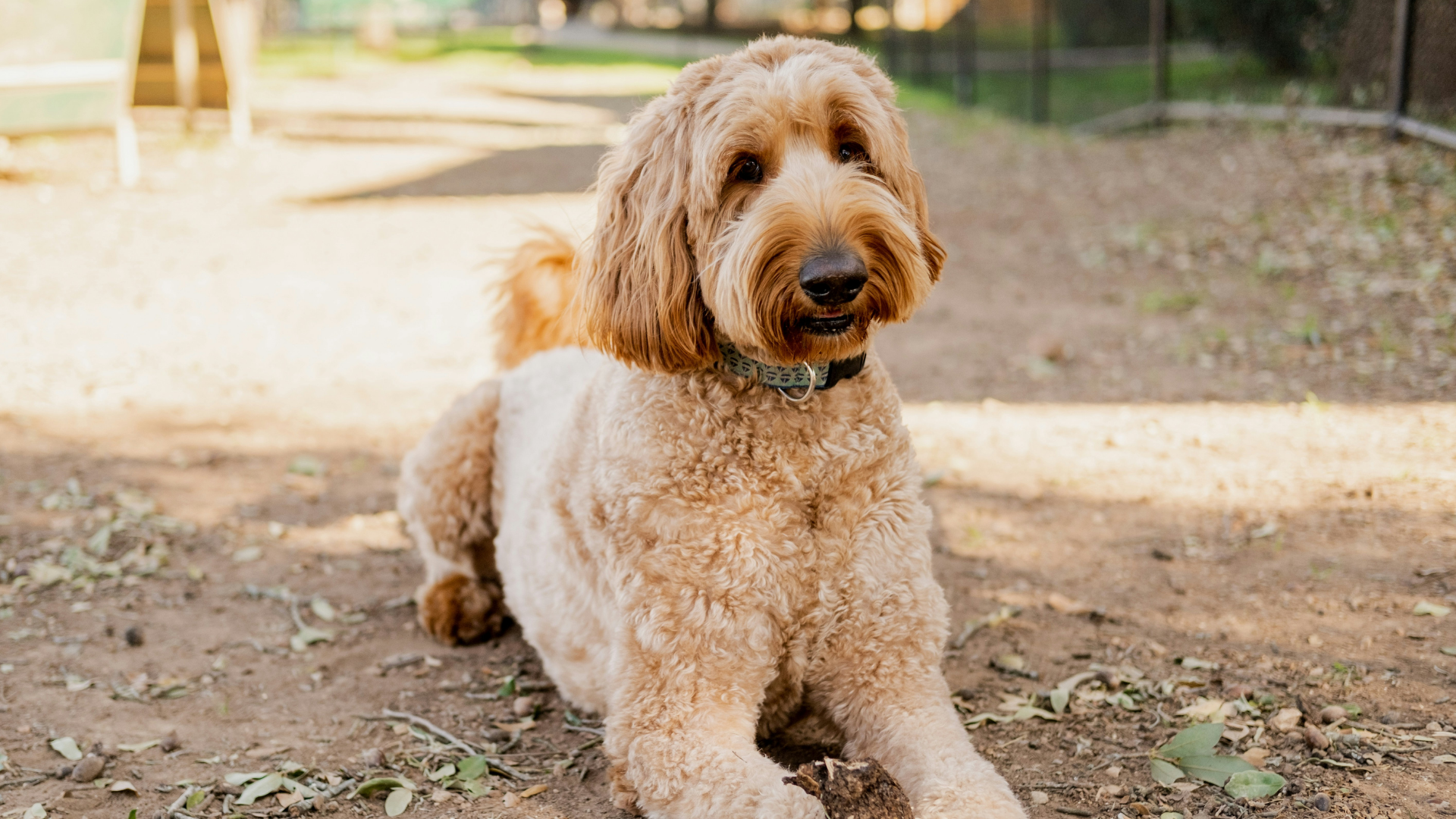
A Groodle sitting on the ground


Nail and Dental Care

Routine nail trims and daily tooth brushing support overall health and comfort.

Choosing a Grooming Style

Grooming styles should balance appearance with coat health and practicality — a shorter “puppy clip” is often easier to maintain.

Groodle Health Issues to Know About

Groodles can inherit health tendencies from both parent breeds, including hip and elbow dysplasia, ear infections linked to their floppy ears, and eye conditions such as progressive retinal atrophy, making regular vet checks important. This isn’t about worry — it’s about knowing what to watch for so you can act early.

Joint Health: Groodles can inherit hip and elbow dysplasia from the Golden Retriever side, leading to stiffness and reduced mobility as they age. Keep your Groodle lean and ask your vet to check joint mobility at their annual visit. See our article on the carpal joint for more joint-specific guidance.

Ear Health: Floppy ears and ear-canal hair trap moisture, making Groodles prone to otitis externa. Check and gently clean ears weekly, dry after swimming, and visit the vet for any head shaking or odour.

Eye Health: Groodles can inherit PRA, cataracts and glaucoma from their Poodle lineage, with PRA causing gradual vision loss from three to five years of age. Schedule regular eye checks and ask your breeder about parent DNA testing for PRA.

Skin and Coat Health: Skin allergies and hot spots are common in Groodles, and poodle crosses can also develop sebaceous adenitis — often misdiagnosed as allergies. Watch for persistent scratching or coat changes and ask your vet about skin testing if symptoms don’t resolve.

Maintaining a Healthy Weight: Appropriate portions, daily exercise and regular body-condition checks keep this food-motivated breed at a healthy weight — protecting joints and overall wellbeing. Learn to body-condition score your dog and adjust food and treats to keep them lean.

How Long Do Groodles Live? (Life Expectancy)

Groodles typically live 10–15 years, with smaller Miniature Groodles tending toward the longer end of that range compared with Standard-sized Groodles. Groodle life expectancy and Groodle lifespan are shaped by the same lifestyle factors you can influence every day — lean weight, daily exercise, regular vet care and a complete diet.

Training a Groodle: Tips for Success

Groodles are highly intelligent, food-motivated and eager to please, generally making them straightforward to train — particularly when training starts early and leans on positive reinforcement. How to train a Groodle is one of the most common questions from new owners, and the answer is simple: keep sessions short, engaging and reward-based to match their intelligence. Cover crate training, positive reinforcement and early socialisation from the start.

Nourish Every Moment

Every Groodle is a little different — and that’s the joy of them. Whether you’re feeding a growing puppy, an energetic adult or a much-loved senior, the right nutrition helps your Groodle live a long, healthy life doing the things they love most. Explore the ADVANCE™ range of scientifically formulated Oodle food or discover more expert advice in our pet advice hub.

Tailored nutrition starts here: Take our quiz to discover a personalised food recommendation for your pet, based on their age, size and needs.

More advice for dog parents

View all dog advice

Expert Pet nutrition™

ing-1

Backed by Waltham Institute with 60+ years of research

ing-2

Quality ingredients and recipes, proudly made in Australia

ing-3

Tailored nutrition for every life stage, lifestyle or health need

Frequently Asked Questions

No dog is truly hypoallergenic — “hypoallergenic” is a marketing term, not a medical fact. Wavy and curly Groodle coats shed less and may suit some allergy-prone households, but coat type varies and no Groodle is guaranteed allergy-safe.

Groodles are generally not excessive barkers, but they can develop nuisance barking if bored or under-stimulated. Enough daily exercise and mental enrichment usually keep barking in check.

Yes — their trainability and eager-to-please nature suit first-time owners who are prepared for the grooming and exercise commitments a Groodle brings.

Upfront purchase price varies by breeder and size, and ongoing costs include quality food, regular professional grooming, vet care and supplies. Grooming is a significant recurring cost for wavy and curly coats.

They can learn to, but they’re social dogs who can develop separation-related stress if left too long. Build calm alone time gradually from puppyhood.

Smaller Groodles can adapt to apartment living with sufficient daily exercise and enrichment. Standard Groodles do best with more space and regular outdoor access.

Wavy and curly coats typically need professional grooming every six to eight weeks, with brushing three to four times a week in between to prevent matting.

An F1 Groodle is a first-generation cross (Golden Retriever x Poodle), while an F1B is a backcross (F1 Groodle x Poodle). F1B Groodles often have curlier, lower-shedding coats but more Poodle-like grooming needs.