Sample

Puppy, Lifestyle

English Springer Spaniel Breed Guide: Personality, Care and Nutrition

The English Springer Spaniel is a medium-sized sporting breed originally developed to flush game birds, valued today for its affectionate nature, high energy and intelligence. As one of Australia’s popular sporting dog breeds, the English Springer Spaniel breed is prized by active families and dog sport enthusiasts for its trainability and loyal nature.

Key Takeaways

  • The English Springer Spaniel: a medium-sized sporting breed originally developed to flush game birds, valued today for its affectionate nature, high energy and intelligence.
  • Size & growth: adults typically weigh 18–25kg and stand 48–51cm tall, reaching close to full height by around 12 months, and continuing to fill out until 18 months to 2 years.
  • Feeding: feeding needs shift across life stages and activity levels, so portions should always be guided by weight, body condition and how active the individual dog is.
  • Care essentials: they need at least 60–90 minutes of exercise a day, regular grooming of a double coat with feathering, and weekly ear checks — with a typical lifespan of 12–14 years.

Images by Rafaella Waasdorp on Unsplash

This English Springer Spaniel breed guide covers temperament, size and growth, feeding and nutrition, exercise needs, grooming, common health concerns and training tips — so you can help your English Springer Spaniel live a long, healthy, happy life.

English Springer Spaniel Temperament and Personality Explained

There’s a soft, devoted heart inside every English Springer Spaniel. They’re affectionate, sociable and eager to please, combining a soft, gentle nature with the drive and focus of a working gundog breed. English Springer Spaniel care means understanding that Springers thrive on companionship and can become bored or anxious if left without enough physical and mental engagement — so daily structure matters from an early age.

For a nervous or anxious Springer, our guide to helping a nervous dog has practical strategies to help.

Is an English Springer Spaniel Right for Your Family?

English Springer Spaniels:

  • are affectionate and thrive on being close to their family
  • are good with children and other dogs when socialised early
  • are highly intelligent and responsive to training
  • are versatile, adapting well to active outdoor households and dog sports

Individual energy and temperament can vary between field-bred (working) lines and show-bred lines, so prospective owners should ask about a puppy’s lineage.

Are English Springer Spaniels Good With Children?

Their typical friendliness with children makes them a strong family choice — reinforce supervision, early socialisation and respectful interactions.

Are English Springer Spaniels Good With Other Dogs?

Positive introductions and early socialisation help them live comfortably with other dogs. Their sociable nature suits multi-dog households.

Can English Springer Spaniels Live With Cats?

Early exposure, supervision and management of chasing instincts can support successful cohabitation with cats.

Are English Springer Spaniels Good for First-Time Owners?

Their trainability can suit new owners who are prepared to meet their exercise, grooming and companionship needs — this is an active breed that needs a daily commitment.

Are English Springer Spaniels Suitable for Apartment Living?

Apartment living may be possible when owners consistently provide substantial exercise, enrichment and outdoor access — but a home with a yard makes meeting their needs far easier.

Best Home Environment for an English Springer Spaniel

Active households with time for training, companionship and outdoor activities are generally the best fit.

How Big Do English Springer Spaniels Get? (Size and Growth)

English Springer Spaniel size varies by sex, typically weighing 18–25kg for males and 16–20kg for females, standing 48–51cm tall as adults. Most English Springer Spaniels reach close to full adult height by around 12 months, though some continue filling out with muscle and body condition until 18 months to 2 years.
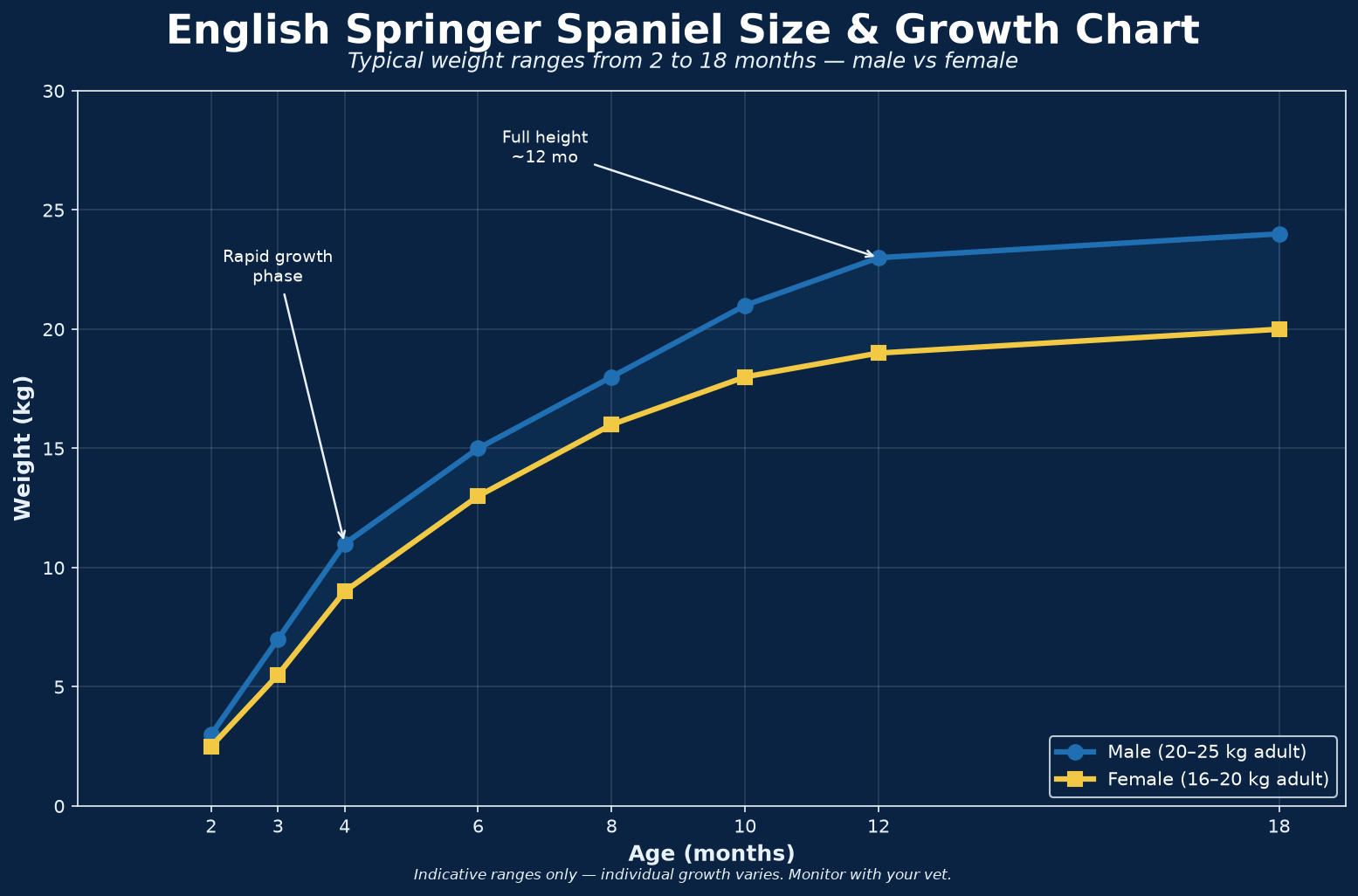
English Springer Spaniel size and growth chart


Male vs Female English Springer Spaniel Size

Males tend to sit at the upper end of the size range, with females slightly smaller — but individual variation means both sexes can fall anywhere across the typical range.

English Springer Spaniel Growth Stages

From a small, fast-growing puppy through a lanky adolescence to a muscular adult, Springers pass through distinct physical and behavioural milestones.

When Is an English Springer Spaniel Fully Grown?

Most reach adult height before fully developing muscle, chest depth and mature body condition — so expect continued filling out into the second year.

How to Monitor Healthy Puppy Growth

Track weight trends, body condition and veterinary feedback rather than relying on age-based averages alone. The WALTHAM™ Puppy Growth Charts — based on data from 50,000 healthy young dogs — let you and your vet compare your puppy’s weight against healthy standards and spot unusual changes early.

Signs an English Springer Spaniel Is Overweight

Watch for reduced waist definition, difficulty feeling the ribs and declining stamina. Keeping a Springer lean protects their joints — and the WALTHAM™ Pocket Book of Healthy Weight Maintenance offers practical guidance.

Feeding Your English Springer Spaniel at Every Life Stage

English Springer Spaniel feeding needs shift significantly across life stages and activity levels, and portion sizes should always be guided by weight, body condition and how physically active the individual dog is, rather than a single fixed amount. That’s the heart of English Springer Spaniel nutrition: matching food to the dog and the life stage they’re in. This English Springer Spaniel feeding guide is about the real dog in front of you, not a breed average.

Feeding an English Springer Spaniel Puppy (8 Weeks to 12 Months)

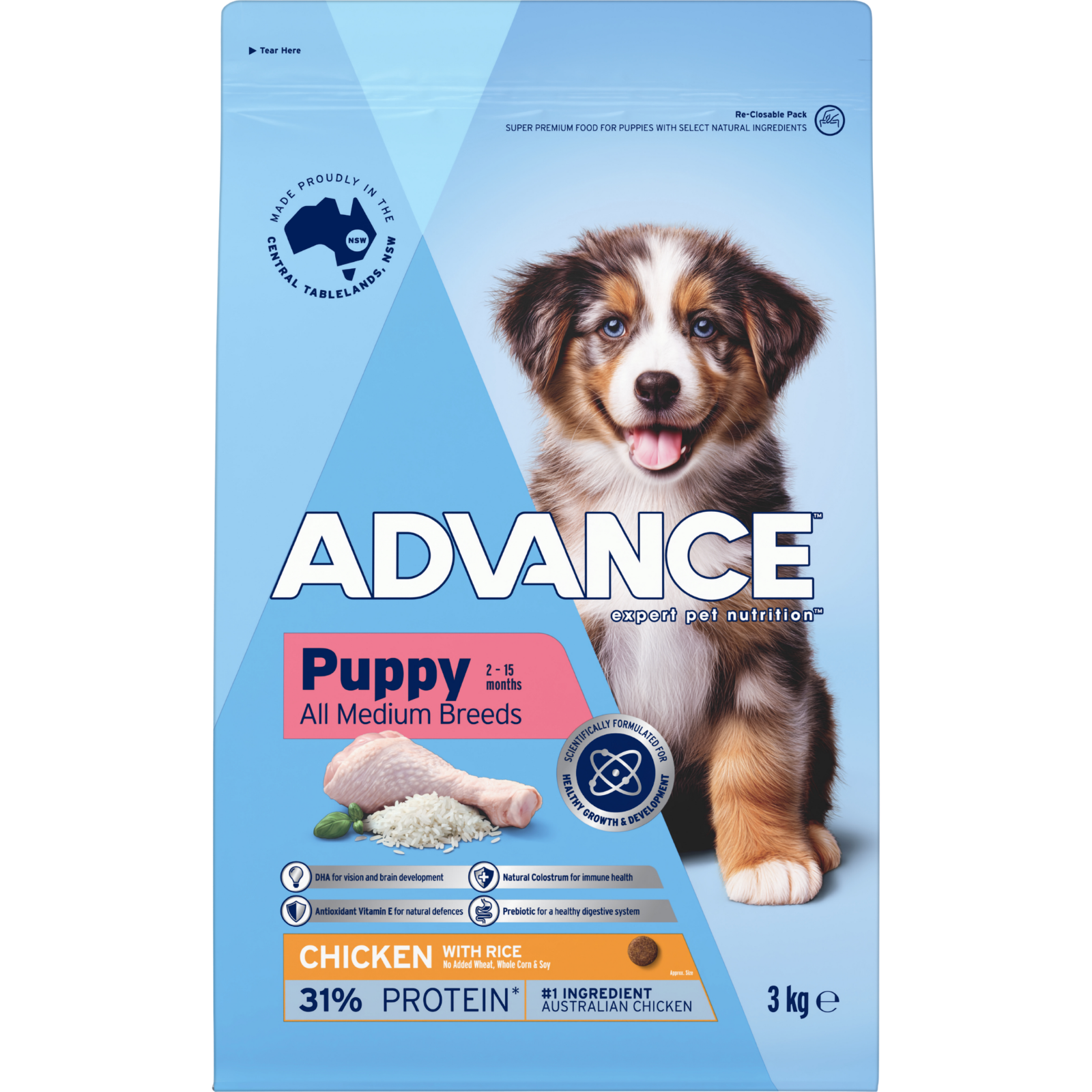
Springer Spaniel puppies should be fed three to four small meals a day, transitioning to two meals by around six months, using a complete and balanced puppy food suited to a medium, active breed. Active breed puppies benefit from steady, portion-controlled meals rather than free feeding, to support even growth.

We’ve answered common puppy feeding queries in our helpful guide.

What to Feed an Adult English Springer Spaniel

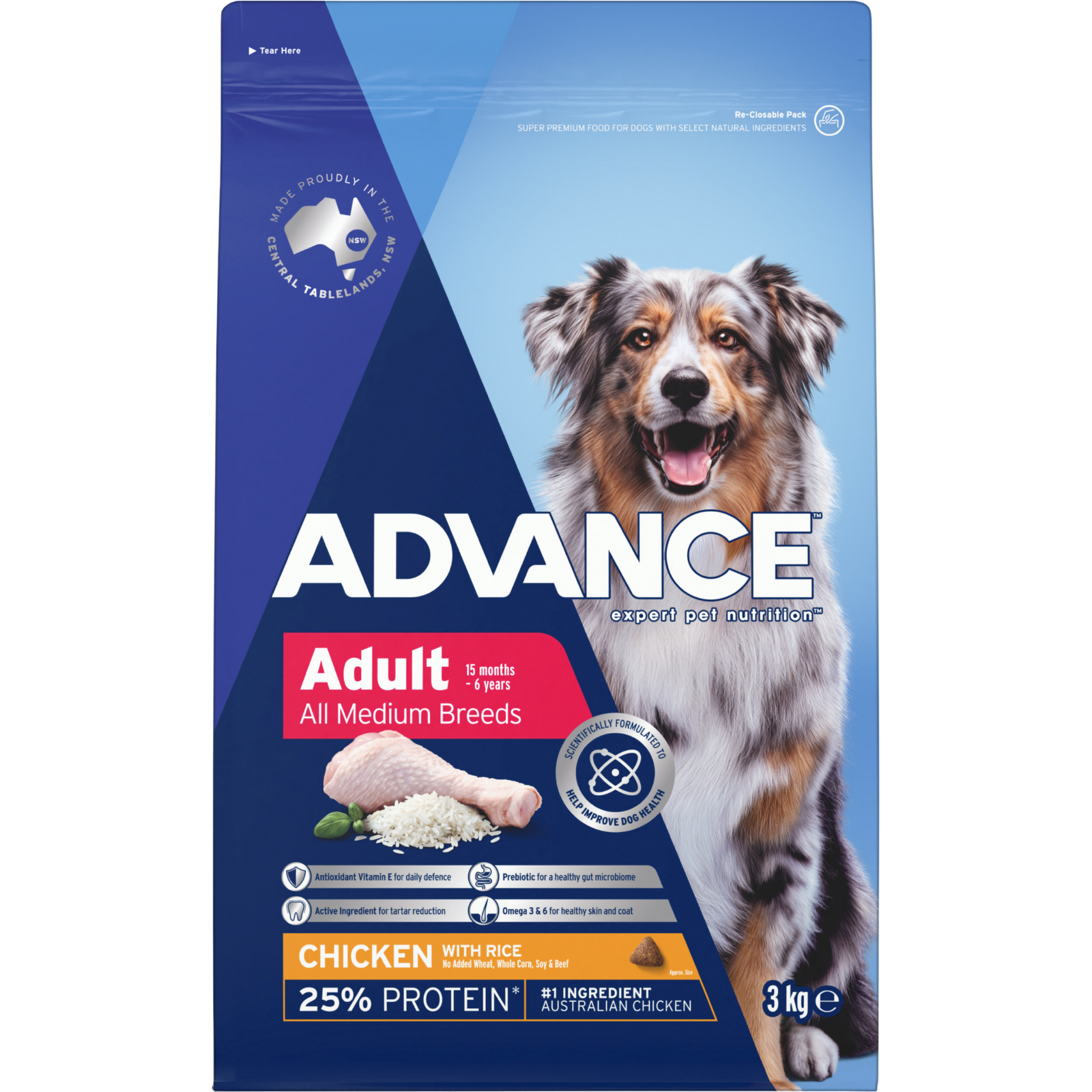
Adult English Springer Spaniels (from around 12–18 months) should transition to an adult food that supports sustained energy for a medium-sized active breed, typically fed twice daily and adjusted for exercise load. Portion sizes should scale with real activity levels — a Springer in regular field work or agility needs meaningfully more than one living a quieter home life.
Adjusting Diet for a Senior English Springer Spaniel

Senior English Springer Spaniels benefit from food that supports joint health and maintains lean muscle mass as activity naturally decreases with age. Keep an eye on body condition and adjust portions as their needs change.

Key Nutritional Needs of English Springer Spaniels

Complete and balanced nutrition supports steady growth, lean muscle, sustained energy and a healthy weight.

Choosing Food for an Active Sporting Breed

Life stage, body size and genuine activity level should guide food selection for this active sporting breed.

How Activity Level Affects Feeding Needs

Working, agility or highly active Springers may need more energy than less active companion dogs — so flex portions to the real dog.

Monitoring Body Condition and Weight

Use body shape, weight trends and activity levels to adjust portions over time.

How Many Meals Should an English Springer Spaniel Eat?

Meal frequency generally changes from three to four small meals as a puppy, to two as an adult, and two tailored meals as a senior.

If your Springer inhales meals, try our tips on slowing down your dog’s eating.

How Much Exercise Does an English Springer Spaniel Need?

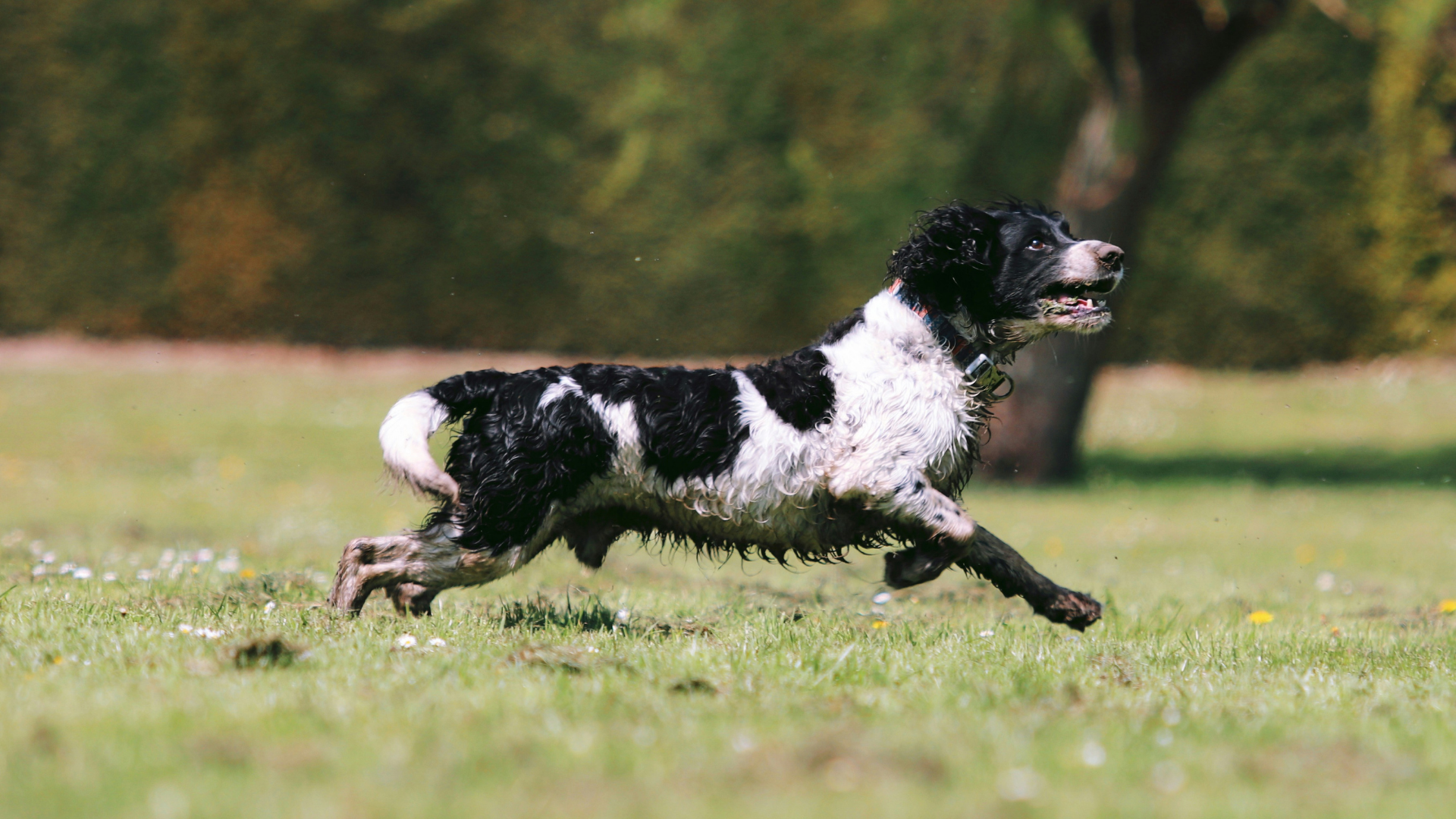
English Springer Spaniels are a high-energy sporting breed needing at least 60–90 minutes of exercise a day, combining physical activity like walking or retrieving with mental stimulation to prevent boredom-related behaviours. English Springer Spaniel exercise should draw on their instincts — retrieving, scent work and swimming are ideal outlets for this active breed.

As one of the most energetic of the active dog breeds, a Springer isn’t satisfied with a quick lap around the block.

An English Springer Spaniel running through a field


Coat Care and Grooming for English Springer Spaniels

The English Springer Spaniel’s double coat and feathering around the ears, legs and chest require regular brushing several times a week, with particular attention to their long ears to prevent matting and infection. English Springer Spaniel care includes a good brush one to three times a week — and daily during heavy shedding seasons — plus professional grooming every few months to keep the coat in top condition.

Common Health Issues in English Springer Spaniels

English Springer Spaniels can be prone to ear infections due to their long, floppy ears, along with hip dysplasia and inherited eye conditions such as progressive retinal atrophy, making regular vet checks important. This isn’t about worry — it’s about knowing what to watch for so you can act early. Here’s a practical checklist, with a next step after each point.

Ear health: long, floppy ears trap moisture and reduce air circulation, making Springers susceptible to otitis externa. Check and gently clean ears weekly, dry them thoroughly after swimming, and visit the vet promptly for head shaking, odour or discharge.

Joint health: hip and elbow dysplasia are inherited conditions affecting the joints. Keeping your Springer at a lean, healthy weight protects their joints. Ask your vet to check joint mobility at the annual visit and see our article on the carpal joint for more joint-specific guidance.

Eye health: progressive retinal atrophy (PRA) can cause gradual vision loss. Get regular eye checks and ask about parent health screening at breeding stage.

Training an English Springer Spaniel: Where to Start

English Springer Spaniels are intelligent and eager to please, making them highly trainable — but their working drive and energy mean training should start early and include plenty of mental engagement alongside obedience. Training recommendations include crate training, positive reinforcement, early socialisation, and channelling retrieving and scent instincts into structured games. Springers love having a job to do, so give them one.

Nourish Every Moment

Every English Springer Spaniel is a character all of their own — and that’s the joy of them. Whether you’re feeding a growing puppy, an energetic adult or a much-loved senior, the right nutrition helps your Springer live a long, healthy life doing the things they love most. Explore the ADVANCE™ range of scientifically formulated dog food for medium-sized breeds or discover more expert advice in our pet advice hub.

Tailored nutrition starts here: Take our quiz to discover a personalised food recommendation for your pet, based on their age, size and needs.

More advice for dog parents

View all dog advice

Expert Pet nutrition™

ing-1

Backed by Waltham Institute with 60+ years of research

ing-2

Quality ingredients and recipes, proudly made in Australia

ing-3

Tailored nutrition for every life stage, lifestyle or health need

Frequently Asked Questions

They’re distinct breeds. The English Springer Spaniel is more common and comes in a wider range of colours; the Welsh Springer Spaniel is a separate breed with a rich red and white coat and a slightly smaller build. Both are gundogs, but they have different breed histories.

They can manage in an apartment only if owners consistently provide substantial daily exercise, enrichment and outdoor access. A home with a yard makes meeting their high energy needs far easier.

 The average lifespan is 12–14 years, with genetics, diet, exercise and regular vet care all playing a role in a long, healthy life. 

They’re moderate shedders, with heavier shedding twice a year. Brush several times a week — daily during coat-blow season — to manage loose hair and prevent matting in the feathering.

With early exposure, supervision and management of chasing instincts, most can live successfully with cats. Their retrieving drive means introductions should be gradual and reward-based.

"Springer rage" refers to rare, sudden aggressive episodes reported in some lines; it is uncommon and often linked to specific field-bred lineages. If concerned, discuss it with your vet or a qualified behaviourist.

Ongoing costs include quality food, regular grooming, vet care, preventatives and supplies. Budget for regular ear care and grooming of their feathered coat.

Their trainability can suit first-time owners who are prepared to meet their daily exercise, grooming and companionship needs — this is an active, social breed that needs a real daily commitment.

A securely fenced yard is strongly recommended. They’re an active, fast-moving gundog breed with chasing instincts, so safe off-lead exercise matters.