Key Takeaways
- Parvo in dogs is a highly contagious viral disease that can cause severe gastrointestinal illness - especially in puppies and inadequately vaccinated dogs - and suspected parvo requires urgent veterinary care.
- Canine parvovirus spreads mainly through contact with infected faeces and contaminated environments, so a dog does not need to meet an infected dog to be exposed.
- Key parvo symptoms include vomiting, severe diarrhoea, lethargy, appetite loss and rapid dehydration - and they can worsen quickly, so prompt veterinary contact is essential.
- Vaccination is the cornerstone of preventing parvo, supported by careful exposure management for puppies whose vaccination course is not yet complete.
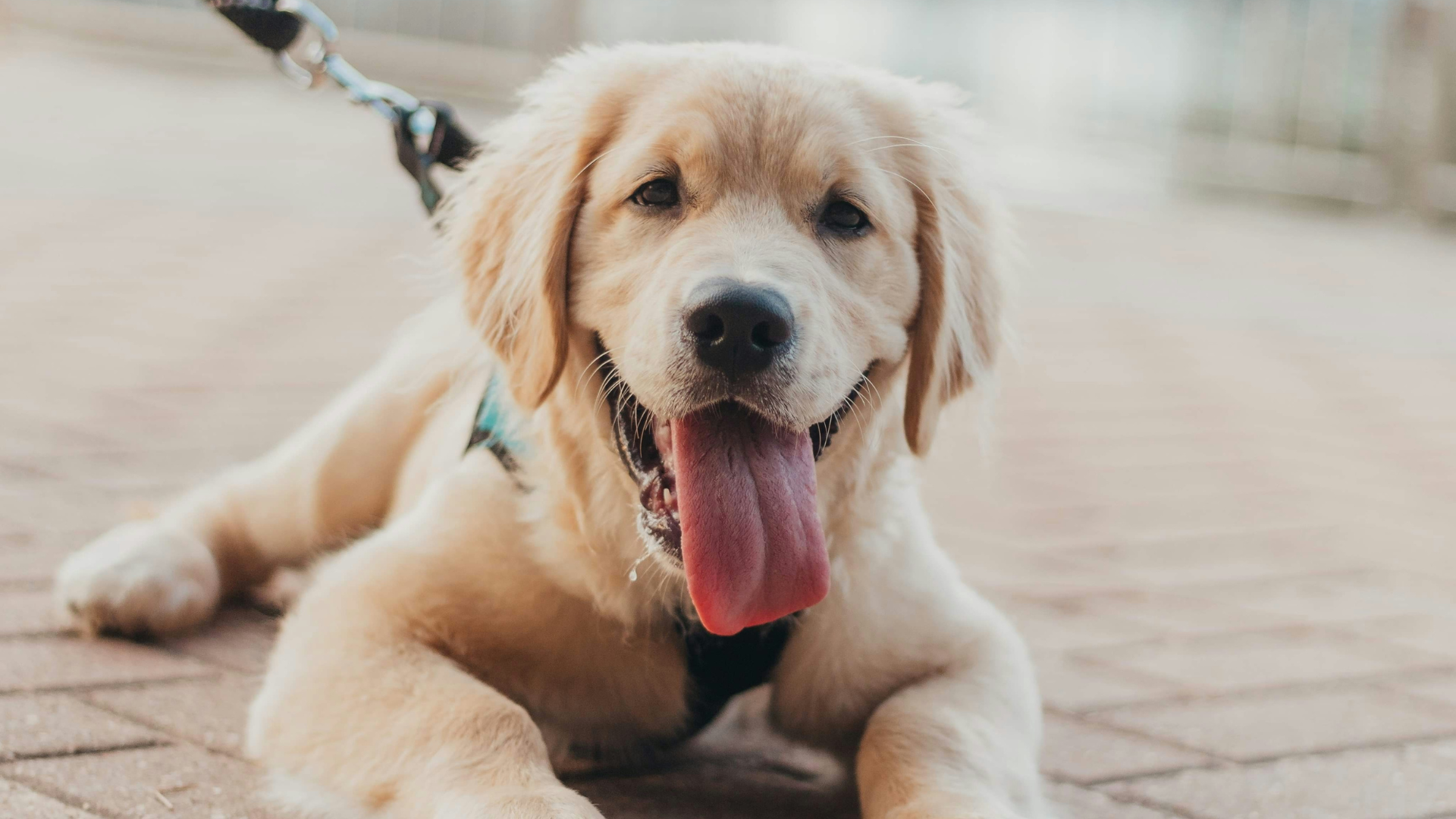
Image by Marissa Deck on Unsplash
This guide explains what parvovirus is, how it spreads, the symptoms to watch for, how it is treated, and how vaccination helps protect your dog. Knowing the signs of parvo in dogs and acting quickly is one of the most powerful things you can do for your dog’s health.
What Is Canine Parvovirus?
Canine parvovirus is a highly contagious viral infection that primarily affects rapidly dividing cells and can cause severe gastrointestinal illness, particularly in susceptible puppies. The disease can become serious quickly, which is why early recognition and rapid veterinary intervention matter so much. Puppies and inadequately vaccinated dogs are at greater risk, and understanding the nature of this dog illness is the first step in protecting your companion from parvo in dogs.
Why Is Parvo Particularly Dangerous for Puppies?
Young puppies are especially vulnerable because their immune systems are still developing and, if their vaccination course is not complete, they may not yet have full protection. Puppy parvo can progress rapidly, so any suspected symptoms in a young or unvaccinated puppy warrant immediate veterinary contact rather than a wait-and-see approach.
Which Dogs Are Most at Risk?
Age, vaccination status and potential exposure are the key risk factors. Puppies who have not completed their vaccination course and inadequately vaccinated adult dogs are most at risk, as are dogs with known exposure to infected environments. Knowing where your dog sits on this scale helps you make informed decisions about their safety.
Can Adult Dogs Get Parvo?
Yes. Parvovirus is not exclusively a puppy disease. Susceptible adult dogs - particularly those who are unvaccinated or whose immunity has lapsed - can also become infected. Keeping vaccinations current matters at every stage of life, not just in puppyhood.
How Does Parvo Spread in Dogs?
Canine parvovirus spreads primarily through contact with infected faeces and contaminated environments or objects. This means dogs do not necessarily need direct contact with an infected dog to be exposed - the virus can travel on footwear, equipment and shared ground. Understanding how parvo spreads is central to preventing parvo and protecting susceptible puppies.
Contact With Infected Faeces
Infected faecal material is a major route of transmission. A susceptible dog can be exposed by sniffing, licking or walking through contaminated areas, which is why careful exposure management matters so much for young puppies.
Contaminated Environments and Objects
Contaminated ground, equipment, footwear and other objects can all carry the virus. Because parvovirus is environmentally resilient, indirect exposure is a real risk - a dog can encounter the virus without ever meeting the dog that left it behind.
Can Dogs Catch Parvo Without Meeting an Infected Dog?
Yes. Indirect environmental exposure can occur. A dog can pick up parvovirus from a contaminated park, footpath or object without any direct contact with an infected dog. This is why vaccination and thoughtful exposure management both matter.
How Long Can Parvo Survive in the Environment?
Parvovirus is notably resilient and can remain infectious in the environment for extended periods, which is part of what makes it so challenging. Rather than relying on a single figure, follow your veterinarian’s guidance on appropriate cleaning, disinfection and exposure management - they can advise on products and practices that are effective against this tough virus.
What Are the Symptoms of Parvo in Dogs?
Parvo symptoms can develop and worsen quickly. Vomiting, diarrhoea, lethargy and appetite loss are among the important warning signs, and dog vomiting and diarrhoea together can lead to rapid dehydration. These symptoms overlap with other illnesses and are not diagnostic on their own, so immediate veterinary contact is essential whenever parvo is suspected.
Vomiting
Repeated vomiting is concerning, particularly in a young or unvaccinated puppy. It contributes to fluid loss and can signal significant gastrointestinal illness, so it should prompt a call to your vet without delay.
Severe Diarrhoea
Diarrhoea can contribute to rapid fluid loss and deterioration. When it is severe, frequent or accompanied by vomiting, the risk of dehydration rises sharply - making veterinary treatment particularly important.
Lethargy and Weakness
A significant reduction in normal energy or responsiveness - a puppy who is suddenly quiet, withdrawn or unable to settle - is a warning sign worth taking seriously, especially alongside gastrointestinal symptoms.
Loss of Appetite
Refusing food alongside vomiting and diarrhoea can be a sign of significant illness. In a young puppy especially, not eating combined with fluid loss is a reason to contact your vet promptly.
Dehydration and Rapid Deterioration
Fluid loss from vomiting and diarrhoea can lead to dehydration and rapid deterioration, which is why professional veterinary treatment - including supportive fluid therapy - is so important. This is not something that can be safely managed at home.
What Should You Do if You Think Your Dog Has Parvo?
Act quickly and follow a clear plan: contact a veterinarian immediately, keep the dog separated from other dogs, and follow the clinic’s instructions before arriving to minimise the risk of spreading infection. Suspected parvo in dogs should never be managed at home - prompt, professional care gives your dog the best chance.
Call Your Vet Before Arriving
Ring ahead before you go. Letting the clinic know in advance helps them manage infection risk to other patients - they may ask you to use a separate entrance or follow specific protocols to keep everyone safe.
Keep Your Dog Away From Other Dogs
Isolation is important while parvovirus is suspected. Keep your dog away from other dogs and shared spaces to reduce the risk of transmission, and follow your vet’s guidance on movement and hygiene.
Don’t Try to Treat Parvo at Home
Severe dehydration and other complications require professional veterinary treatment. There is no safe home remedy for parvo - intensive supportive care from a veterinary team is what gives affected dogs the best chance of recovery.
How Is Parvo Treated?
There is no simple home cure for parvovirus. Parvo treatment focuses on intensive supportive care - managing dehydration and symptoms, and monitoring for complications while the dog’s immune system responds to the infection. Veterinary hospitals provide the fluid therapy, medication and round-the-clock monitoring that severe cases require. With prompt, appropriate care, many dogs can recover - which is exactly why acting quickly matters so much. The earlier treatment begins, the better the outlook tends to be.
How Can You Prevent Parvo in Dogs?
Appropriate vaccination is the cornerstone of preventing canine parvovirus, supported by careful exposure management for puppies that have not completed their vaccination course. Dog vaccination gives your puppy the strongest foundation of protection, and sensible hygiene adds another layer of defence.
Puppy Vaccination
Puppies require an appropriate vaccination course to develop protection against parvovirus. Following the schedule recommended by your veterinarian ensures your puppy builds immunity at the right pace - and completing the full course is what provides the strongest protection.
Booster Vaccinations
Ongoing vaccination should follow the schedule recommended by your dog’s veterinarian. Booster vaccinations help maintain immunity over time, so keeping up with your dog’s schedule is a simple, powerful way to protect them throughout life.
Protecting Puppies Before Vaccination Is Complete
Until a puppy’s vaccination course is complete, follow veterinary advice about exposure to environments where unvaccinated or unknown dogs may have been. This might mean keeping walks to lower-risk areas and avoiding high-traffic dog spaces - a small, temporary precaution with a big payoff.
For more advice, check out our helpful guide on keeping your puppy healthy before their vaccinations.
Hygiene After Possible Parvo Exposure
Because parvovirus is environmentally resilient, cleaning and disinfection require appropriate products and veterinary guidance. Standard household cleaners may not be enough, so ask your vet about effective disinfectants and practices if you are concerned about possible exposure in your home or yard.
Protect Your Dog With the Power of Knowledge
Knowing the signs of parvo and acting quickly is one of the most loving things you can do for your dog. Talk to your vet about keeping your dog’s vaccinations current, and the potential dangers of not vaccinating your dog.